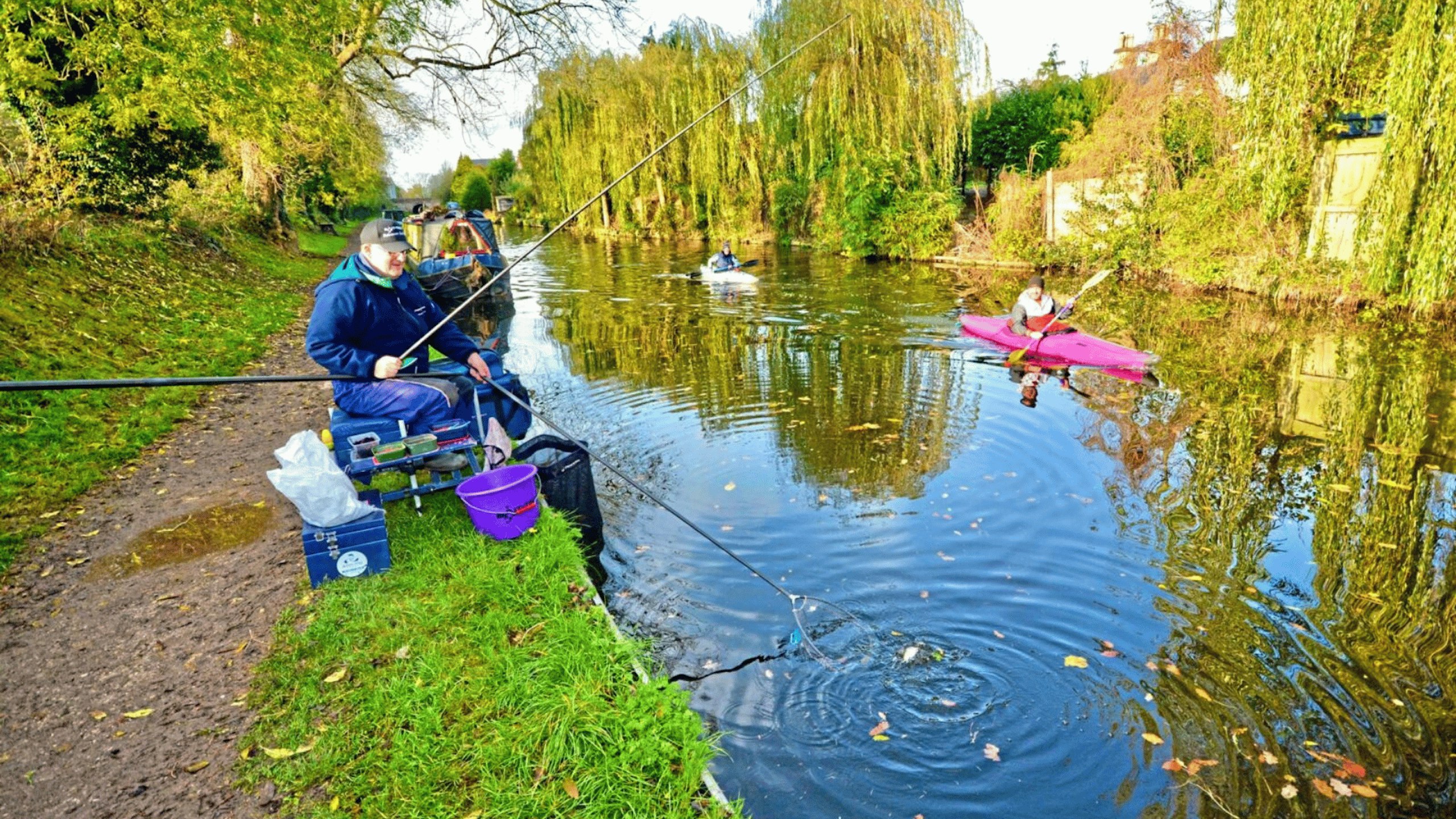
Canals are far more diverse fisheries than many people give them credit for, and a wide range of species are likely to be milling in and around your swim on any given day.
Roach, perch, bream, gudgeon and even chub could be lurking beneath the surface, but it’s one thing having them present, and quite another to tempt them on to the hook!
As with most forms of fishing, a carefully considered feeding plan is the bedrock of a successful session, and when it comes to canals, you need to come armed with plenty of different offerings.
That doesn’t mean it needs to be a costly affair, though, as small quantities of each will often suffice.
Darren Massey is one of the nation’s most successful canal anglers, and he believes that consistent bites are entirely possible if you get things right from the start.
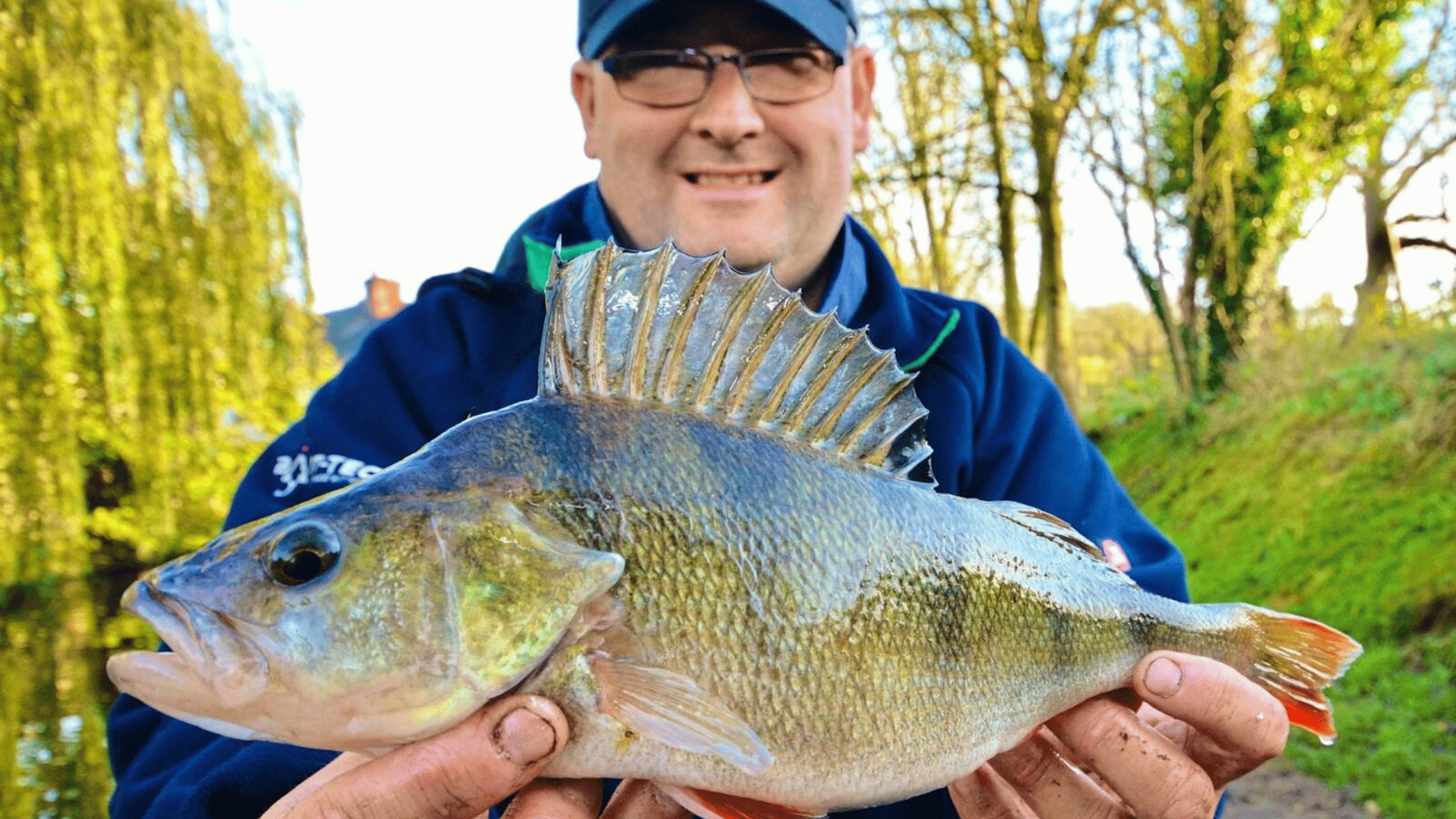
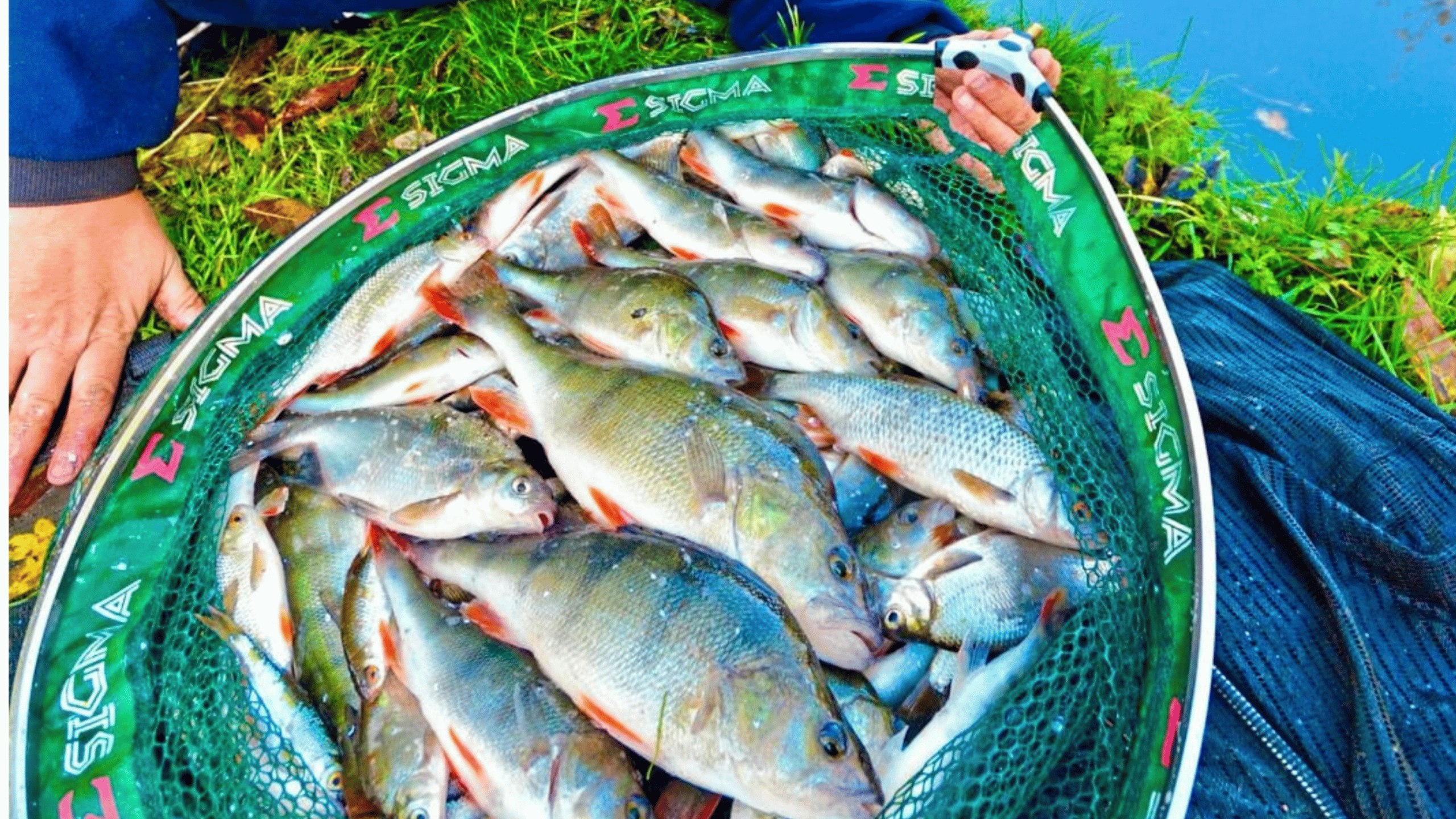
“Small fish are likely to make up the mainstay of your catch in an ‘average’ canal swim, but there is always the chance of action from bonus fish that will pull a little more elastic out,” explained Darren.
“But you must know how to feed the swim properly.
“To make this happen, I’ve developed a way of working that rarely fails in autumn. It all revolves around how you make use of your bait.”
Stage 1: Four wriggly winners!
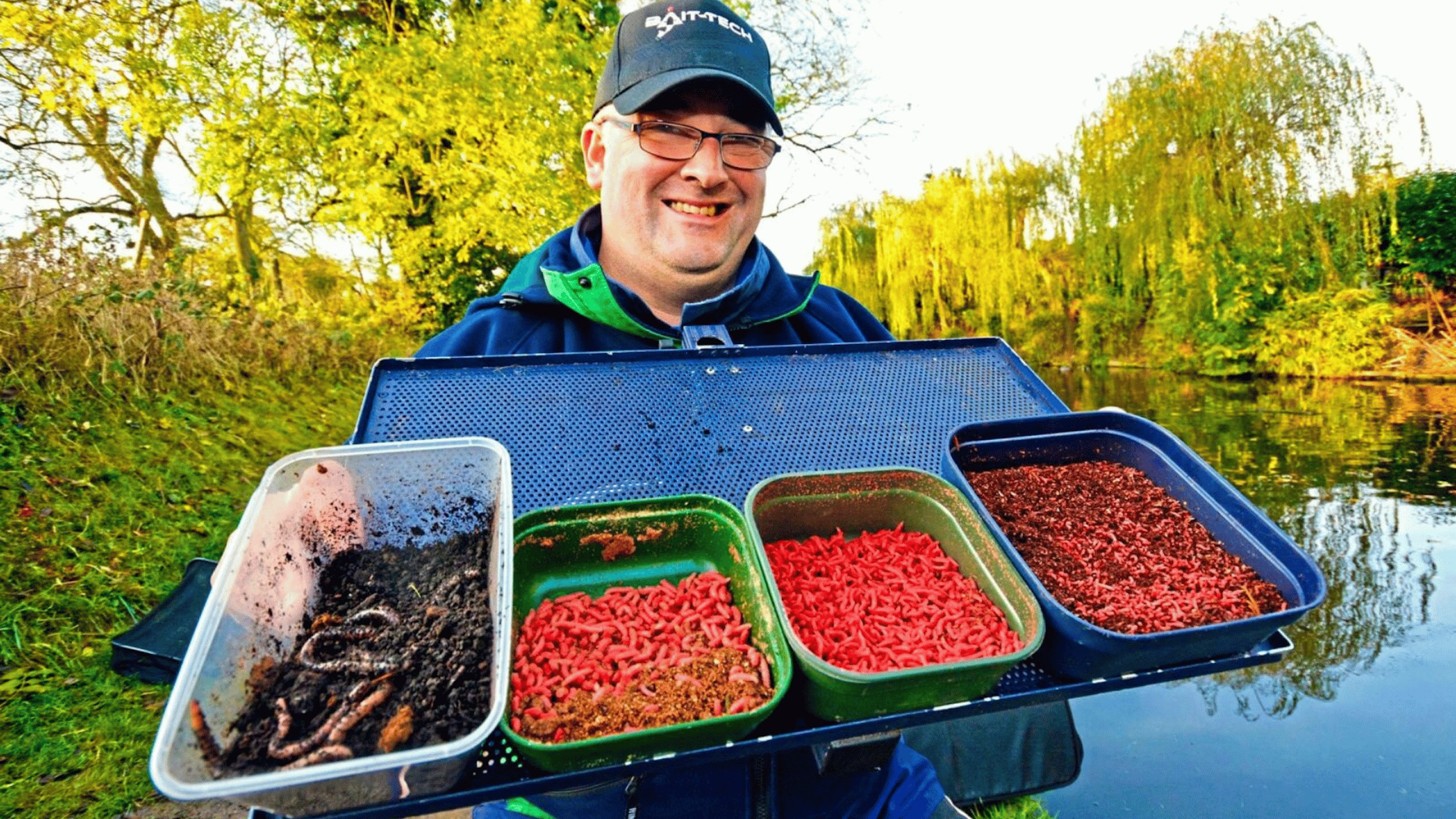
"The secret to catching all day on canals in autumn is having a range of live baits on your side tray. Worms, maggots, pinkies and squatts are all very effective, but each must be used in a certain way to get the most out of them.
“Worms are my go-to for the quality fish, and a lobworm head or a whole dendrobaena will appeal to quality perch and skimmers. The size of the bait makes it a selective way of fishing, giving you peace of mind that a good stamp will be on the other end when the float dips.
“Maggots are a good change bait if worms start to falter, or indeed don’t produce at all, and switching to a single maggot can help revive the peg. Feed around 10 grubs every couple of minutes over the same line you’ve fed worms on and you’re likely to soon be back on track.
“Pinkies and squatts are the ultimate small-fish combination, and using the former as a bright, stand-out hookbait while raining in the squatts via a catapult will soon get roach, perch and gudgeon interested.”
Stage 2: Target two zones
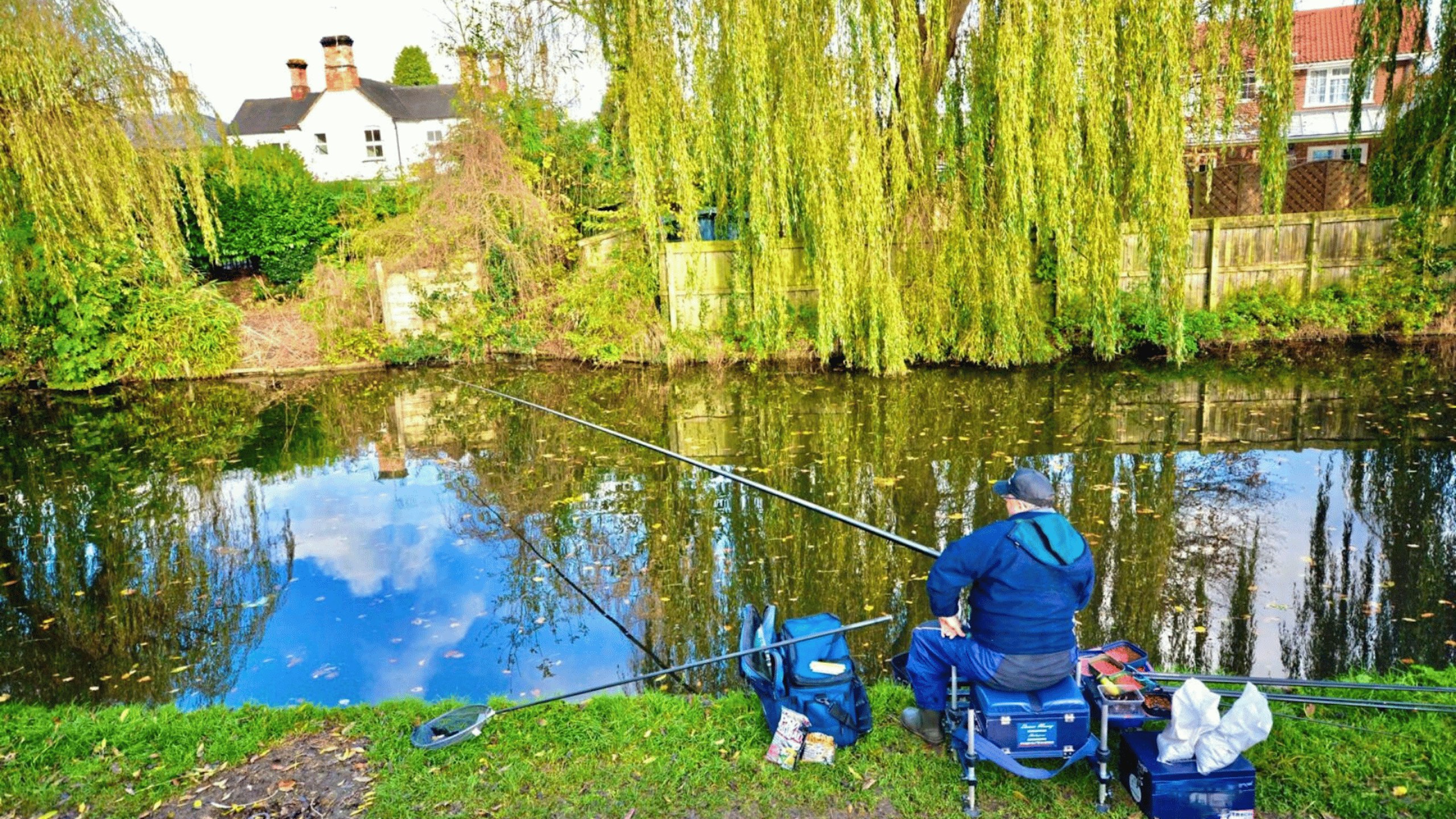
"I keep things simple by dividing my attention between just two lines. My big-fish line, with the maggots and worms, is down the middle in the deepest water. I always attack this on an angle to my left or right as skimmers and perch seem to settle better away from the commotion of where everything gets played and netted.
“My second line is for the small silvers. The squatts and pinkies are fished on a line out in front around three-quarters of the way across. This is where the bottom starts to slope up towards the far bank into shallower water, and this is where the silvers prefer to sit.
“The crucial element to all of this is keeping these lines well apart. If you have them too close together, big perch will become preoccupied on predating the small fish gorging on the squatts. This will spook the shoal and lead to spells where you can't get bites."
Stage 3: Fine-tune your feeding
"Mixing things up on the feeding front is important. On the big-fish line, I’ll start with a quarter of a cup of choppie, and top it up when bites tail off. Alongside this I’ll trickle maggots in, feeding 10 every few minutes.
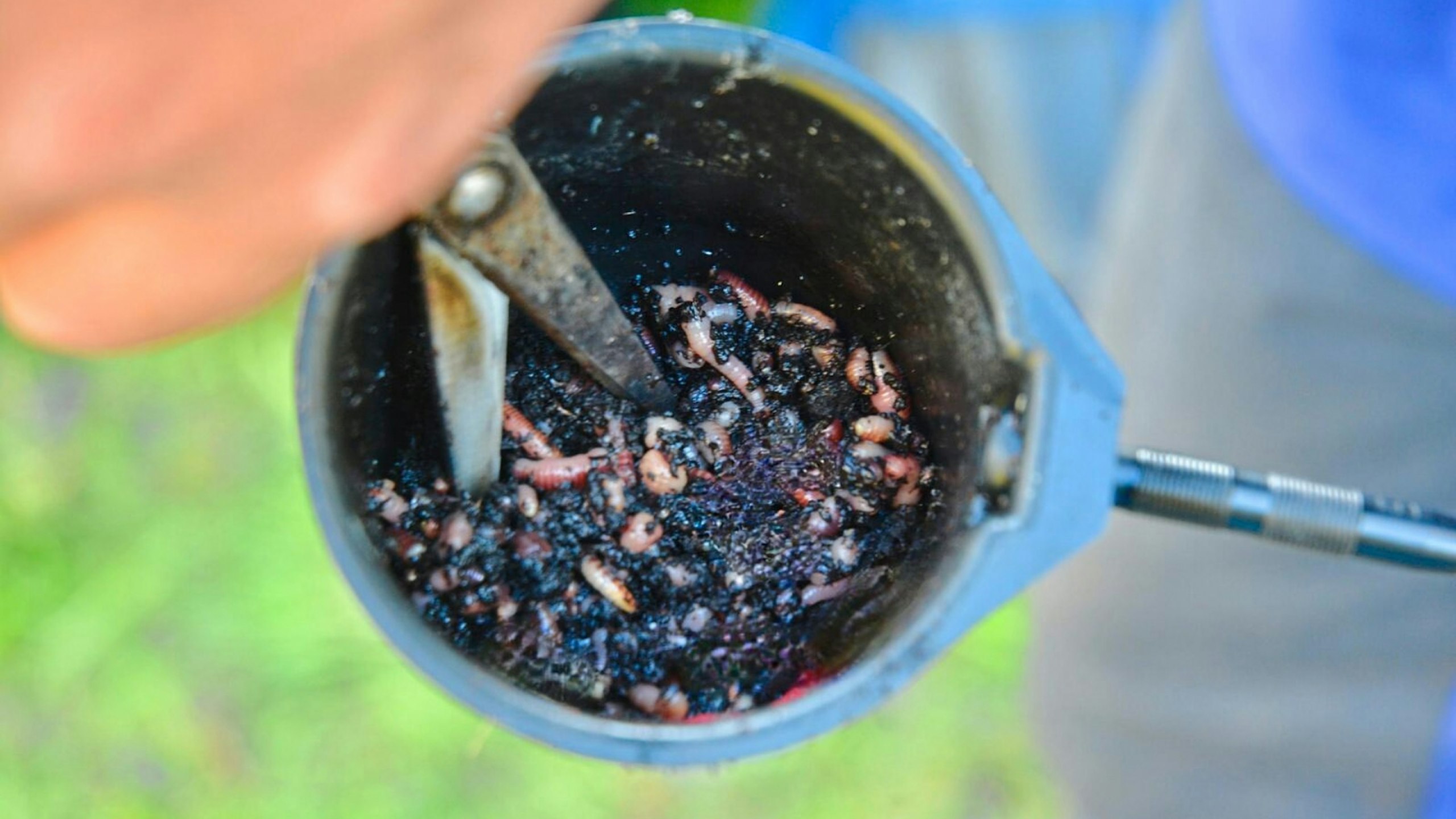
“Squatts are my main feed on the silvers line. They're small and have little food content, so won't overfeed the shoal. Introduce around 30 via a catapult every few minutes.
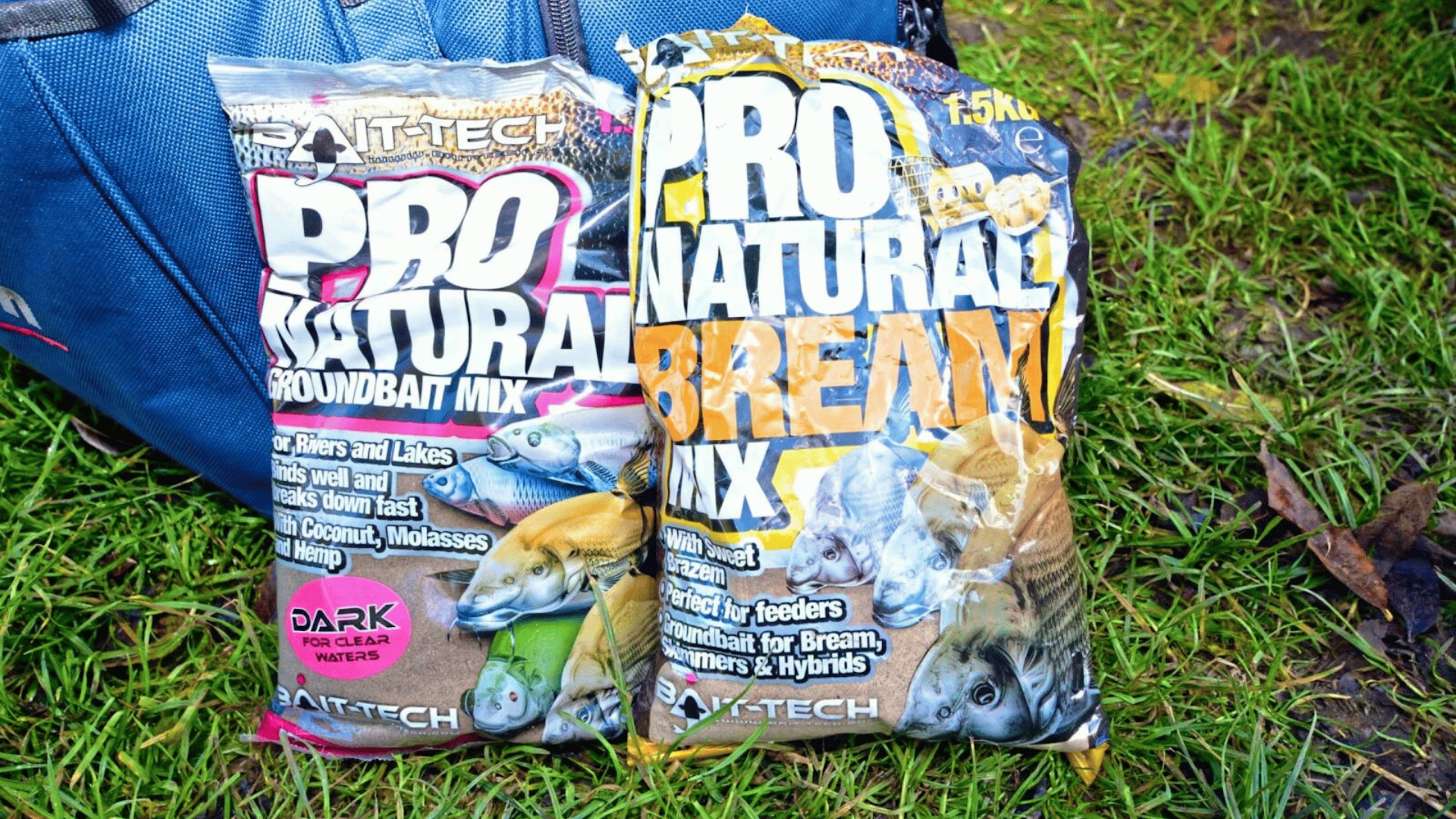
“Drop your rig in around the feed area to see if there’s an area where the mainstay of the shoal is sat. A couple of balls of groundbait also go on this line at the start, and I use an even blend of Bait-Tech Pro Natural and Pro Natural Bream."
Stage 4: Cover all your options
"I always set up four rigs - two for the big fish, and two for silvers.
“Most of the bites will come on the bottom when targeting small fish, so I want to get my bait down quickly. I do this by using a slimline, carbon-stemmed 4x14 pattern with an olivette and a couple of small dropper shot.
“Every now and then you will get a run of missed bites, and the fish may have come off the deck briefly to intercept the feed. When this happens, switch over to a 4x10 rig with a strung-out shotting pattern to give a slower fall of the hookbait. Mainline on both is 0.10mm to a 0.08mm hooklength and a size 22 Kamasan B590 hook.
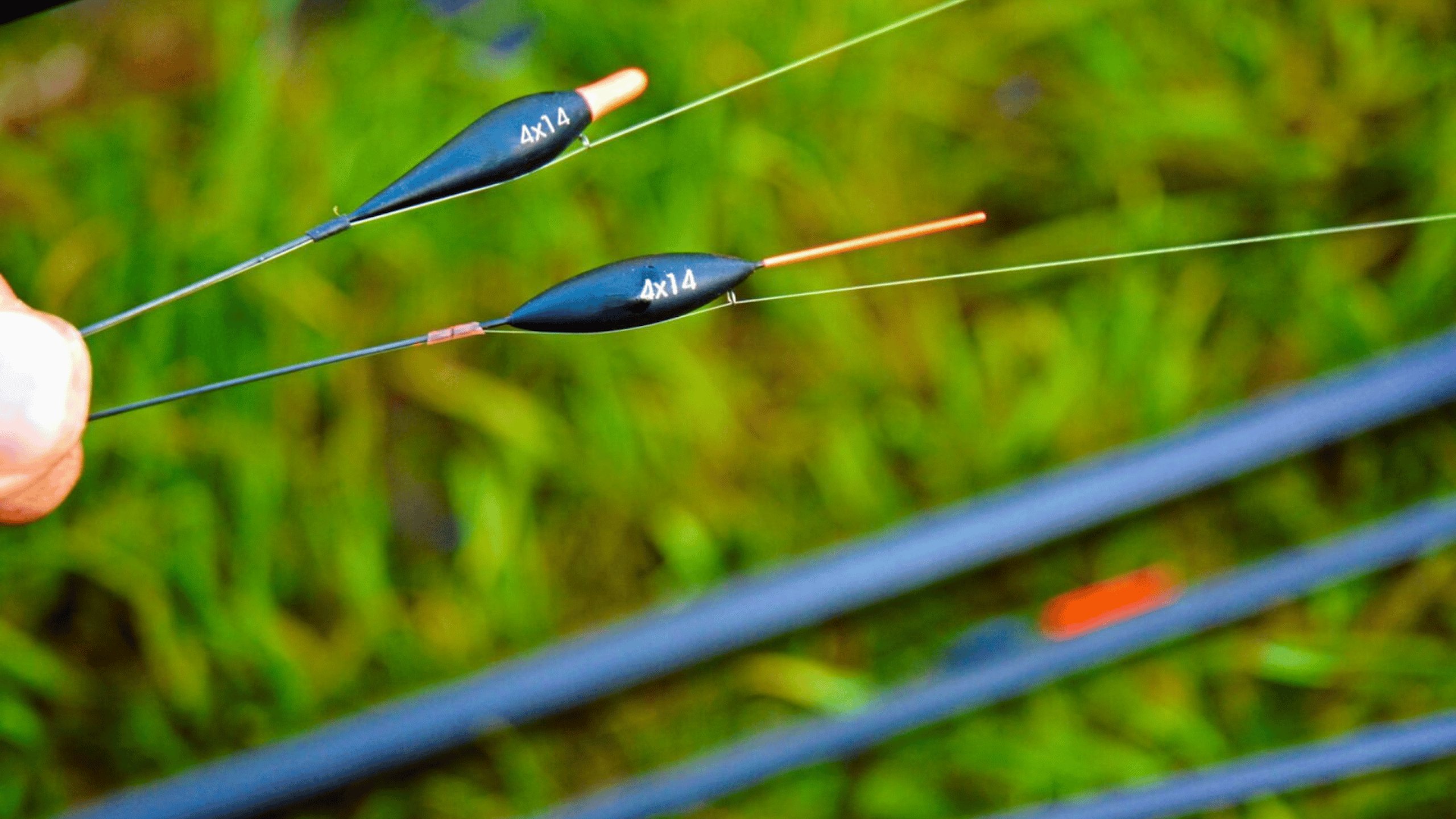
“A much more buoyant 4x14 pole float comes into the reckoning for big fish, and this is run on to 0.12mm mainline through to a size 16 Sensas 3405 Black for maggot, and a size 13 Kamasan B711 X-Strong for a bigger worm bait.
“I firmly believe that perch watch their prey move before attacking so, as a result, I string my shot out on the line so that the hookbait flutters down.”
Stage 5: Work with a long lash
"Boat traffic is starting to drop off on canals, and this is leading to the water becoming clearer.
“The fish are now spooked far more easily because they can detect what’s going on above the surface. Waving your pole-tip over their heads is a recipe for disaster, so I always make sure that I have 2ft-3ft of line between tip and float, regardless of which rig I am using.
“This allows you to have a decent amount of separation so that fish don’t latch on to your presence.
“Make sure you always maintain a tight line, because allowing any slack to develop is a sure-fire recipe for missing bites.”