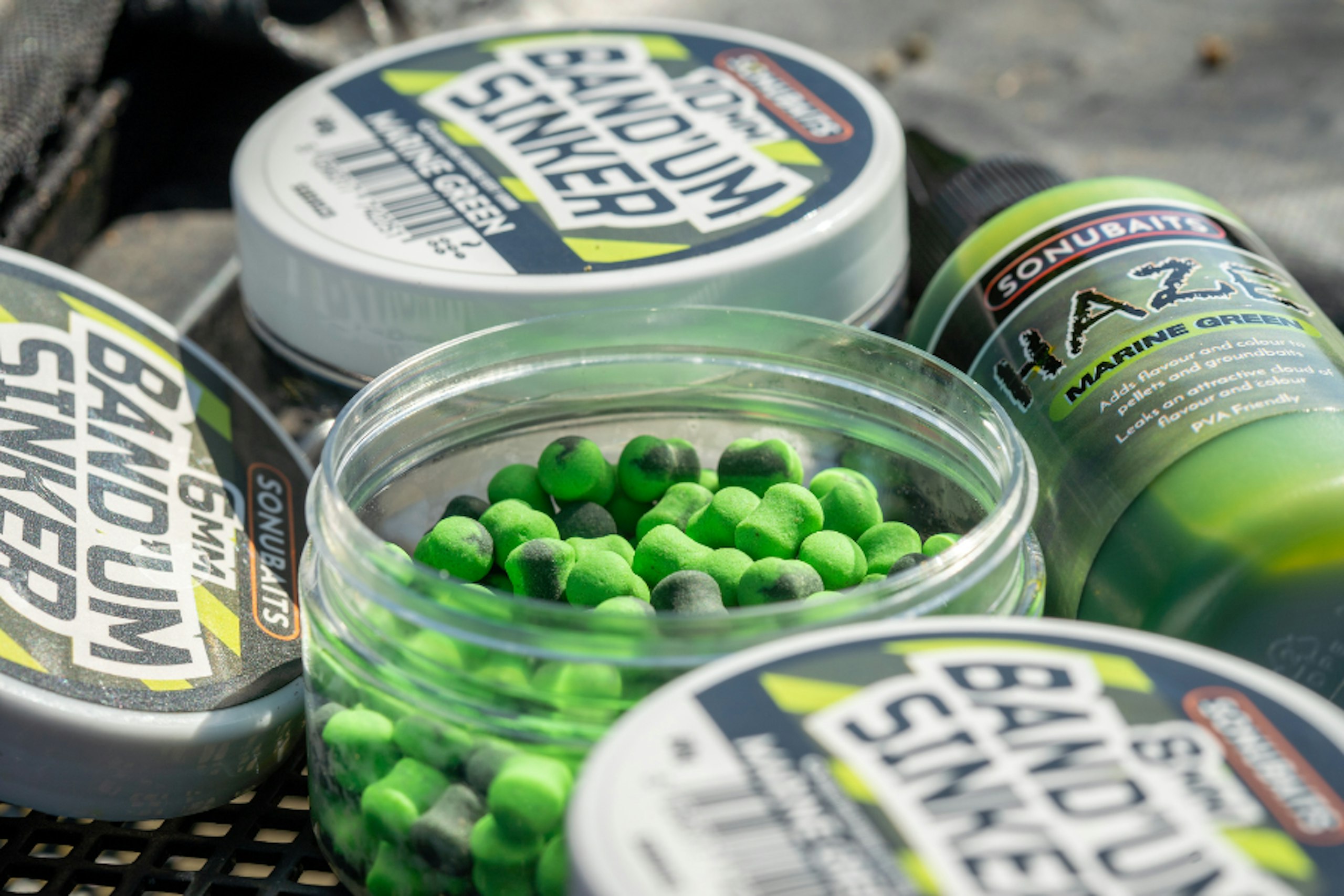
If you’re anything like me, you’ve got tubs full of hookbaits in every colour going. Wafters, hard pellets, dumbbells, mini boilies, pop-ups, the lot. The question is how many of them ever get a proper chance. Most anglers end up relying on one or two baits they trust, and that’s understandable. But on commercial venues, where fish see a constant stream of pellets and hookbaits, colour is one of the easiest edges you can control, especially on method, hybrid feeder and straight lead tactics where your hookbait is sitting right on top of your feed.
USE THE BEST SHORT FEEDER RODS FOR USING THE METHOD ON SMALL COMMERCIALS.
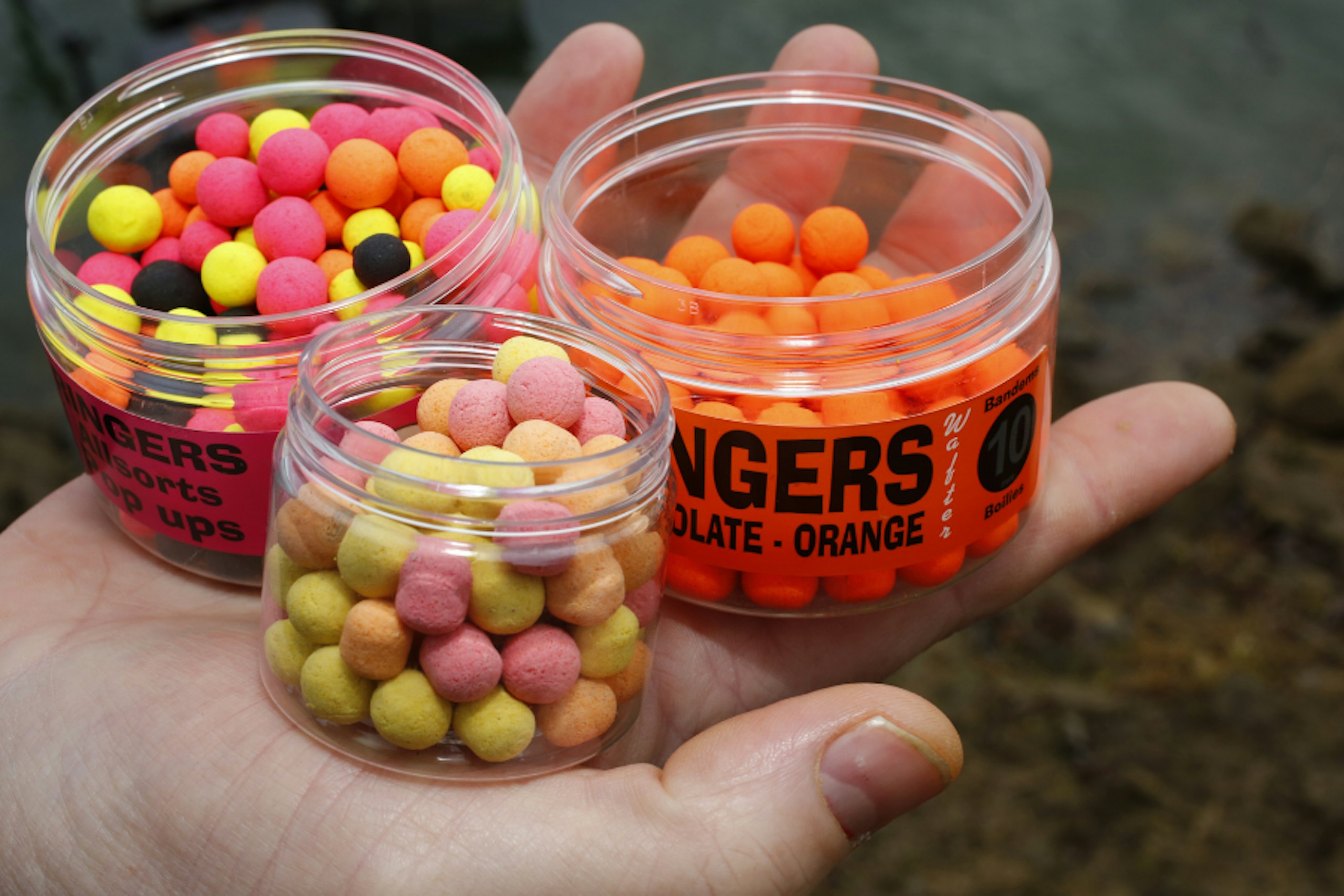
Clarity and contrast
Water clarity is a big part of it, but it’s not the only factor. The colour of your feed matters too. On a method feeder you’re usually fishing over a bed of groundbait or pellets, so your hookbait either needs to stand out clearly or blend in on purpose, depending on how pressured the fish are and how confidently they’re feeding. Think in terms of contrast. Before the first cast, ask yourself a simple question. Will a fish be able to pick that hookbait out quickly against what it’s sat on.
There’s also a common misunderstanding about coloured water. When the water is turbid, a bright bait is not automatically the answer. Often it’s the silhouette that matters, not how neon it looks in the tub. Likewise, in gin-clear winter water fish can see everything, which is why a hookbait that is visible but not shouty can outfish something that looks like a beacon.
I’ve got huge confidence in chocolate orange-style hookbaits because they’ve caught me piles of carp and bream, but I still don’t treat them as my default. Every commercial has its own quirks, and there are days when a yellow bait or a pink bait outfishes everything else. If I’m on a venue that’s new to me, I’ll start with a colour that suits the conditions and the feed I’m using, then I’ll change quickly if the bites tell me I’m wrong.
THE BEST CARP FEEDER RODS ARE PEFECT FOR FLINGING A METHOD TO AN ISLAND.
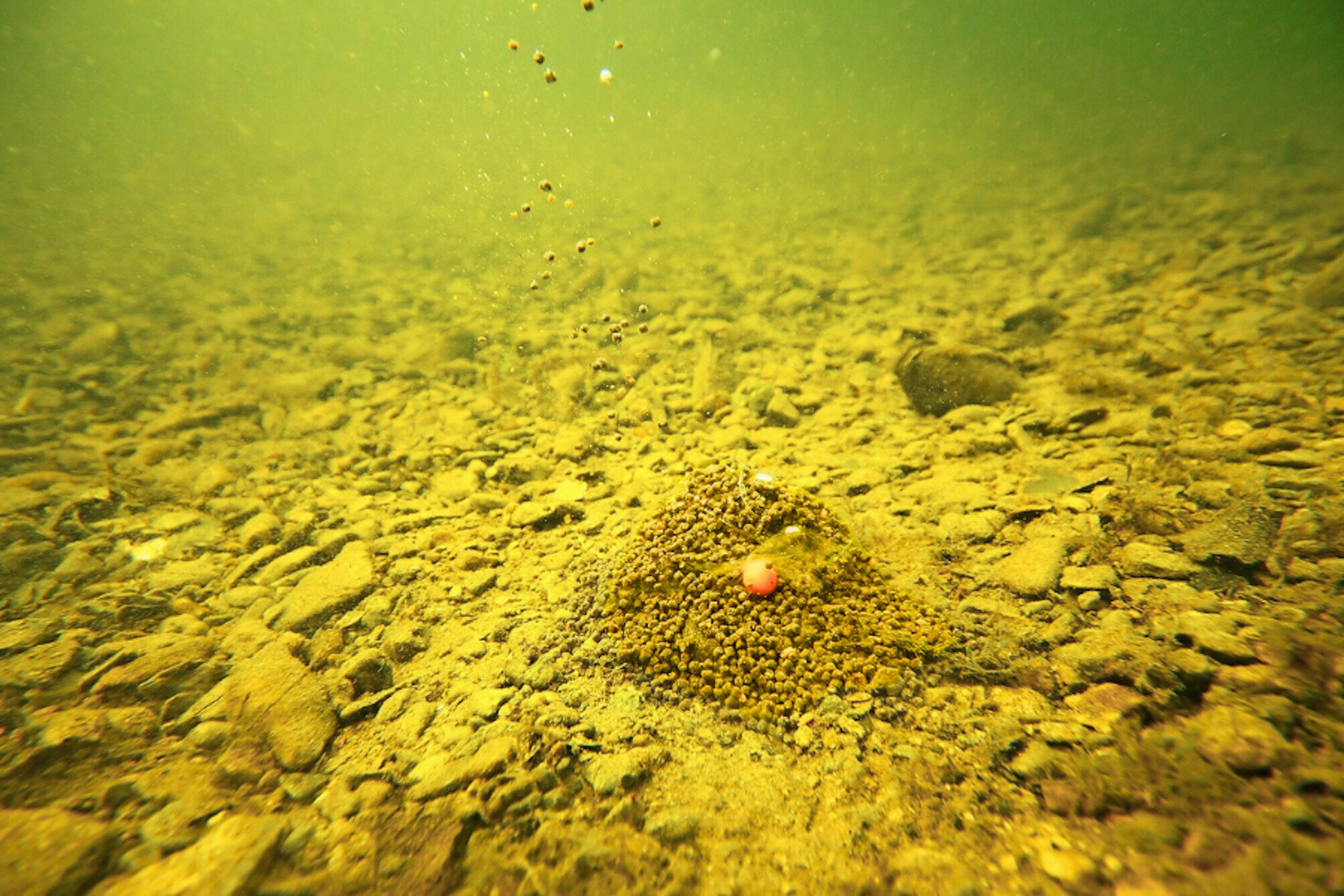
Fluoro yellows and whites
These are hard to beat in clear water and in winter, especially when you’re fishing a method or hybrid feeder accurately to a spot. Yellow is a classic for a reason. It’s highly visible, it gives fish a clear target, and it sits nicely over most mixes without looking out of place. On venues that see a lot of corn, it can be a real winner for that reason alone. White is similar, but sometimes it looks cleaner over darker fishmeal mixes or when the bottom has a darker tinge. If you’re getting liners, taps, or you can see fish fizzing but you’re not getting clean takes, a switch to a bright yellow or white wafter can be enough to turn interest into proper bites.
PREPARE YOUR PELLETS PERFECTLY FOR GOING ON A HYBRID FEEDER.
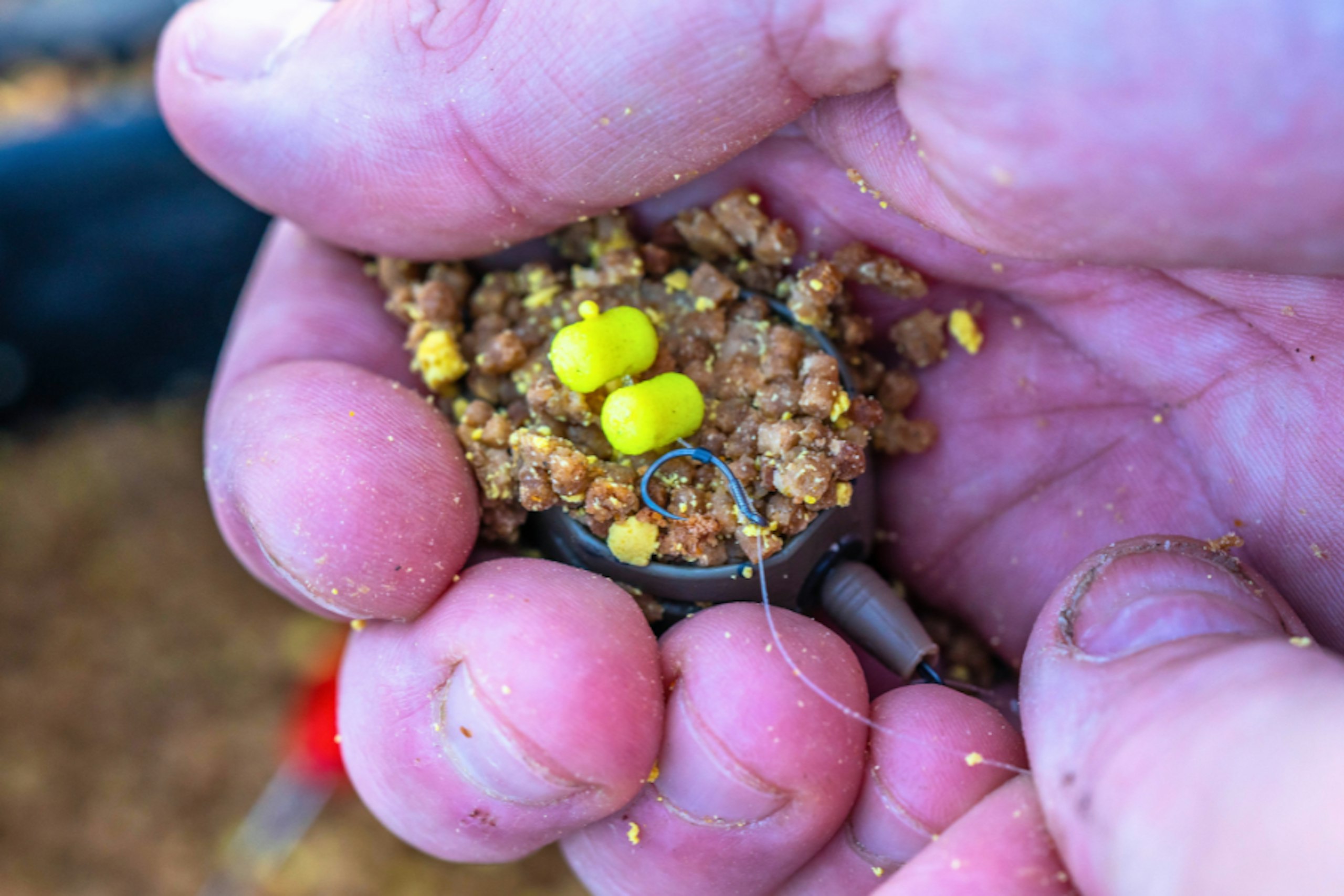
Fluoro pinks and oranges
These are often strongest when the water has colour or the light levels are low. They create a bold shape that fish can pick up quickly as they move across the feed. On commercials, pink and orange can be brilliant for carp, but they’re also a good option for F1s and bream on the feeder when you want something that stands out without changing your whole approach. If you’re fishing a straight lead with a small PVA bag or a tight little patch of feed, a vivid hookbait can help fish home in fast, which matters when bites are coming in short spells.
CHECK OUT THESE METHOD FEEDER FISHING TIPS.
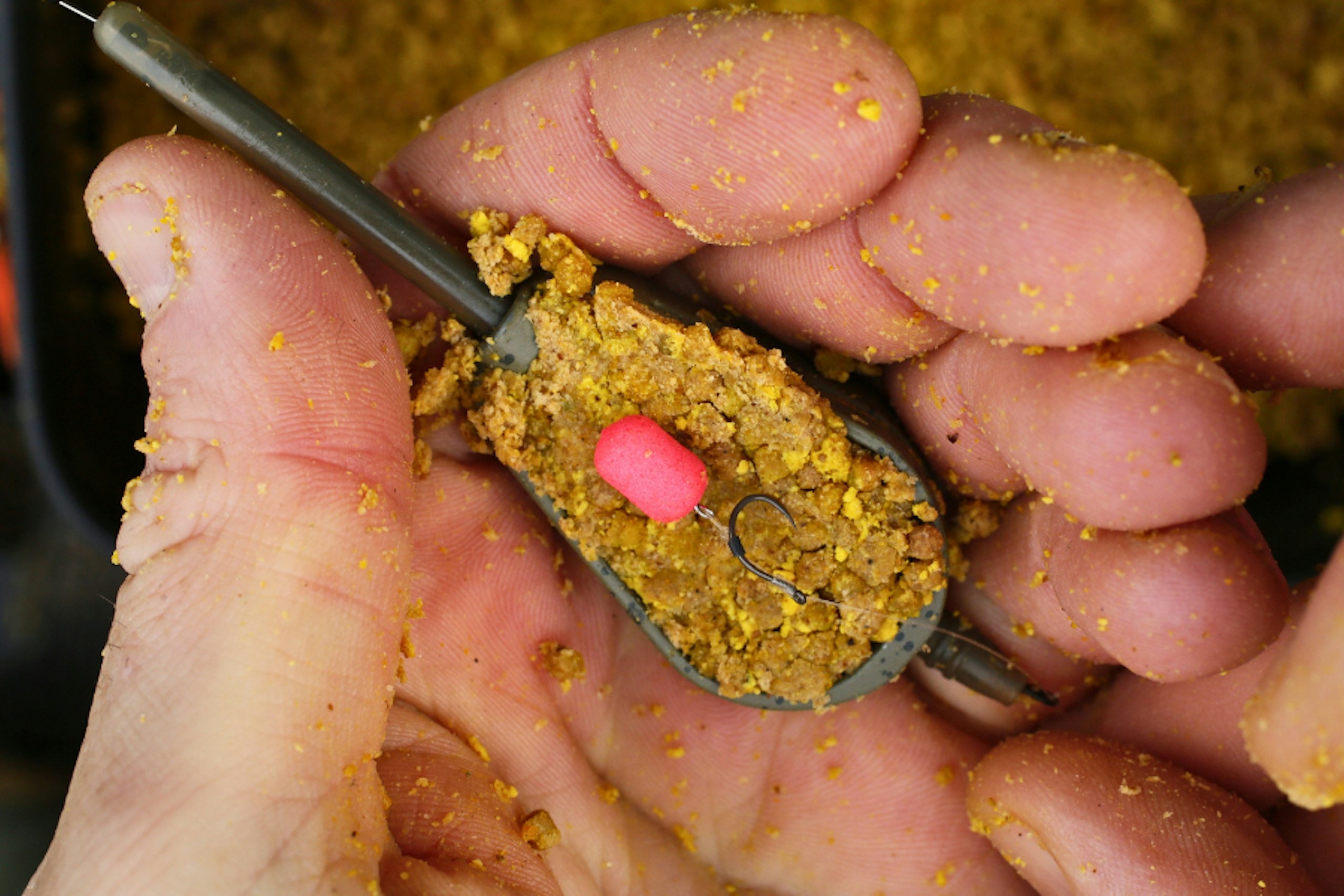
Natural browns
Natural colours come into their own when fish are confident and you’re feeding a lot of pellets, particularly in warmer water. On a method feeder, a plain pellet or brown wafter can match what you’re feeding, which can be a serious edge on pressured venues where bright hookbaits are the first thing fish learn to avoid. If you’re getting nudges and aborted takes, or you’ve caught a couple early and then it goes quiet, scaling back to a natural colour is often the first change I’ll make.
IN THIS ARTICLE SEE HOW THE METHOD CAN BE USED TO CATCH BREAM ON NATURAL VENUES.
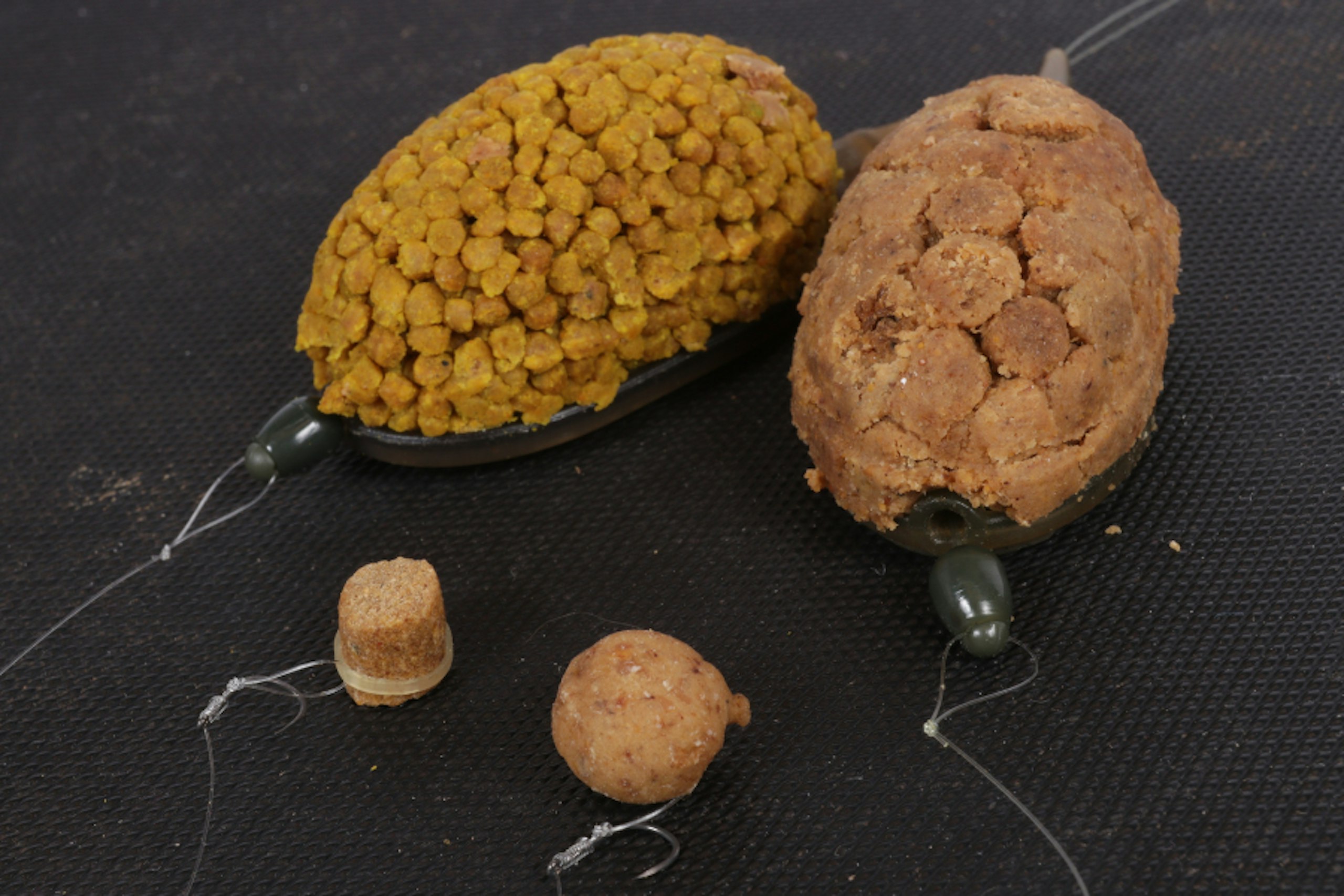
Washed-out colours
Washed-out hookbaits are a brilliant halfway house, and they’re made for pressured commercials and clear winter water. They still show up, but they don’t scream at the fish. A washed-out yellow wafter is a favourite because it keeps that visibility benefit, but it looks more like something that’s been in the swim a while rather than a fresh neon bait dropped on a dinner plate. When bites are delicate and fish are having a proper look before they take, washed-out colours can be the difference between constant liners and a steady run of proper bites.
ALWAYS CHOOSE THE RIGHT FEEDER FOR FISHING WITH THIS HELPFUL GUIDE.
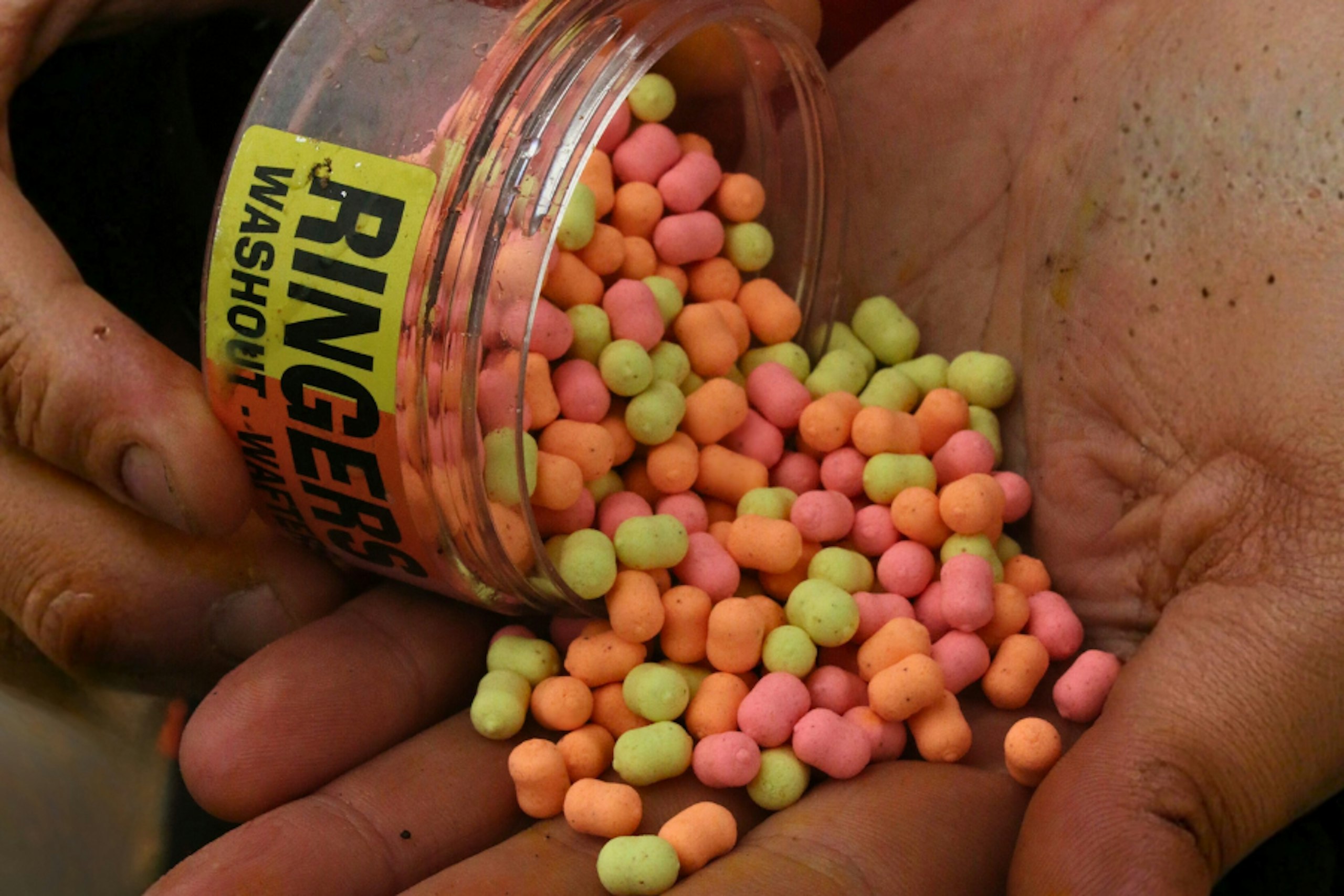
Ring the changes
The main thing is to treat colour as a starting point, not a rule. On method and hybrid you can test quickly because you’re recasting regularly. Give a colour a fair spell, then change with intent. If you’re getting signs but the swim is stalling, change the hookbait colour before you change the whole rig. If you’ve had no signs at all, go for maximum contrast and give fish something they can find.
And don’t ignore the oddballs in the bag. That bright green hookbait you’ve not tried for months might be the perfect standout colour on a venue where everyone else is fishing yellow, pink and white. On commercials, being different in the right way is often what buys you the next bite.
FIND THE BEST HYBRID STYLE FEEDERS IN THIS BUYERS GUIDE.