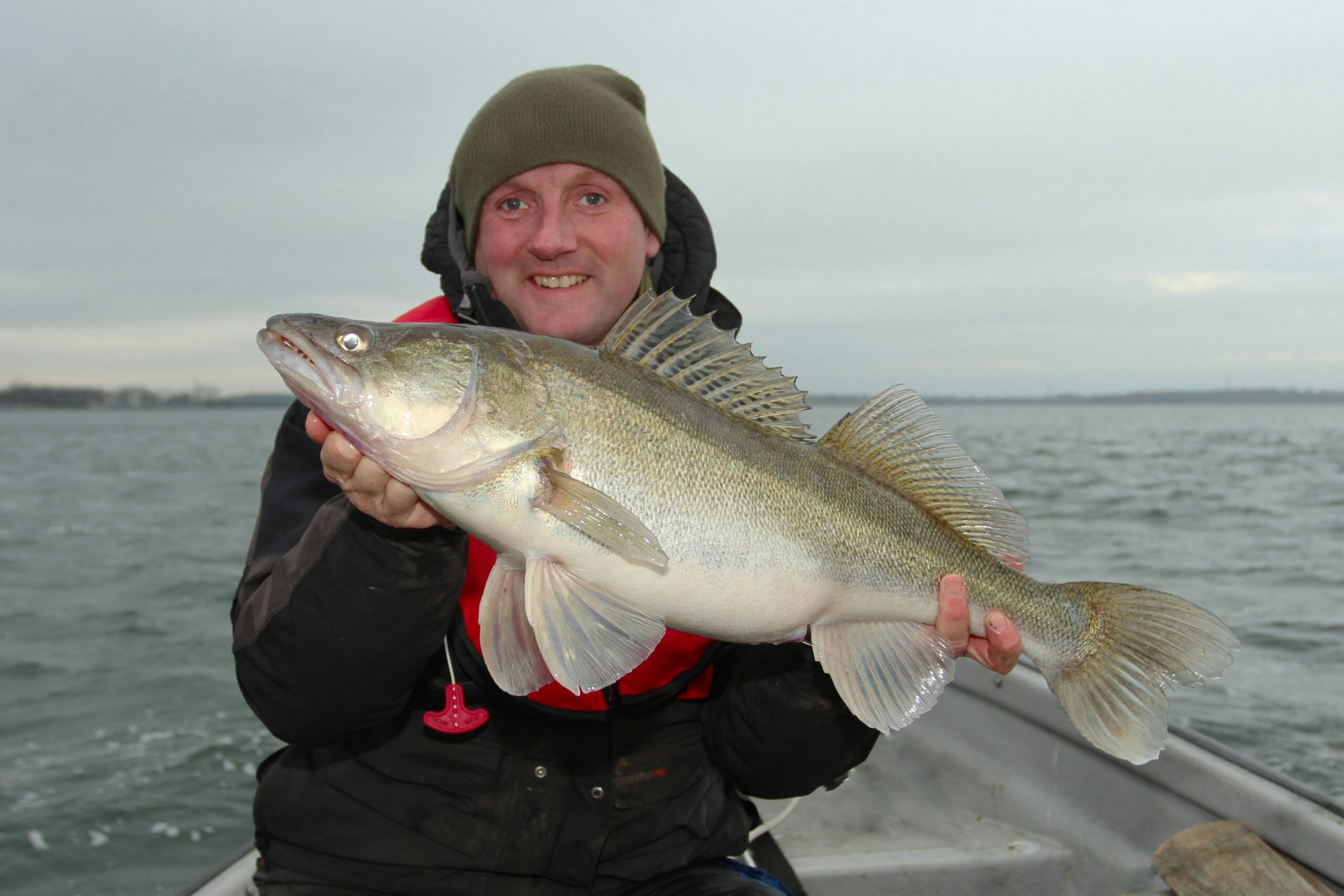
If you are interested in the cutting edge of predator fishing, then the pursuit of zander is where it’s at.
These exotic fish have, over the last few decades, become more widespread and today can be found in a wide range of different environments – from rivers and canals, to lakes, and right up to our largest reservoirs.
Zander also behave very differently to perch and pike. Yes, tactics for our native predators will catch zander, but there is so much more that we are learning about zeds that set them apart.
HEAD TO ONE OF THESE VENUES TO CATCH A ZANDER...
Deadbaits
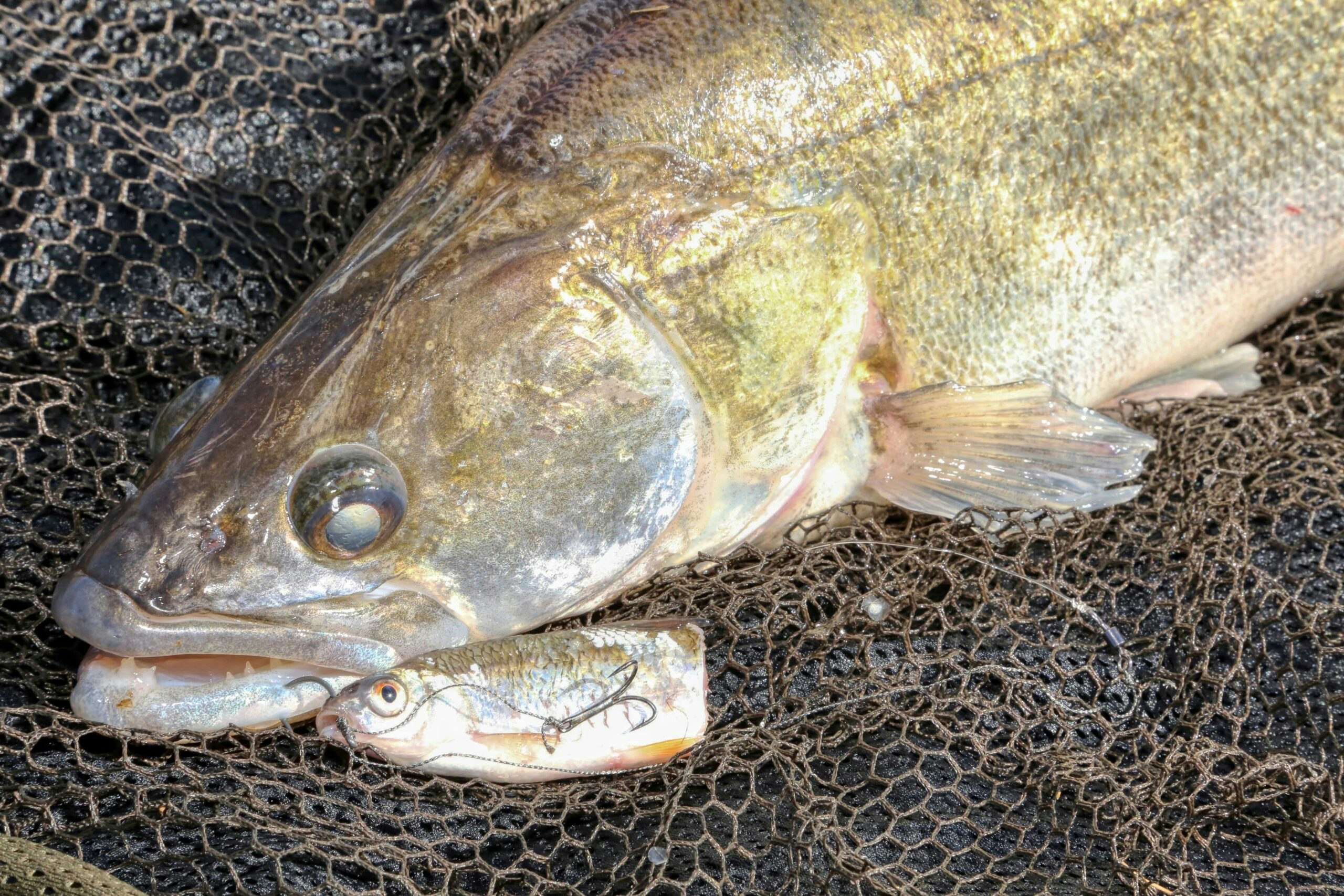
As with so many things in zander fishing, there is a long-held belief that freshwater deadbaits, as fresh as possible, are the best offerings. I know anglers who will go as far as to use only rudd or gudgeon as their go-to baits.
I am less picky, and will happily use shop-bought roach. I have caught plenty of zander on smelts and sardines on venues where freshwater baits are outlawed.
Given their relatively small mouth gape, size does matter with zander baits. An offering around 4ins-6ins long is about right in most cases, but if you are missing bites then try a very small, or half, bait. Conversely, a larger bait can be selective for bigger zander, and is handy if there are a lot of small fish around.
Zander tend to ‘hit’ a bait at the head end and then move off before turning it. For this reason I normally hook a deadbait head-up the trace, with the top treble in the lip – the opposite direction to a pike bait. This will see you connecting with a lot more bites.
I’m not a ‘sit and wait’ zander angler, and have found that bites on deadbaits can often come within 30 minutes of casting out. Regular recasting to different areas of the swim, or moving swims completely, is generally much more productive than staying put.
CATCH YOUR FIRST ZANDER WITH OUR TOP FIVE TIPS...
Try lures
Zander are often very localised, although I don’t think they shoal up, they will aggregate around features, such as snags, changes in depth or flow. In lakes we also now know that they spend a lot of time in midwater, where the conditions are comfortable. Covering lots of water with lures is often the best way to find these hot spots, especially as they can be quite ephemeral – fish are not always present.
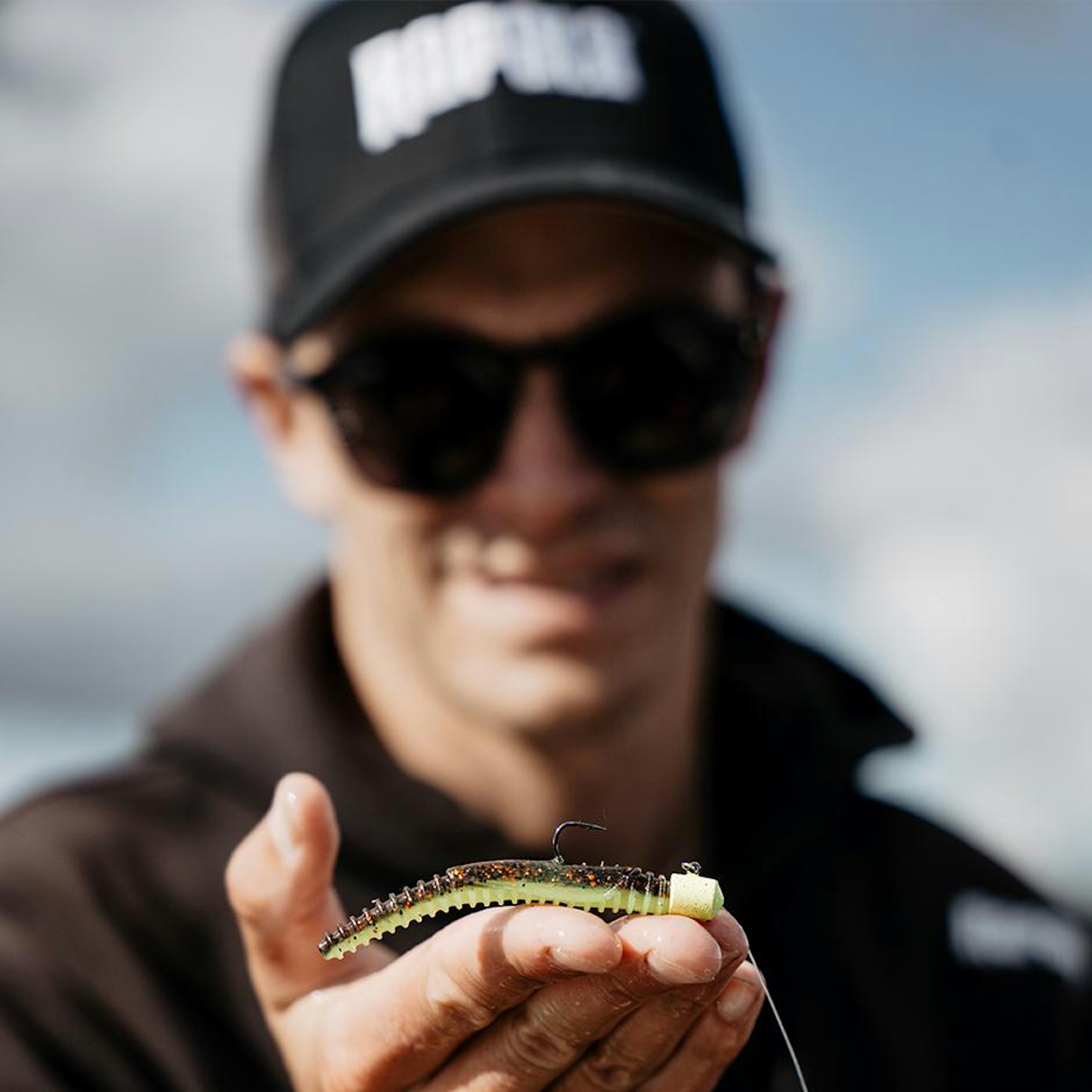
The problem we face is choosing not only the right lures, but the right lure fishing tactics for zander. Trends change quickly in lure fishing, but if you are trying lures for the first time then a few tried-and-tested patterns will set you off on the right foot. My top lure choice has to be a simple soft shad. As old as the hills, these lures can be fished at any depth by changing the jig head weight, and come in a huge range of sizes, suitable for any venue.
THE BEST LURE RODS ARE IDEAL FOR CATCHING ZANDER...
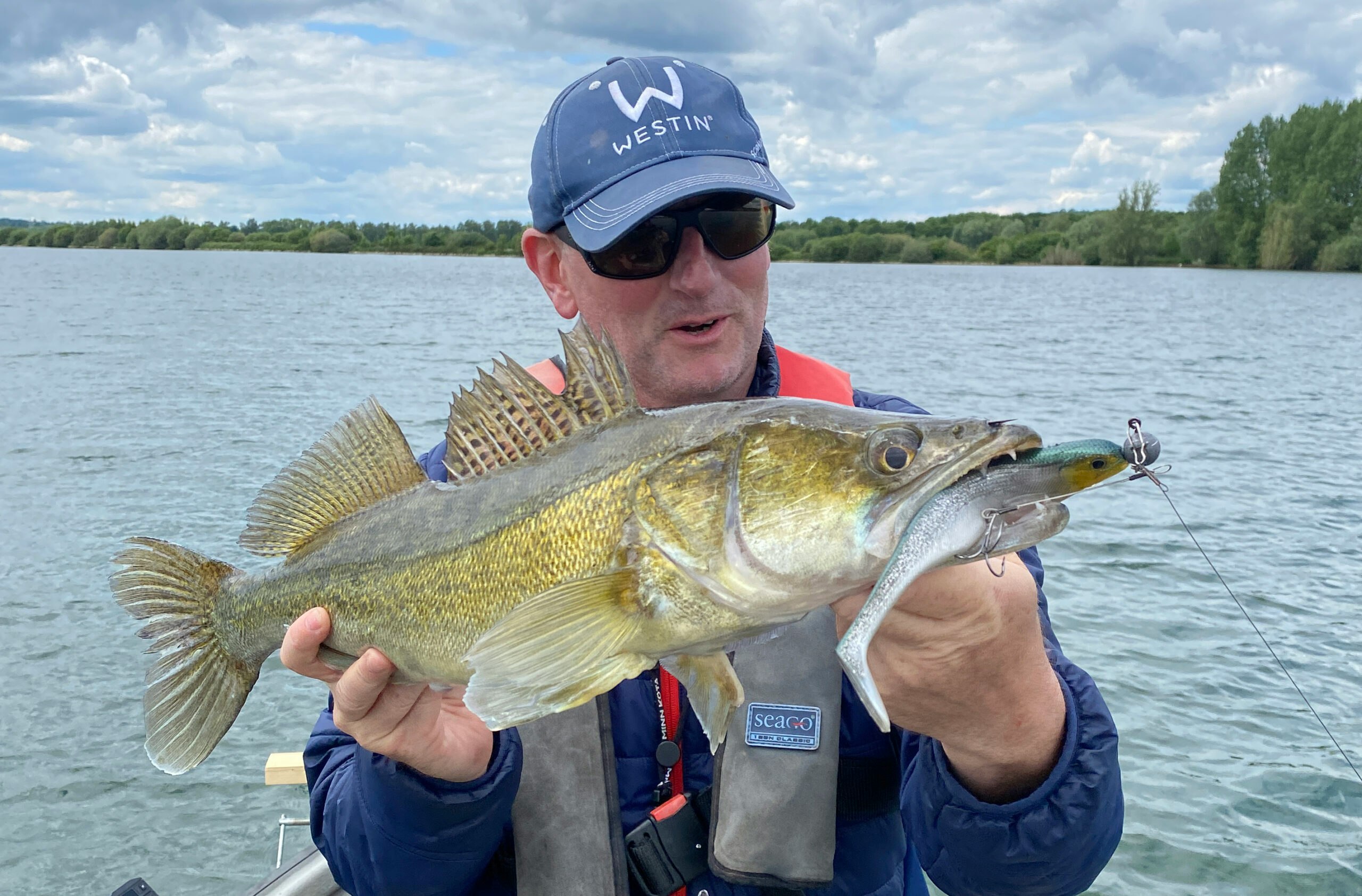
Critically, they can be fished both fast and slow – either way you will cover plenty of water and find those hot spots. If I am expecting zander in the 3lb-plus range then a 9cm to 12cm shad will be my go-to. For smaller fish, often found on canals, then it pays to go smaller.
An underused tactic for canal zander is the Ned rig. With these small lures we can slowly ‘drag and stop’ the lure along the bottom. This can be an unbeatable tactic, especially when the water is quite clear and cold, as the fish may not want to move very far.
Many anglers will be familiar with Ned rigs as well as my third choice, a drop shot rig, from their perch fishing, and the very same gear can be used for both species. With the drop shot we can exploit another quirk of zander – their love of striking a lure on the pause, as it sinks towards the bottom. Be sure to stop the retrieve for a few seconds every so often, and expect a sharp bite as you do so.
RIG YOU LURES CORRECTLY EVERYTIME, WITH HELP FROM THIS HANDY GUIDE...
Colour choice
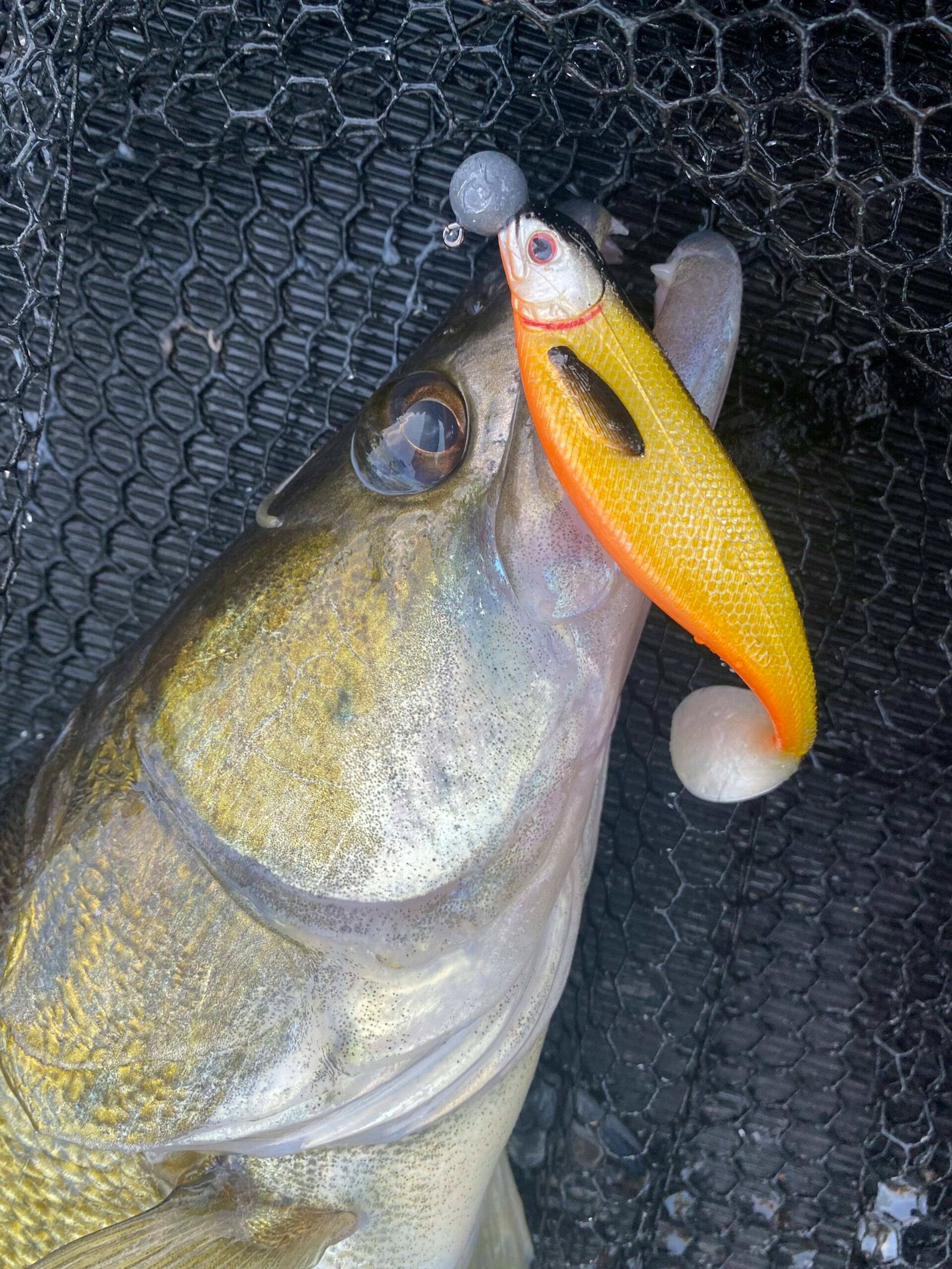
The other conundrum we face is lure colour, owing to the huge choice available. While all colours will catch zander, some are noticeably better than others. Once again, conditions such as clarity, depth and temperature can make a difference. My ‘starter for ten’ is a pattern called Official Roach – which looks nothing like a roach, but the zander seem to like it. The key part is the orange UV-reactive belly. In fact, experiments where I have removed the orange have significantly reduced catches.
You will probably find that other colour patterns may work better for you on the venues you fish, but I always gauge my results against Official Roach as the baseline. Similar patterns, with orange and brown colours, are often superior on shallow venues.
We can’t, of course, cover every nuance of catching zander in a single article. In fact, I could write a book on the subject, but you will have a solid start if you start with these tactics. From there, your baits and tactics will likely evolve, depending upon the venues you fish, as for zander no two venues, let alone two days, are ever the same.