- Home|
- Advice|
- Tackle
How to choose and fish lures for big autumn pike
Lure colour and shape are only half the story. Rapala and VMC-backed predator ace Dave Mower reveals why lure movement, travelling light, and working the margins hold the key to 30lb-plus pike.
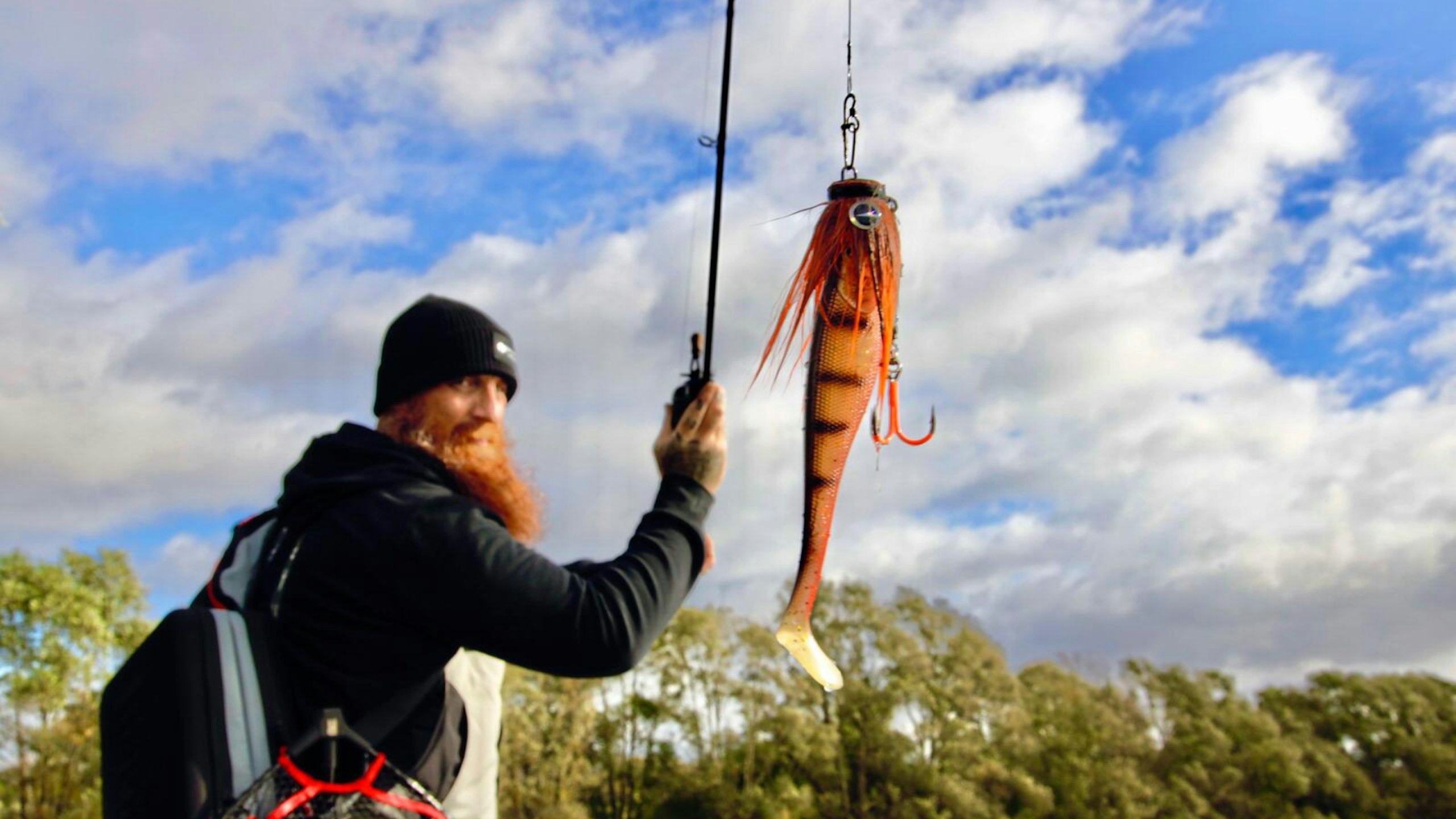
© Tony Grigorjevs
by Tony Grigorjevs |
Published on14th November 2026 at 12.00pm
Follow Angling Times on Google
Walk through the doors of a tackle shop and it’s impossible to miss the vibrant colours and intriguing shapes of the hundreds of lures on show.
Both these factors appear crucial when it comes to the lure’s ability to catch the attention of predatory species – but could newcomers to this arm of the sport be looking at things too simplistically?
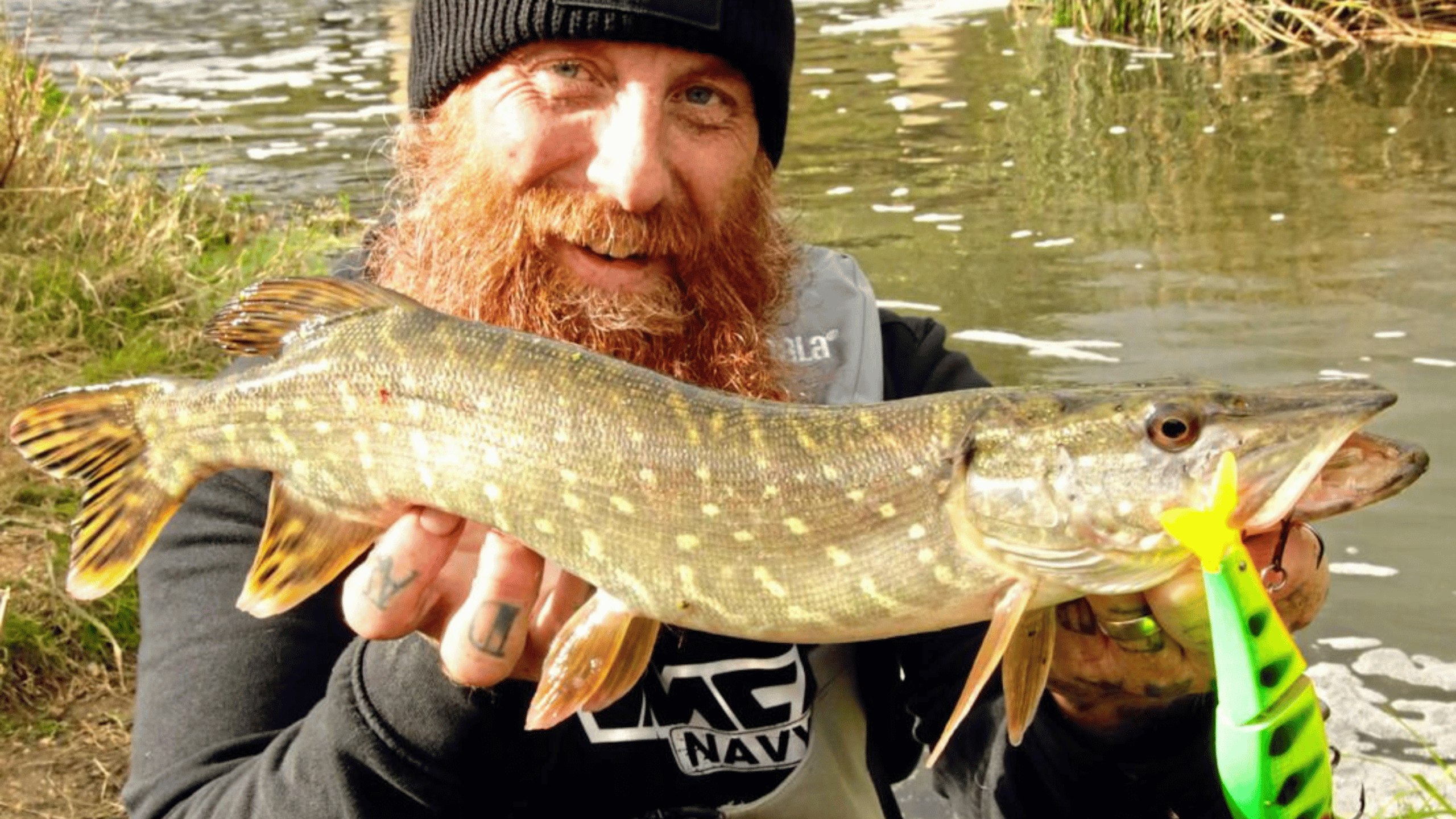
Ring the changes and success will follow. © Tony Grigorjevs
“The colour, shape and material a lure is made out of are all key, but how it moves and behaves beneath the surface is every bit as important,” said predator fishing expert Dave Mower.
The Rapala and VMC-backed angler has caught pike to over 30lb and perch above the almost unthinkable 5lb barrier using lures, and his success is down to far more than pot luck when it comes to selecting his weapons of choice.
Travel light
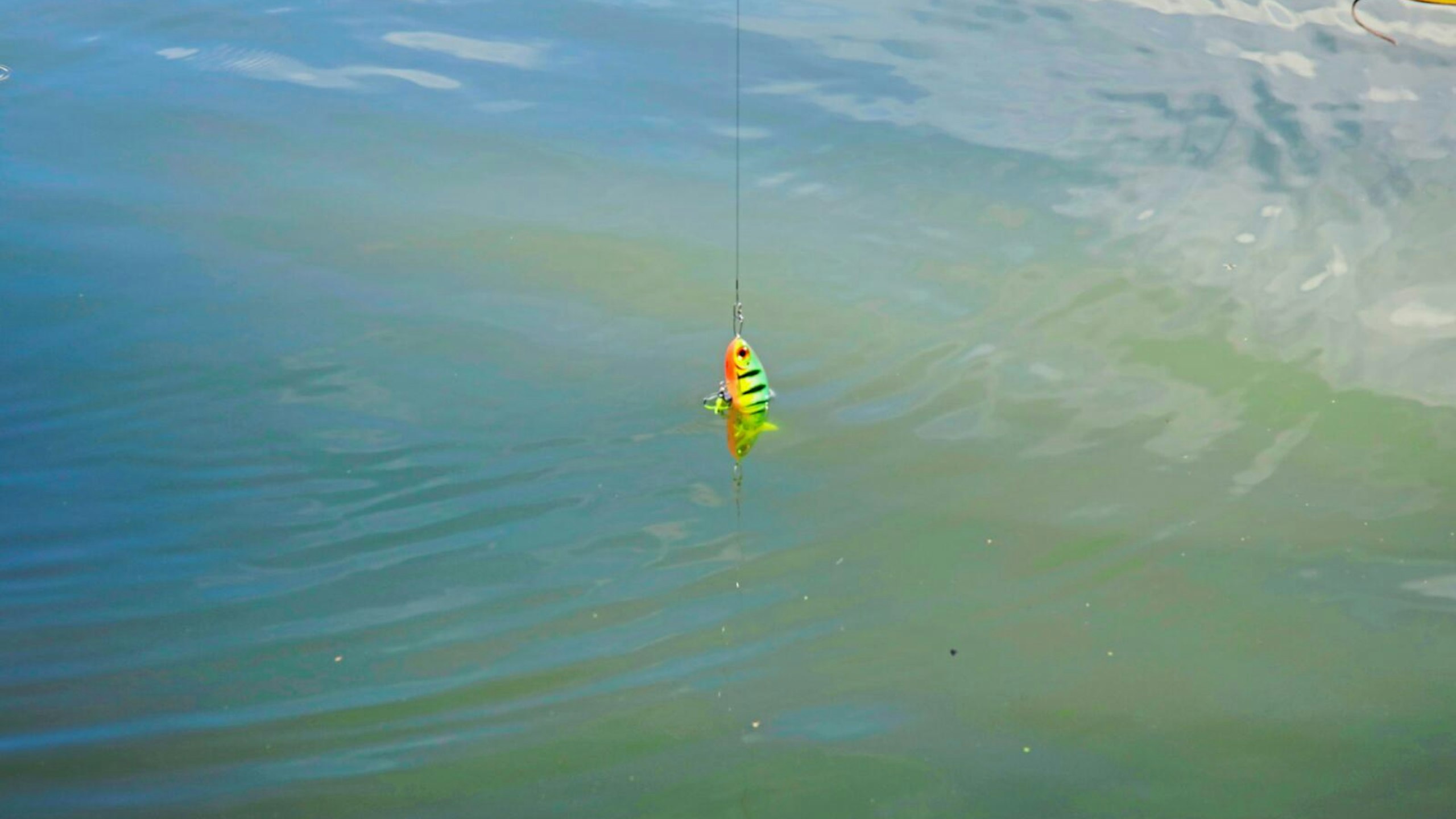
Pike often attack the lure as it is being inched out of the water. © Tony Grigorjevs
A couple of rods, a rucksack and landing net were all Dave was carrying at Vauxhall AC’S Sharnbrook Complex for this feature. Many predator anglers would also have a big box stuffed to the gunnels with lures, so I was amazed at just how few patterns he had come armed with.
“I don’t like to confuse things, and I carry just a small selection to make choosing one a simple process. Each one does something slightly different, though, which means I always have a lure to hand to suit the mood of the pike.
“It’s amazing how they’ll turn their nose up at almost everything you throw at them, but suddenly there’s one pattern they can’t resist! Visit the next day and that pattern may be nowhere near as effective and something else will take up the mantle, and that’s why you need to be armed with a few choices.”
Work the margins
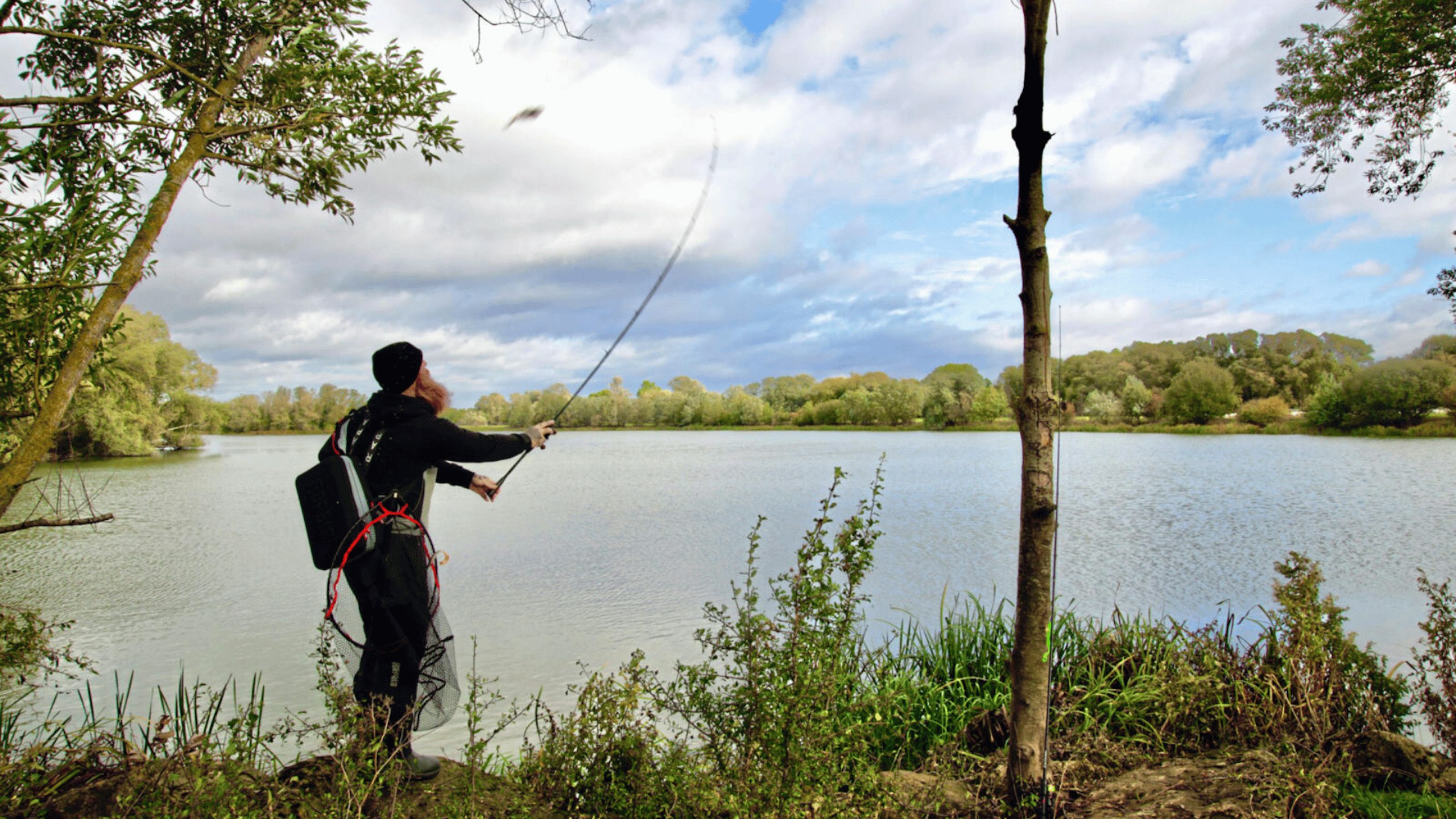
It only takes a couple of casts in a swim to work out its potential. © Tony Grigorjevs
A roving session around the giant Sharnbrook complex was on the agenda, and it soon became apparent that the water was reasonably clear, especially the margins.
It provided the perfect conditions for predators to hunt down their food, allowing them to stay camouflaged within the weed before pouncing when a tasty looking meal came within striking range.
“These pits are huge, but almost every cast will be towards marginal cover, as that is where the biggest pike are often hiding out.
“I’ll always slow the retrieve even more when I come within a metre or two of the bank, and I’ll inch the lure out as I lift it from the water for the next cast – you’d be amazed how many times I’ve had a bite at that point!
Analyse the performance
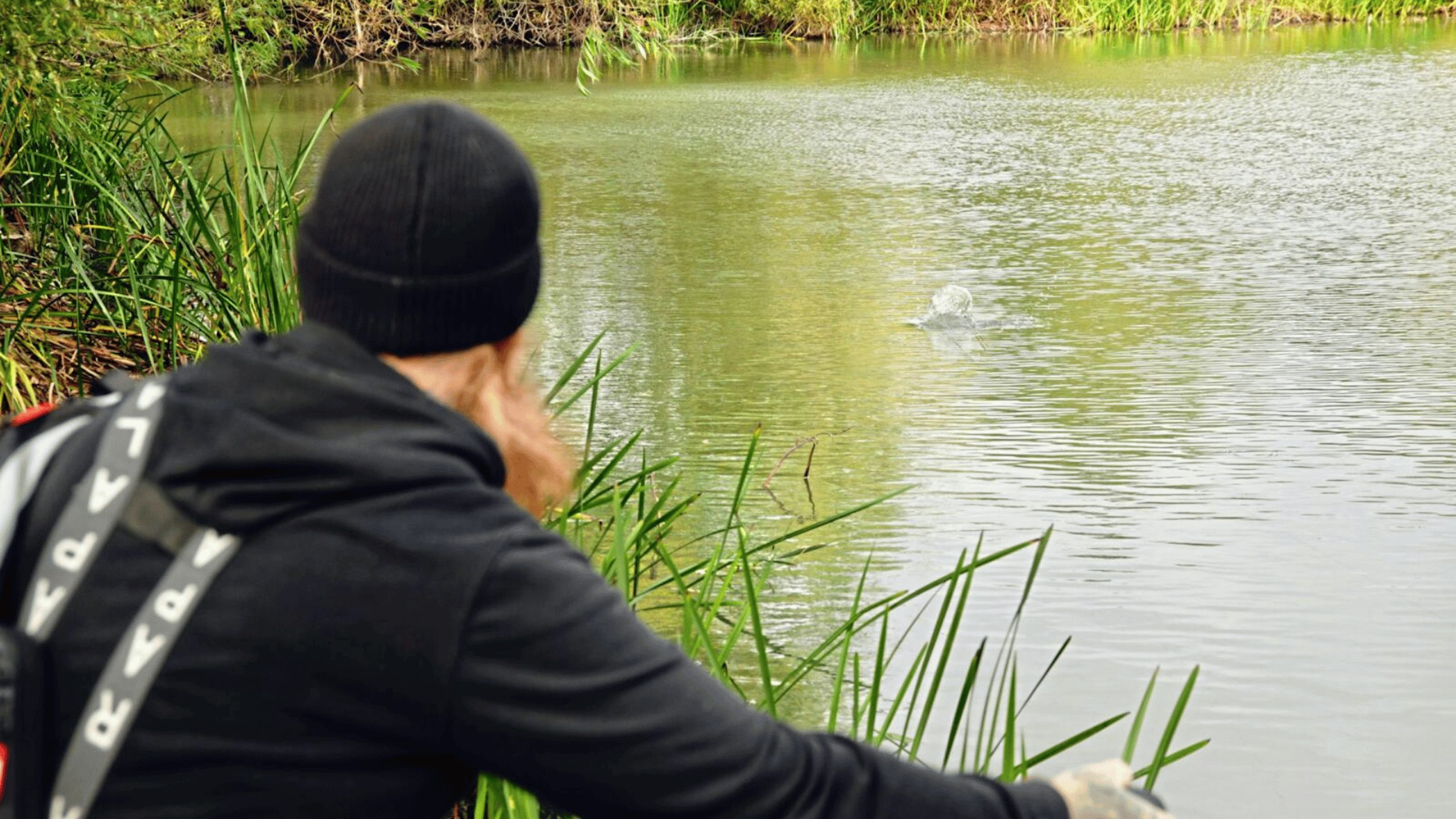
Most strikes will come close to the bank. © Tony Grigorjevs
As Dave worked his lure around the edge of the lake, I could see the vivid colours of the pattern through the water layers, but it was the movement that really caught my eye. Each pattern danced slightly differently, to provide Dave with different options.
“I’ve got two favourite lures, and it is their versatility that makes them so appealing.
“The Super Shadow Rap Glide gives off a slow S-pattern movement when twitched but can be made to swim straighter with short turns of the reel,” he said.
“The tails are also interchangeable so that you can try different colour combinations. The weights can be switched too, allowing you to fish at different depths – the deeper you want the lure to dive, the heavier the weight you use.
“A VMC Mustache is the other pattern I always carry, and it tends to produce the goods on venues where bigger pike are present.
“They are jig heads that screw directly into the head of either a soft Olio, Otus or Peto lure.
“The Mustache then flares out on the retrieve to make it unmissable underwater.
“They’re brilliant when pike are hitting slow-moving targets. Once again, there are many colour combinations, and I love using one on a Peto, with the tail moving about frantically like a distressed fish!”
Remain active
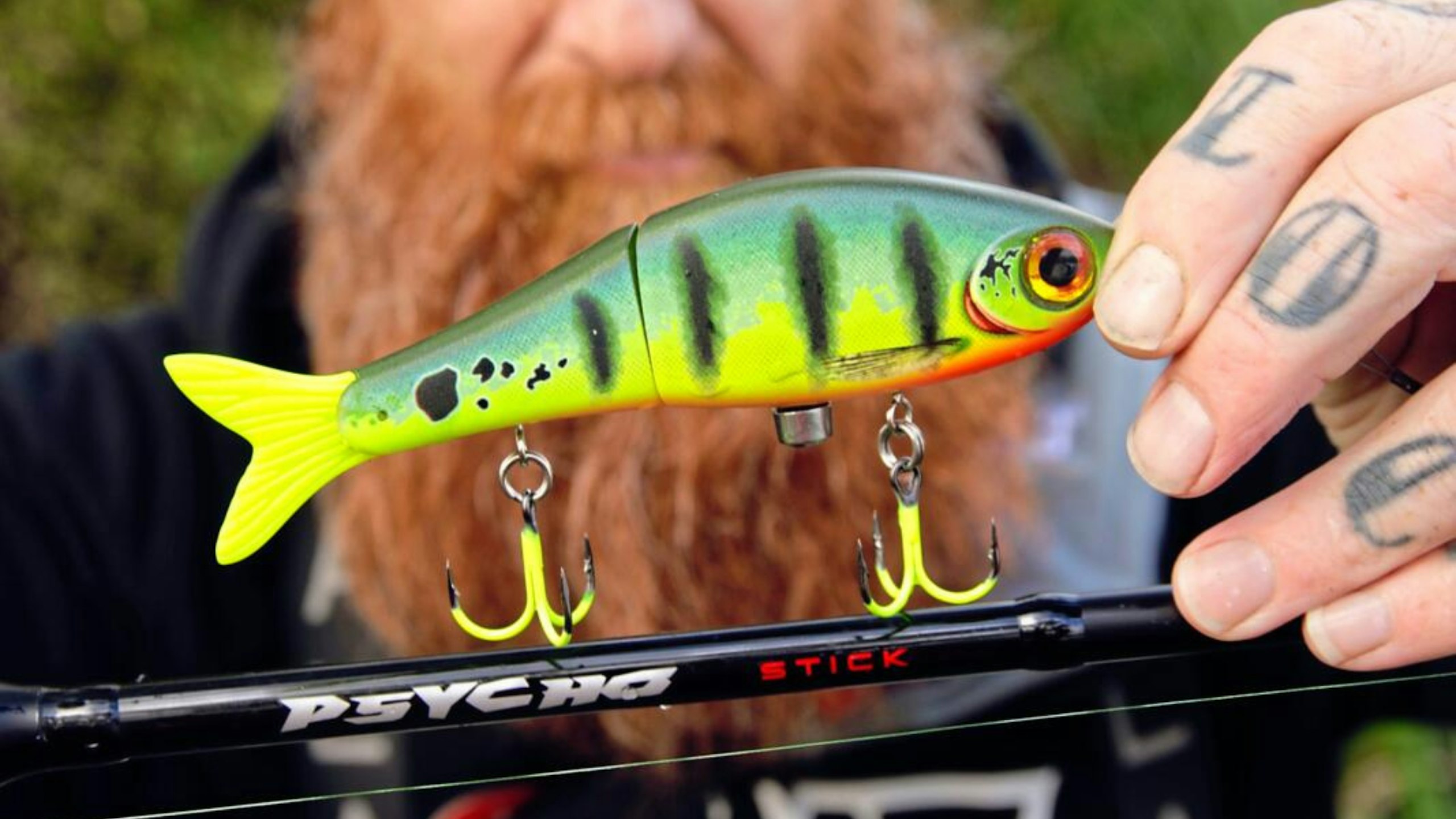
The Super Shadow Rap Glide gives off a slow S-pattern movement when twitched. On its day, it’s deadly! © Tony Grigorjevs
The steps on my smart watch soon ticked past 10,000 for the day, as Dave had us weaving in and out of all manner of nooks and crannies around the lake.
He stayed loyal to his mantra of focusing on the margins, paying particular attention to corner swims and dense cover close to the bank. Scanning the water for shoals of scattering fry also plays a part in Dave’s strategy, but on a day when a steady breeze pushed a ripple across the lake’s surface, spotting them proved impossible.
Two or three casts in a peg was enough before it was time to up sticks.
He said: “Pike are highly instinctive creatures, and if you draw the right lure past the nose of a fish that is hungry, it’ll smash it.
“I like to cover a lot of ground, and I’ve had plenty of sessions where it’s been a struggle for most of the day, only to get my rewards in the final spot that I’ve tried.”
Dave was constantly making subtle adjustments to try and trigger the action. Whether that was changing the pace of the retrieve, switching lures or allowing it to dive deeper, he remained convinced that he would eventually settle upon something that delivered the goods.
His determination paid off, with a handful of pike to just under the double-figure mark landed before we wandered along the complex’s stretch of the Great Ouse to taste a little more success.
“Lure fishing is such an exciting way to target pike, but you must analyse so much more than just the colour and shape if you’re to get consistent results in the coming weeks and months,” concluded Dave.
Just so you know, we may receive a commission or other compensation from the links on this website - read why you should trust us