- Home|
- Advice|
- Rigs
How to prevent foul hooking carp when fishing the margins
Reduce the chances of foul-hooking carp with these great tips!

by Jonathan Longden |
Published on25th July 2025 at 1.34pm
Follow Angling Times on Google
At some point, most of us would have had that sinking feeling when the float dips, you lift and the elastic stretches to the middle of the lake, and you realise you’ve foul hooked the fish. Foul-hooked fish are part and parcel of pole fishing in the margins or tight to islands, especially when the swim’s full of feeding carp. It’s a common mishap, but far from ideal. A foul-hooked carp puts an unnatural strain on your tackle, and all too often ends in a heartbreakingly empty landing net.
Now, there’s no solution to stop foul-hooking fish altogether, but you can approach the swim in a way that seriously stacks the odds in your favour. Done right, it keeps the hookbait where the carp expect to find food and keeps your line out of their way. The result? More clean hook-ups, fewer foul hooked fish, and a lot more fish in the net.
USING THE BEST MARGIN POLES TO TAME THOSE BIG MARGIN DWELLERS.
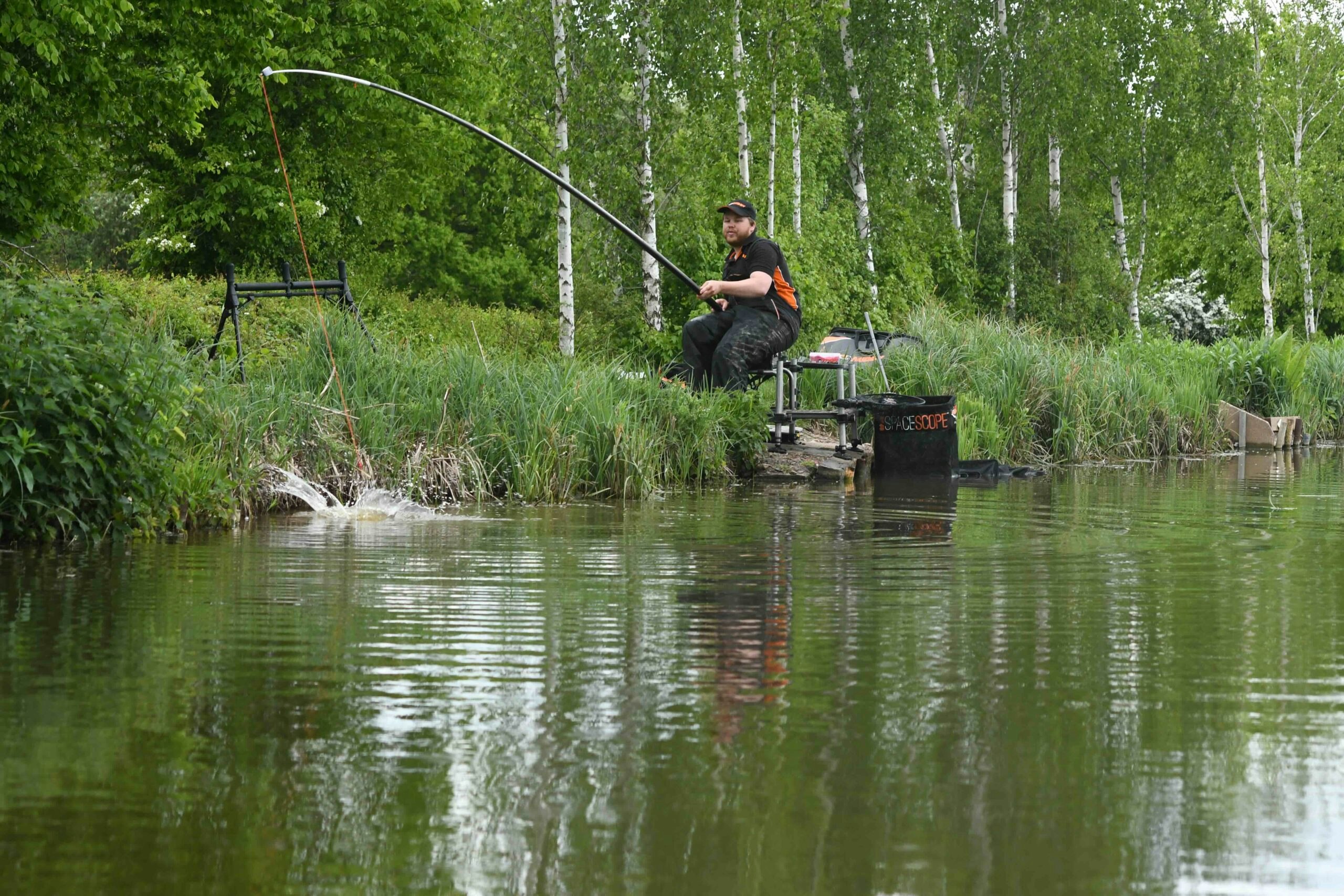
Margin fishing is exciting but it requires some specialist tackle
Gear up with purpose
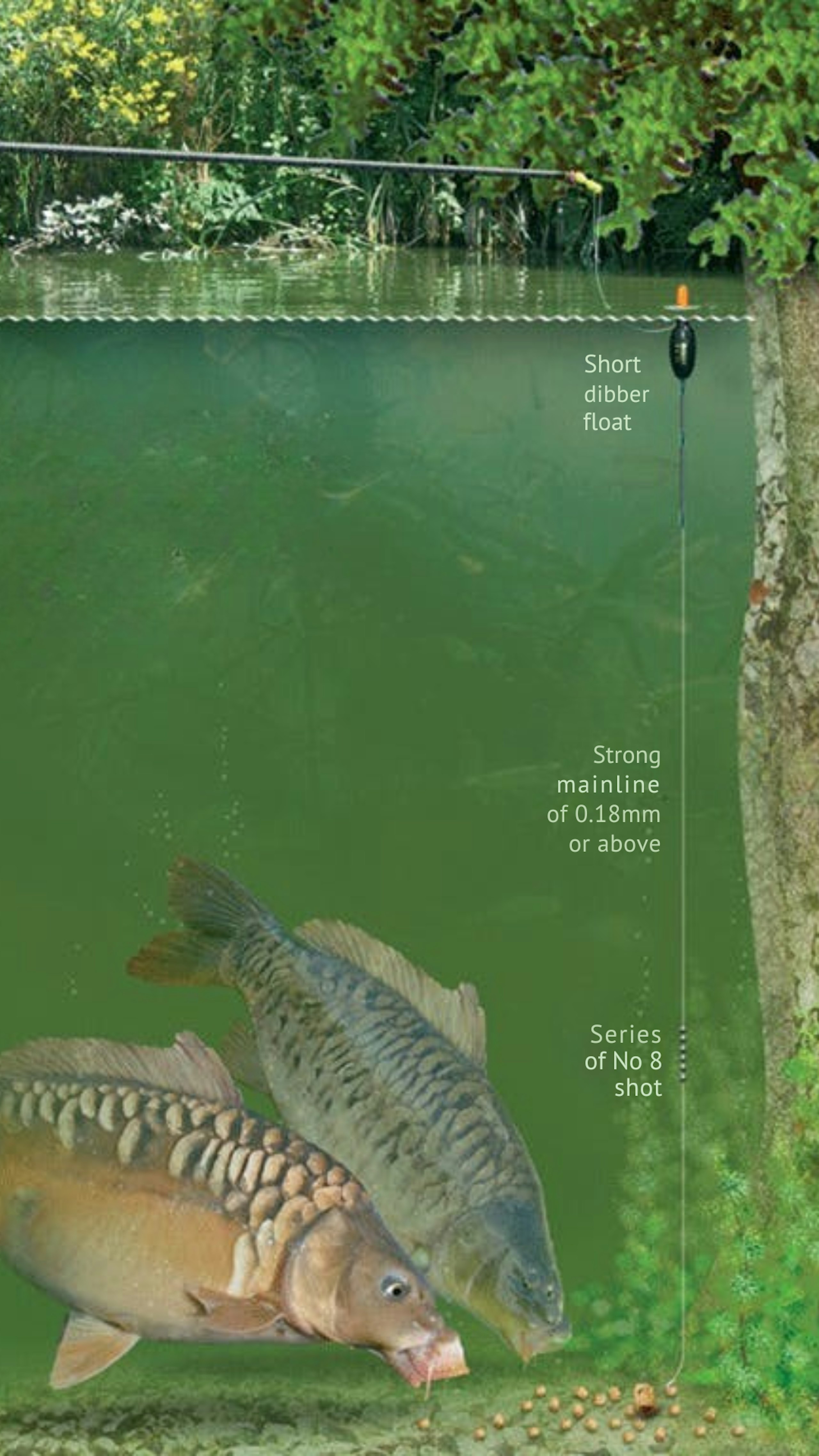
Start with a strong hook, spade end or eyed, whichever you prefer. What matters more is that it’s sharp, durable, and suited to margin fishing. Pair that with a short, 0.4g buoyant float, something with a thick, visible tip, you can spot even when the fish are creating lots of turbulence in the peg. A bulk of 5 No8 shot grouped above the hooklength keeps the float stable.
Mainline needs to be robust. Something in the 0.18mm to 0.22mm diameter (roughly 6–10lb) range is perfect. It's thin enough to keep presentation neat, but strong enough to cope when a big fish dives for a snag. Paired with a balanced hooklength of 0.16mm to 0.20mm (roughly 5-8lb).
Your elastic needs to be strong and reliable. A hollow elastic with 18 rating, something like a Daiwa Purple Hydro or 17h Preston Hollo will give you the backbone to steer margin dwellers out of trouble. You can drop to a 16 rating (Daiwa Black Hydro or 15h Preston Hollo) if you’re only expecting smaller fish, go any lighter, and you’ll regret it.
ENJOY MARGIN FISHING? THEN HEAD TO ONE OF THESE VENUES IN OUR WHERE TO FISH GUIDE.
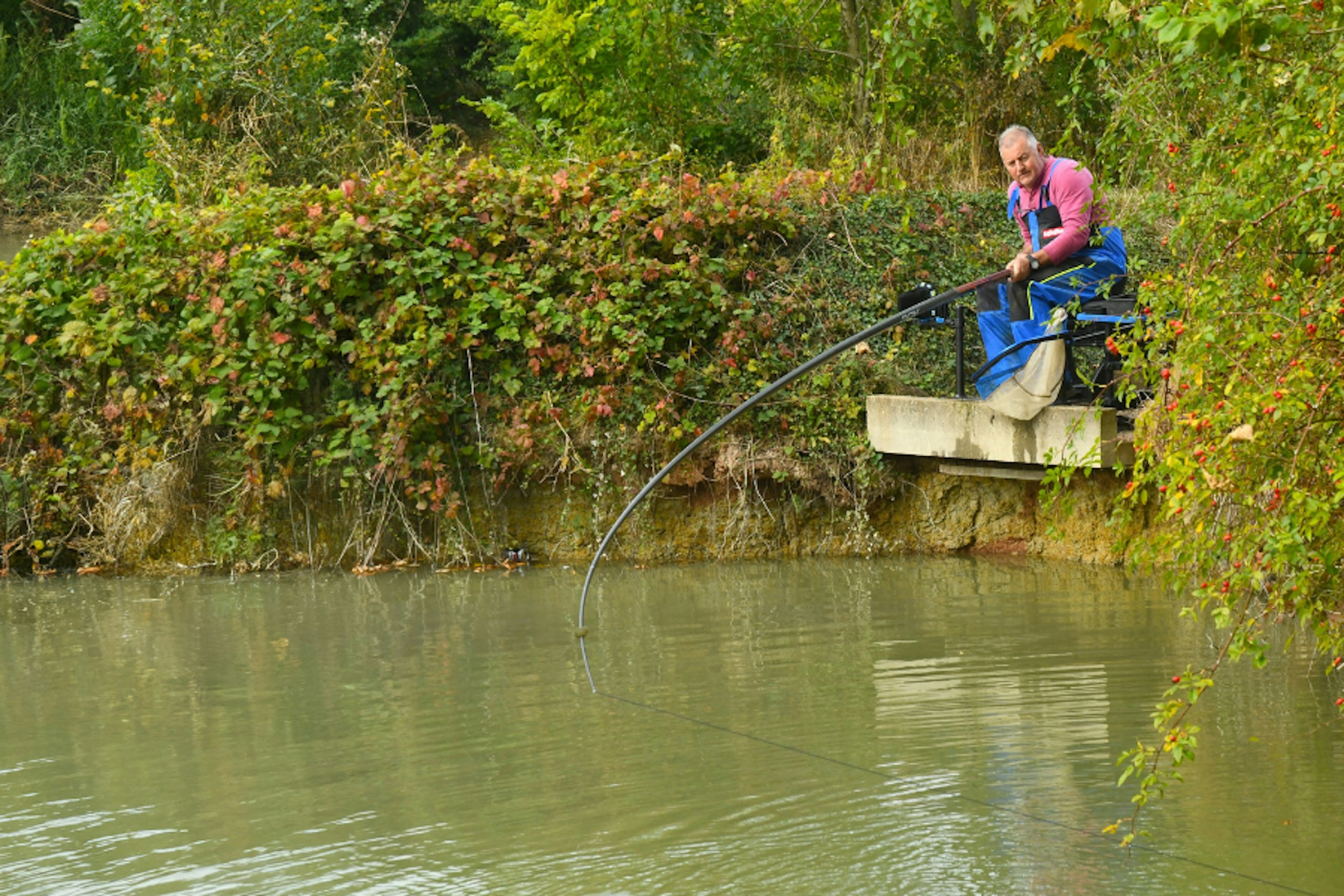
Presentation is everything
One of the most important parts of the rig is the distance between your pole tip and your float. Keep it as short as you can manage to keep the rig still. You need to be able to push your rig right into tight spaces, inches from overhanging reeds, tight into the near bank or against island margins. A long line above the float makes precision impossible. Shorten up and you'll find you can control the rig far more effectively.
Now for plumbing, arguably the most crucial detail. Your bait should be just touching the bottom or laying on by no more than an inch. This keeps the hookbait anchored where the carp are feeding and not being wafted around.
CHECK OUT THESE 5 MUST HAVE CARP POLE RIGS TO ENHANCE YOUR POLE FISHING.
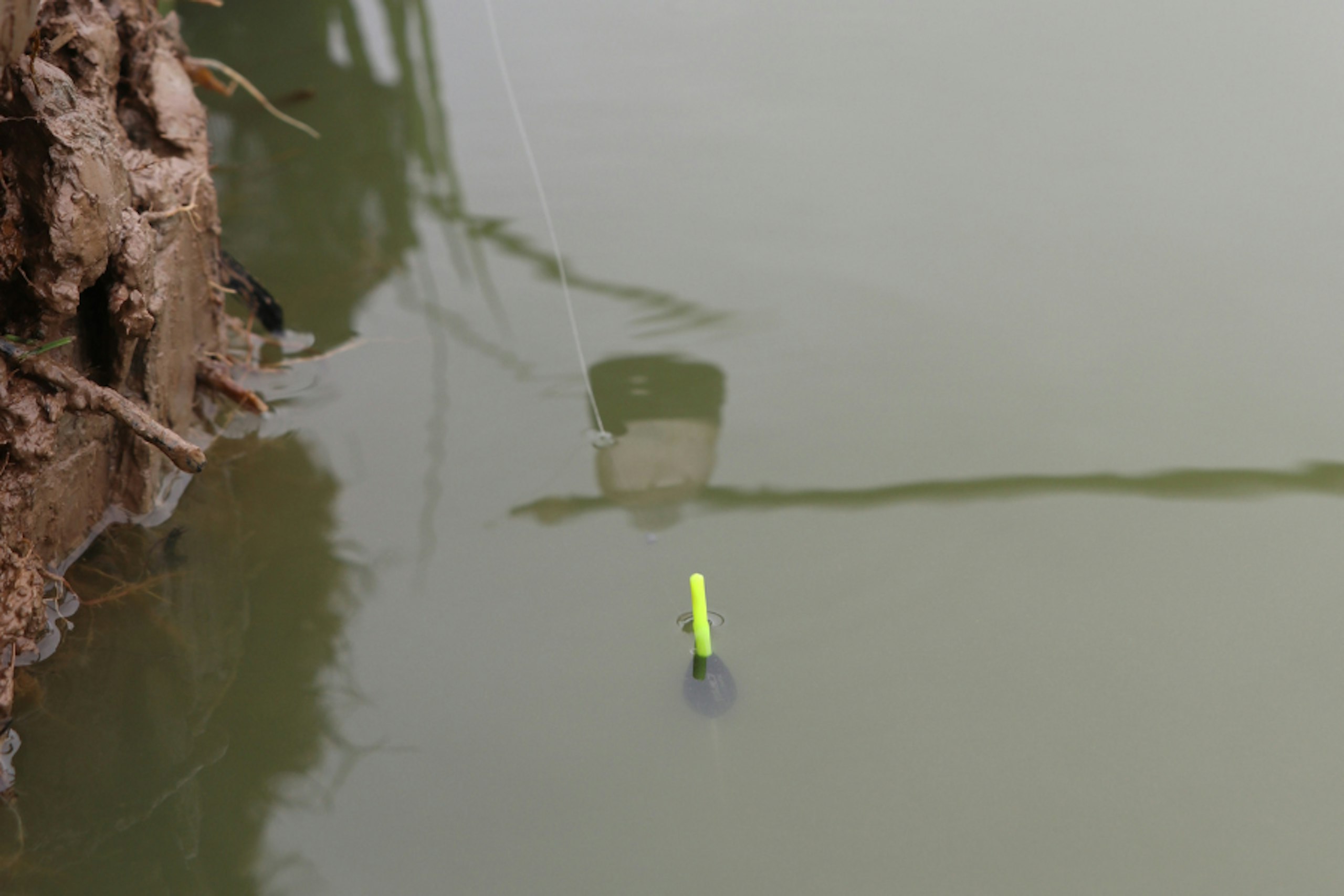
Why it works
This isn’t just a strong and durable setup. It’s a logical one. Positioning your rig as tight to the margin as physically possible, you're fishing in a way that stops fish getting behind your rig rather than fishing the rig through feeding fish.
Carp feeding in margins or against islands almost always have their heads down and tails up. By ensuring your hookbait is tight against the bank at the base of these feeding zones significantly reduces the risk of foul-hooking.
When a carp picks up the bait, its instinct is to bolt away from the bank, away from feeding fish. Into open water. With the right elastic and rig you can guide the fish out safely and stay in control, with room, and time to play it.
ENSURE YOU EFFECTIVELY FISH THE MARGINS SAT ON THE BEST FISHING SEATBOXES.
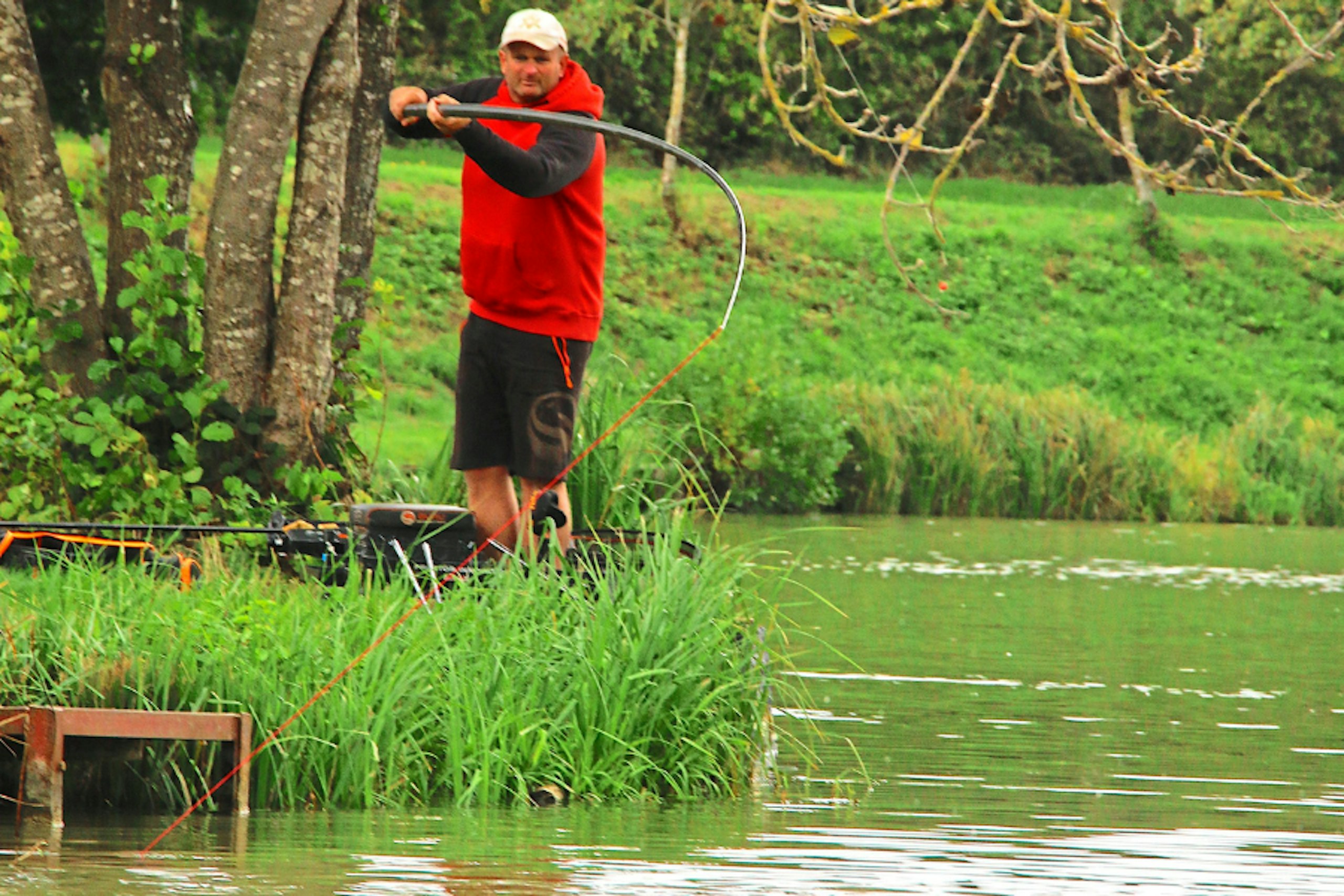
The right way
By using as short a line between pole tip and float it is possible to push your margin rig incredibly close to island features. In doing this you will reduce the amount of false bites and foul-hooked fish.
The wrong way
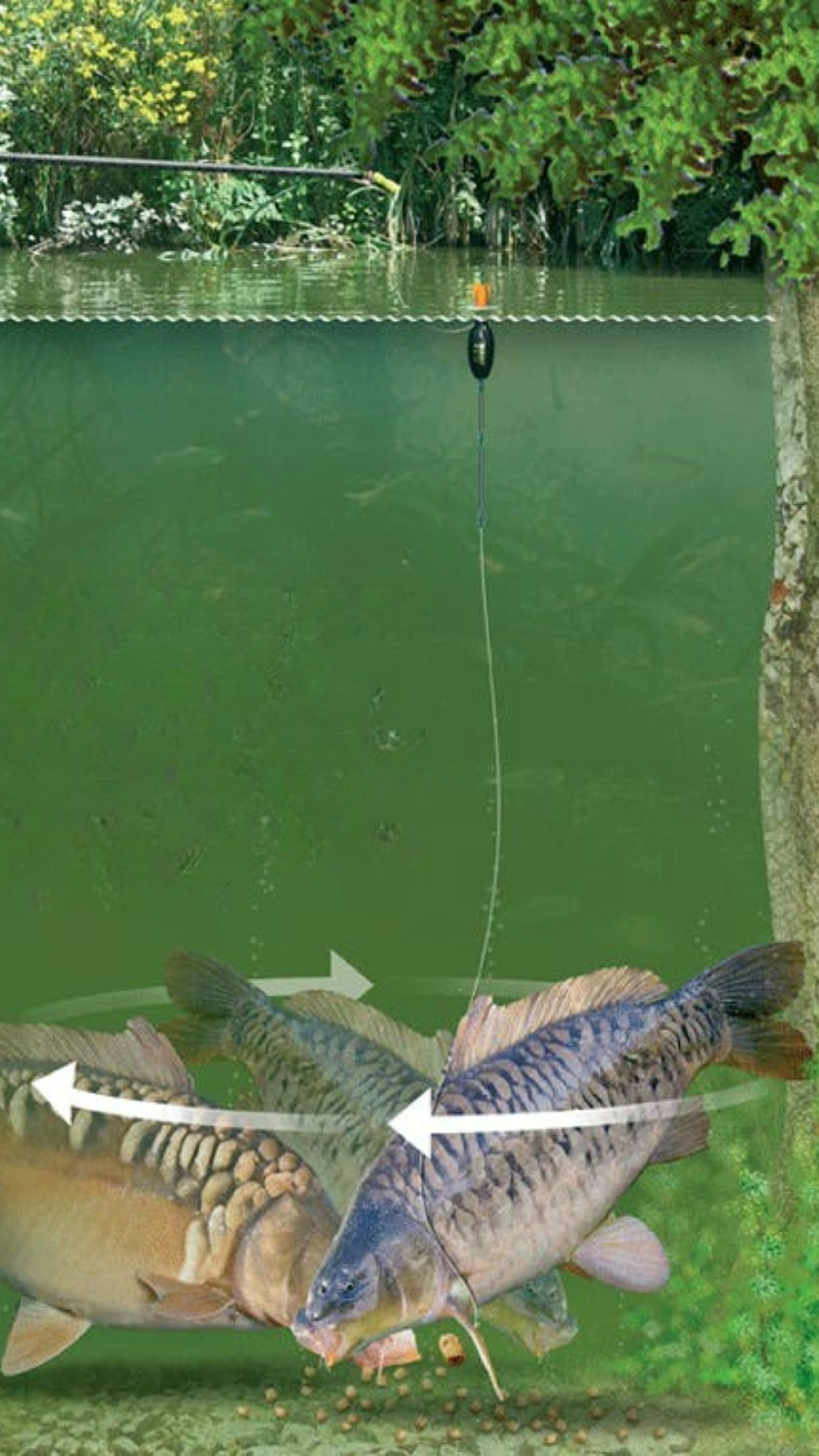
Carp will venture away from the margins to eat your loosefeed. As they feed, they will create turbulence. If your pole rig is laid in away from the margins and placed among the fish, there is a very high chance that the carp's fins or body will brush against your hook. That will lead to false bites and foul hooking.
Just so you know, we may receive a commission or other compensation from the links on this website - read why you should trust us