- Home|
- Advice|
- Beginners
The best carp fishing tips for beginners
Carp fishing doesn’t need to be complicated. Nail the basics and you’ll catch more.

by Jonathan Longden |
Published on25th October 2025 at 2.00pm
Follow Angling Times on Google
Carp anglers love to over complicate things. There’s always a new rig, a new wonder bait or piece of tech that promises to be a game changer, but most of the time, it’s the simple things that make the biggest differences. Get the fundamentals right and you’ll catch more fish - it’s as simple as that.
Whether you’re tackling a well-stocked commercial, a deep gravel pit or a quiet syndicate water, these practical tips will help you fish smarter, stay one step ahead of the carp, and turn more sessions into success stories.
CHECK OUT OUR GUIDE TO THE BEST CARP FISHING LUGGAGE.

Location, location, location
If the carp aren’t in front of you, you simply can’t catch them. Before you set up, spend time walking the lake and watching the water. Look for subtle signs of activity, fizzing or bubbling on the surface, water colouring up, carp showing, rolling or cruising. These are all clues that carp are active and feeding. Don’t be afraid to move swims if you see signs in another part of the lake. The most consistent anglers are usually the ones willing to stay mobile.
IF YOU ARE NEW TO CARP FISHING, OUR BEGINNERS GUIDE HAS LOTS OF USEFUL ADVICE.
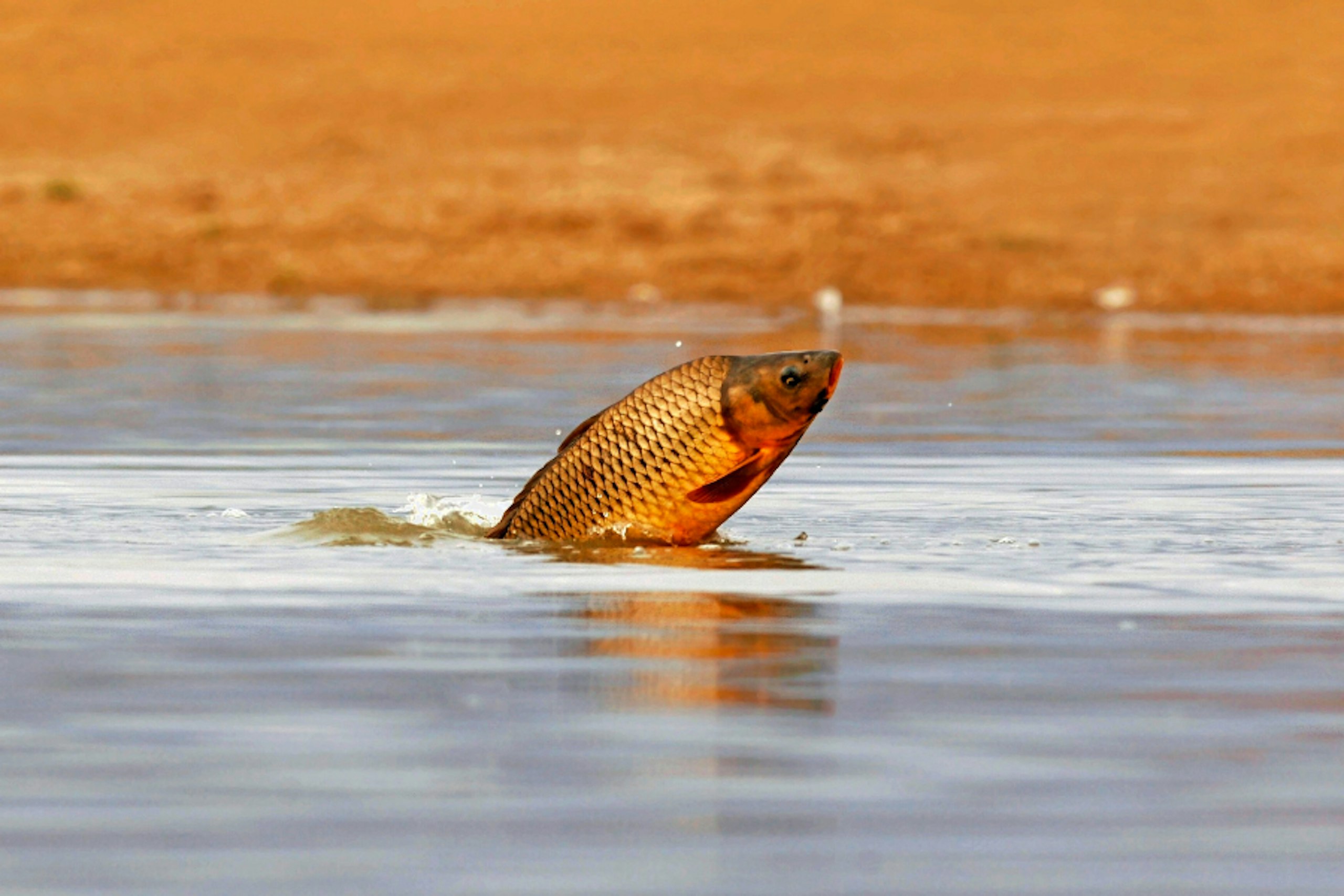
Keep the noise down
Carp are far more sensitive to vibration than most anglers realise. Heavy footsteps, clattering banksticks or a badly timed cast can spook fish and push them out the swim. Approach quietly, place your kit down carefully and keep casts to a minimum. In clear, shallow water, stealth is often the biggest advantage you have.
THE BEST BEDCHAIRS WILL KEEP YOU COMFORTABLE ON THE BANK.
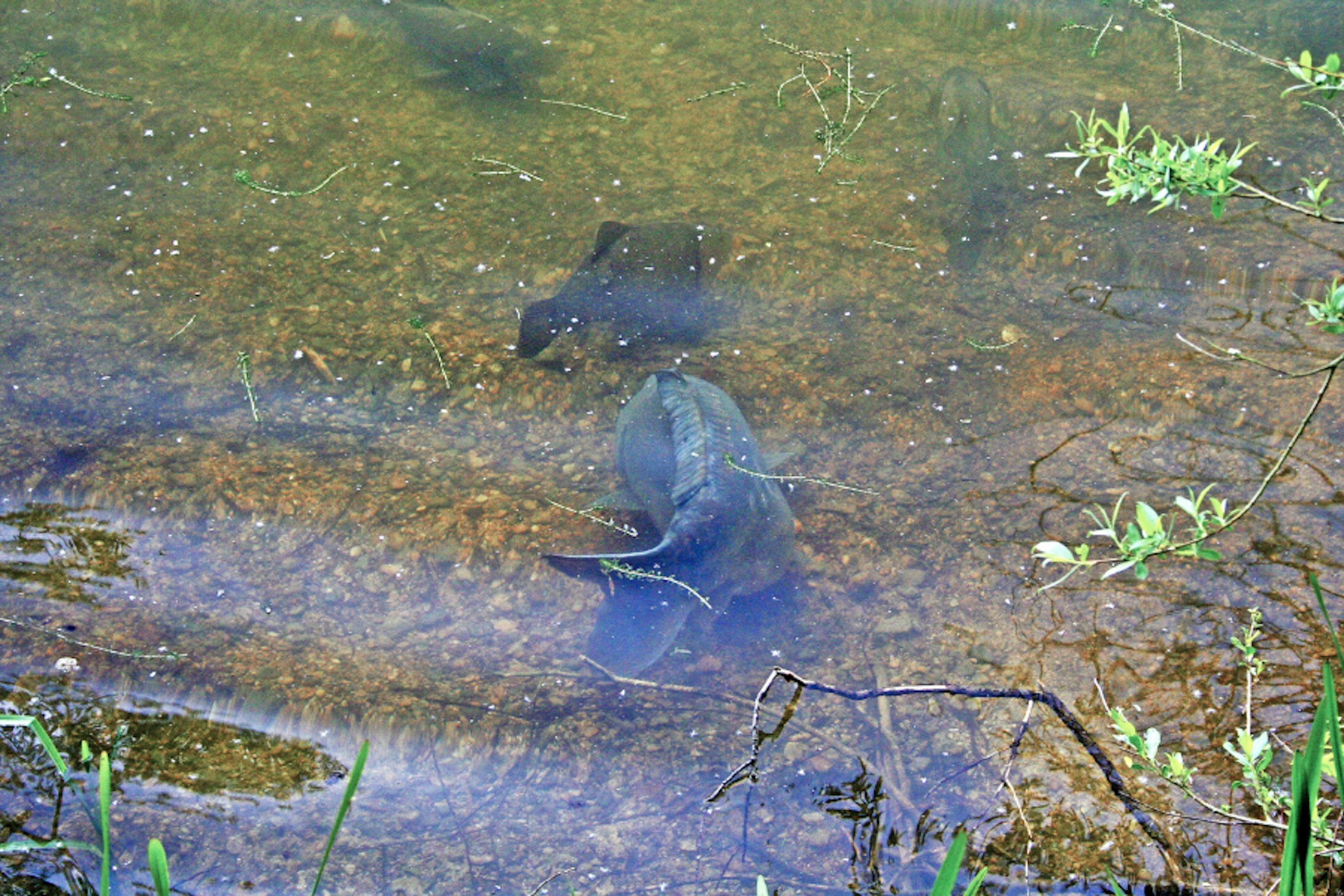
Margins matter
The margins of a lake are often the most neglected yet productive areas. Carp patrol the margins regularly, especially at dawn and dusk, searching for natural food and bait that other anglers have discarded before they left.
A well-placed bait close to cover such as reeds, lilly beds, bushes or the near shelf can often out-fish a heavily baited area in open water. Keep disturbance to a minimum, use small, subtle baits, and you’ll often get bites sooner than you think.
THE BEST CARP RODS CAN TAME BIG FISH FROM THE MARGINS.
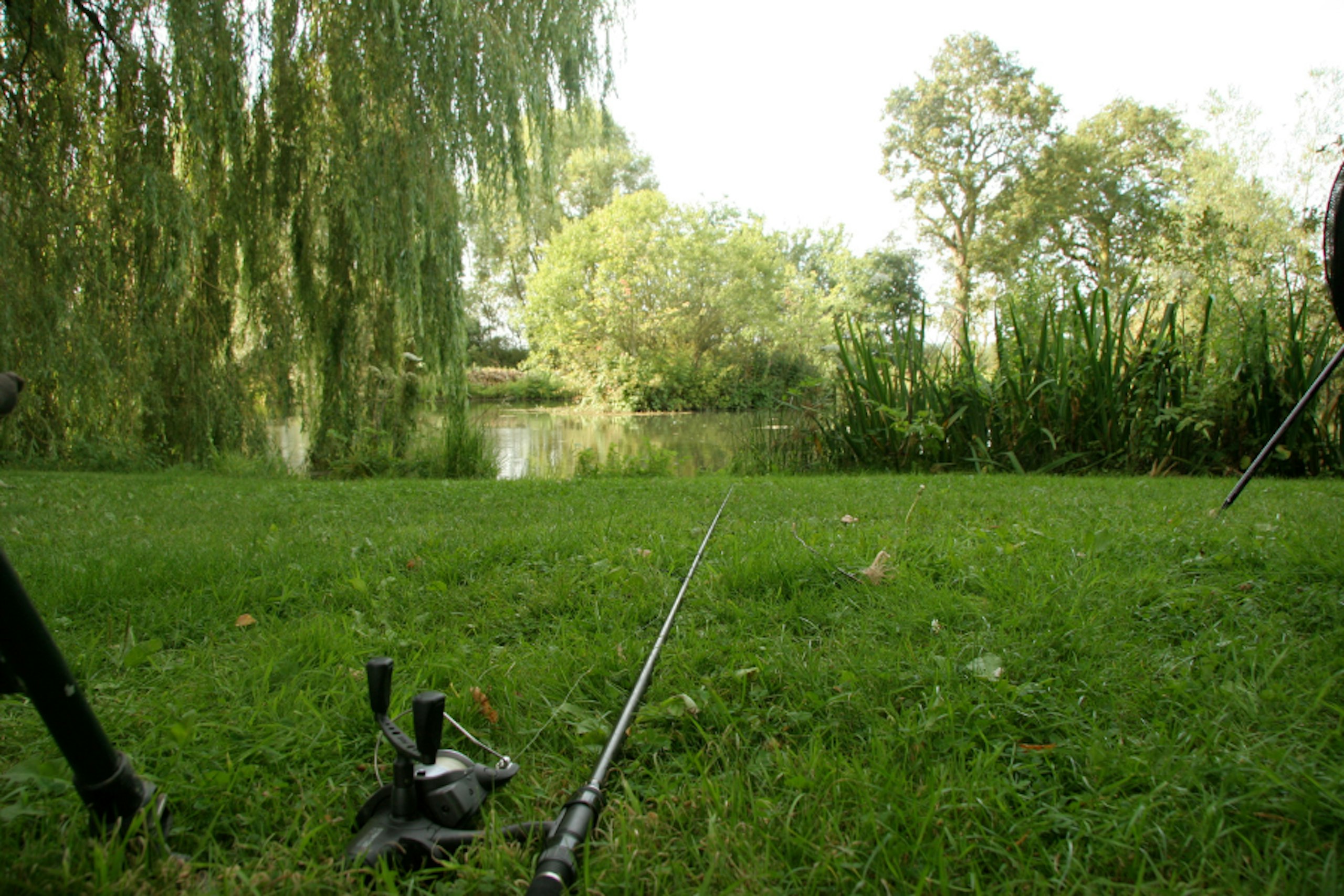
Match your hookbait to your feed
If you’re feeding sweetcorn, fish corn on the hook. If you’re catapulting boilies, use one of the same size and colour, or crumb up the same boilie to put in a PVA bag or stick. Carp learn fast and can quickly become wary of an odd-looking hookbait. Matching your hookbait to your loose feed creates a natural presentation that blends in and encourages confident bites as the fish graze over your baited area.
LOOKING FOR AN EDGE, WHY NOT TRY MAKING YOUR OWN BOILIES?
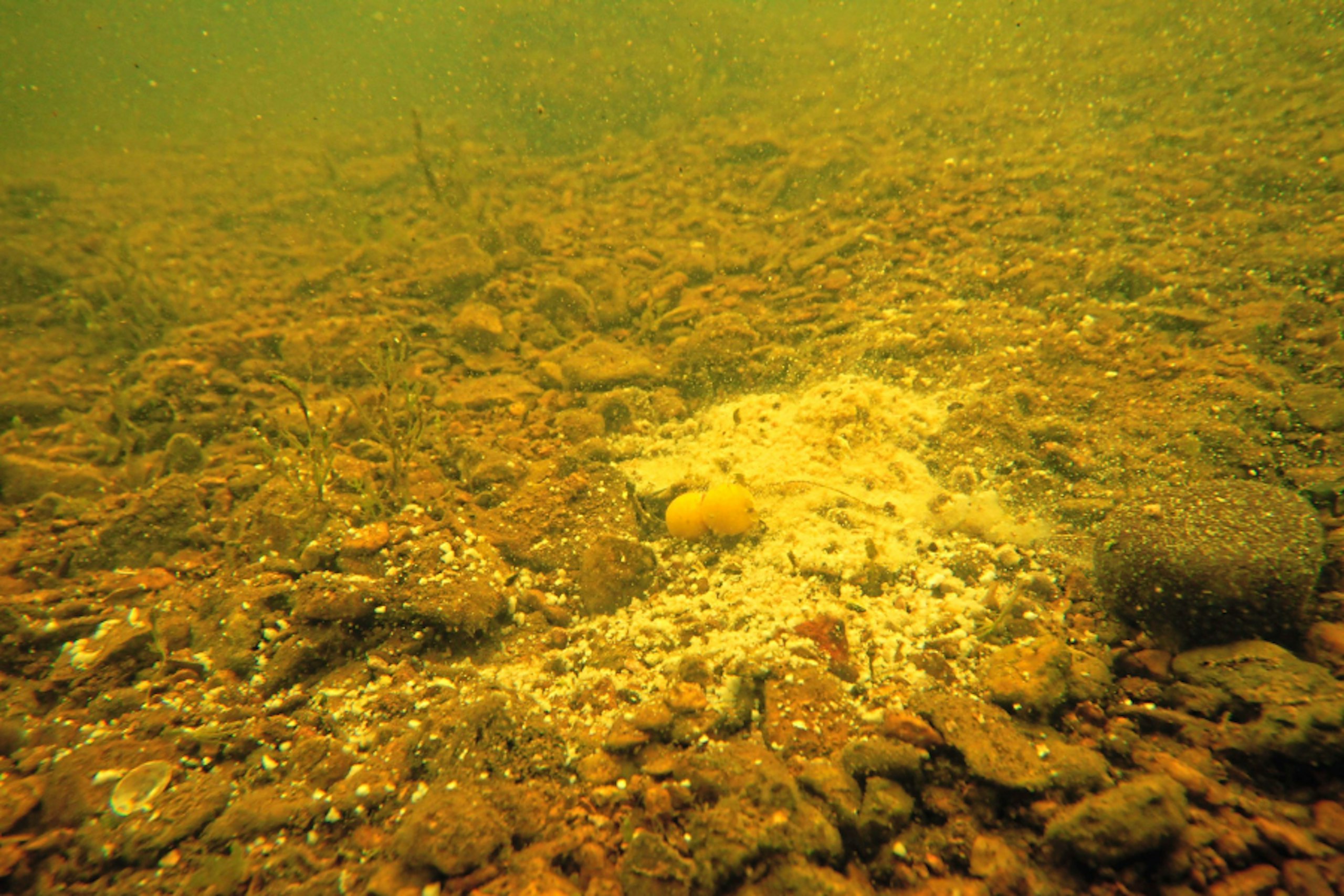
Feed smart, not heavy
More bait doesn’t always mean more bites. In fact, on busy or pressured venues, heavy feeding can blow a swim before you even get a rig in. Start with modest amounts, a PVA bag or stick, a few boilies, a handful of pellets or a pinch of corn, let the fish tell you what they want, and only top up when you’re sure the fish are feeding confidently. Little and often can keep the fish interested for longer and avoid filling them up too quickly.
THESE EXCELLENT TIPS WILL HELP YOU BAIT AND FISH IN THE RIGHT PLACE!
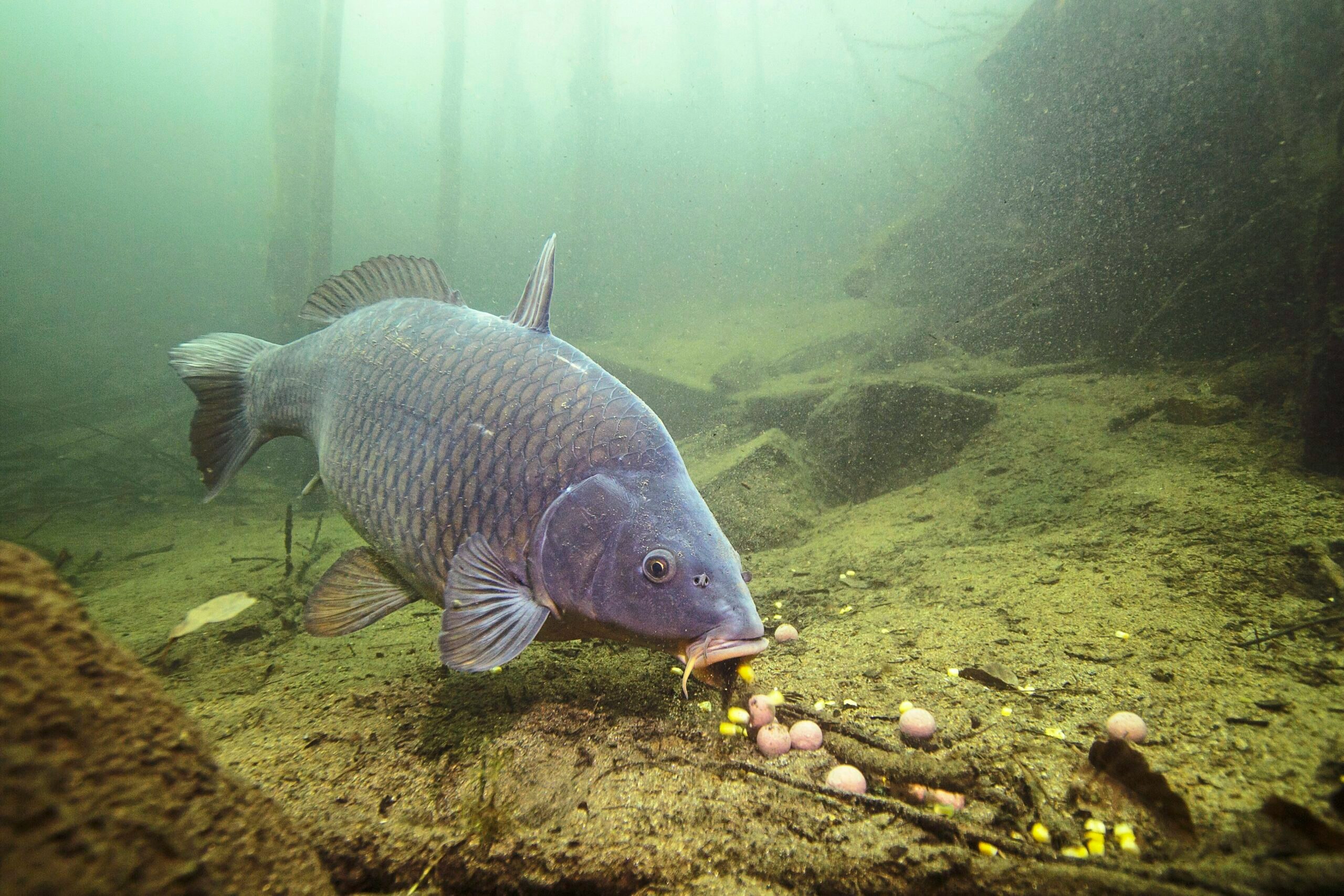
Freshwater fish carp (Cyprinus carpio) feeding with boilie in the beautiful clean pound. Underwater shot in the lake. Wild life animal. Carp in the nature habitat with nice background.; Shutterstock ID 1149839699; Purchase Order: -; Issue Number: -; Magazine Title: -; Main Account Contact: -
Stay on top of your rigs
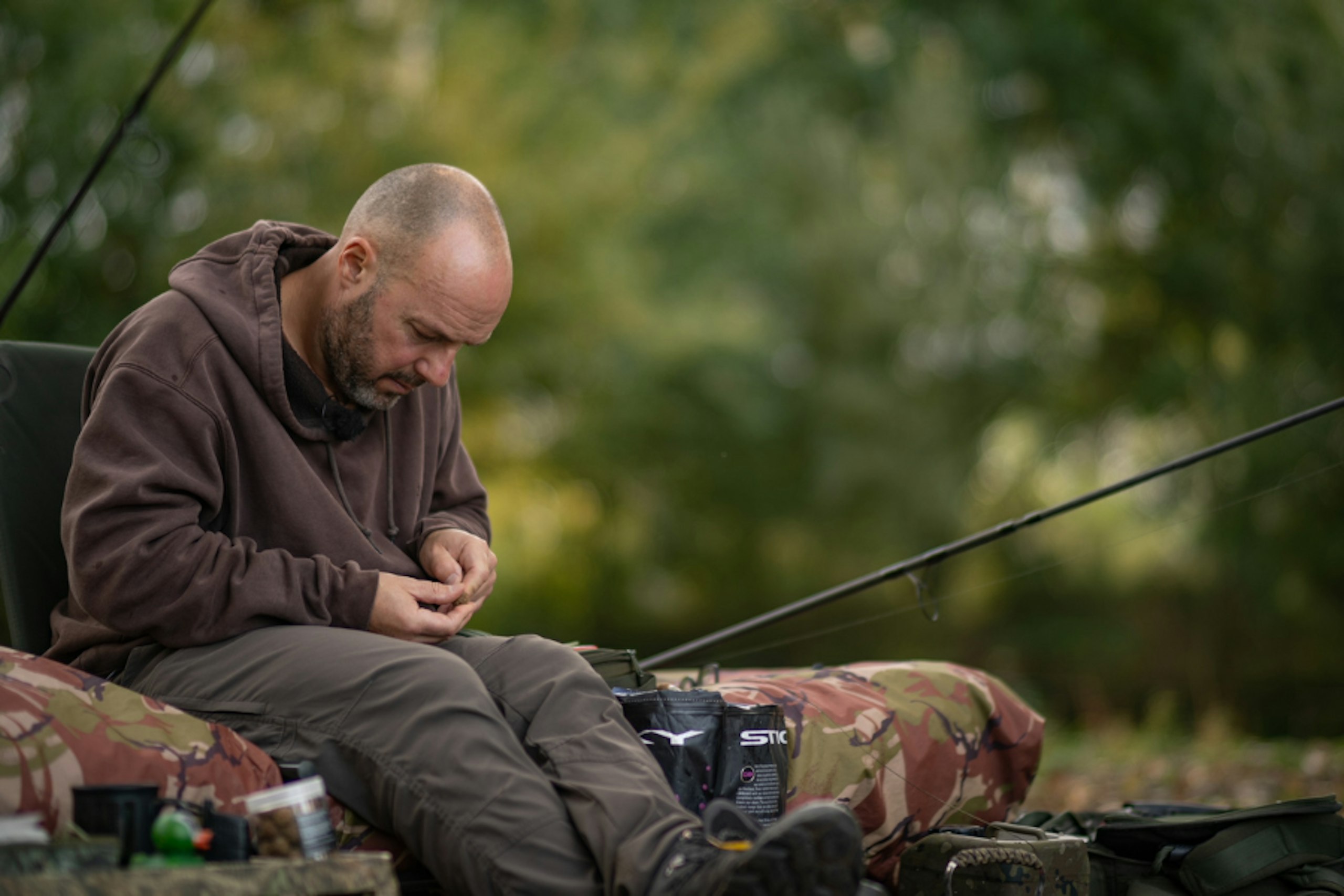
Hooks blunt, and knots slip. It takes seconds to check but can cost you a fish if you don’t. Run your finger over the hook point after every fish, check the knot for wear, and replace anything that looks suspect. A sharp hook and tidy rig are your direct connection to the fish, overlook them at your peril.
MAKE SURE YOU DON'T GO FISHING WITHOUT TYING UP SOME OF THE BEST CARP RIGS.
Adapt to the seasons
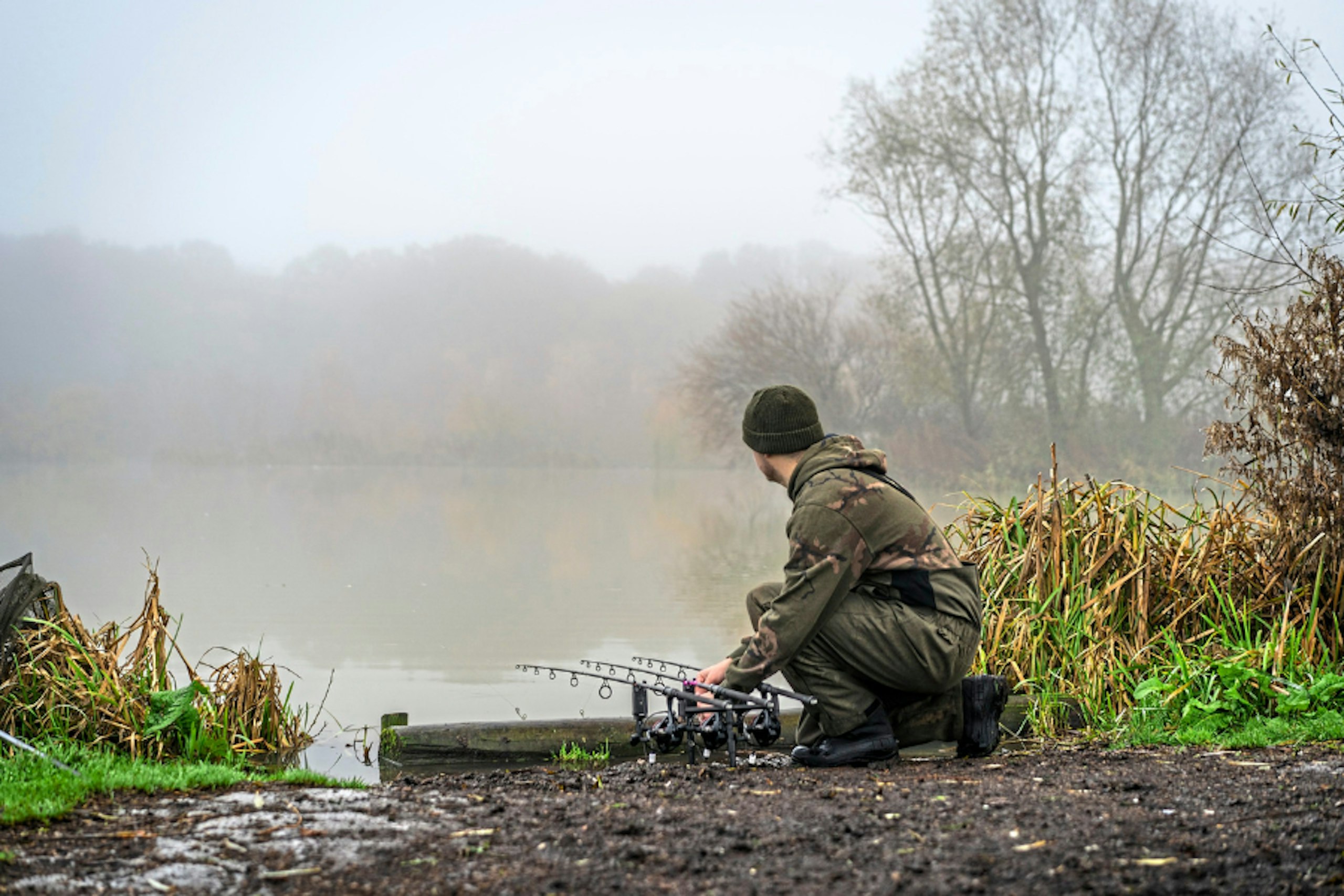
Carp behaviour is directly influenced by the weather. In spring carp seek warmer shallow water, in summer they explore the upper layers or seek out cover, in autumn you’ll find them feeding heavily in deeper areas of the lake in preparation for winter and when winter arrives the fish slow down and shoal together. Read these seasonal shifts and you’ll be able to predict where the fish are rather than guessing and adapt your approach to suit.
KEEP CATCHING CARP IN THE COLDER MONTHS WITH THIS GREAT ADVICE.
It pays to be subtle
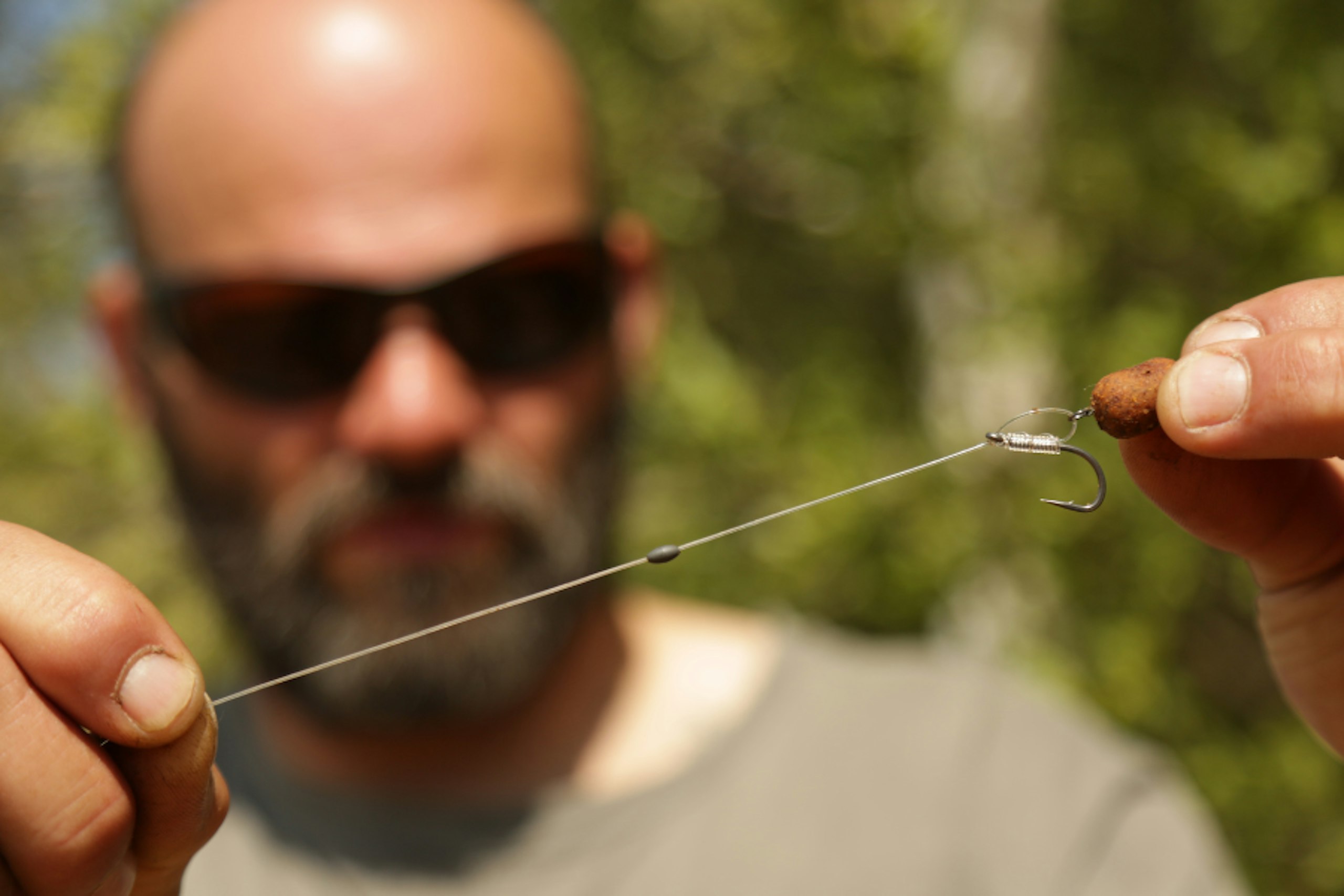
On venues that see plenty of lines and leads, a lighter, tidy setup can make all the difference. Step down your hooklengths, keep lines pinned to the lakebed, and fish for one bite at a time. Avoid over-baiting, and use smaller, hookbaits that match what everyone else is feeding. Pressured carp that have seen it all are often caught by anglers who do less, not more.
YOU WILL NEED A SET OF THE BEST BITE ALARMS TO ENSURE YOU NEVER MISS A BITE.
Be organised
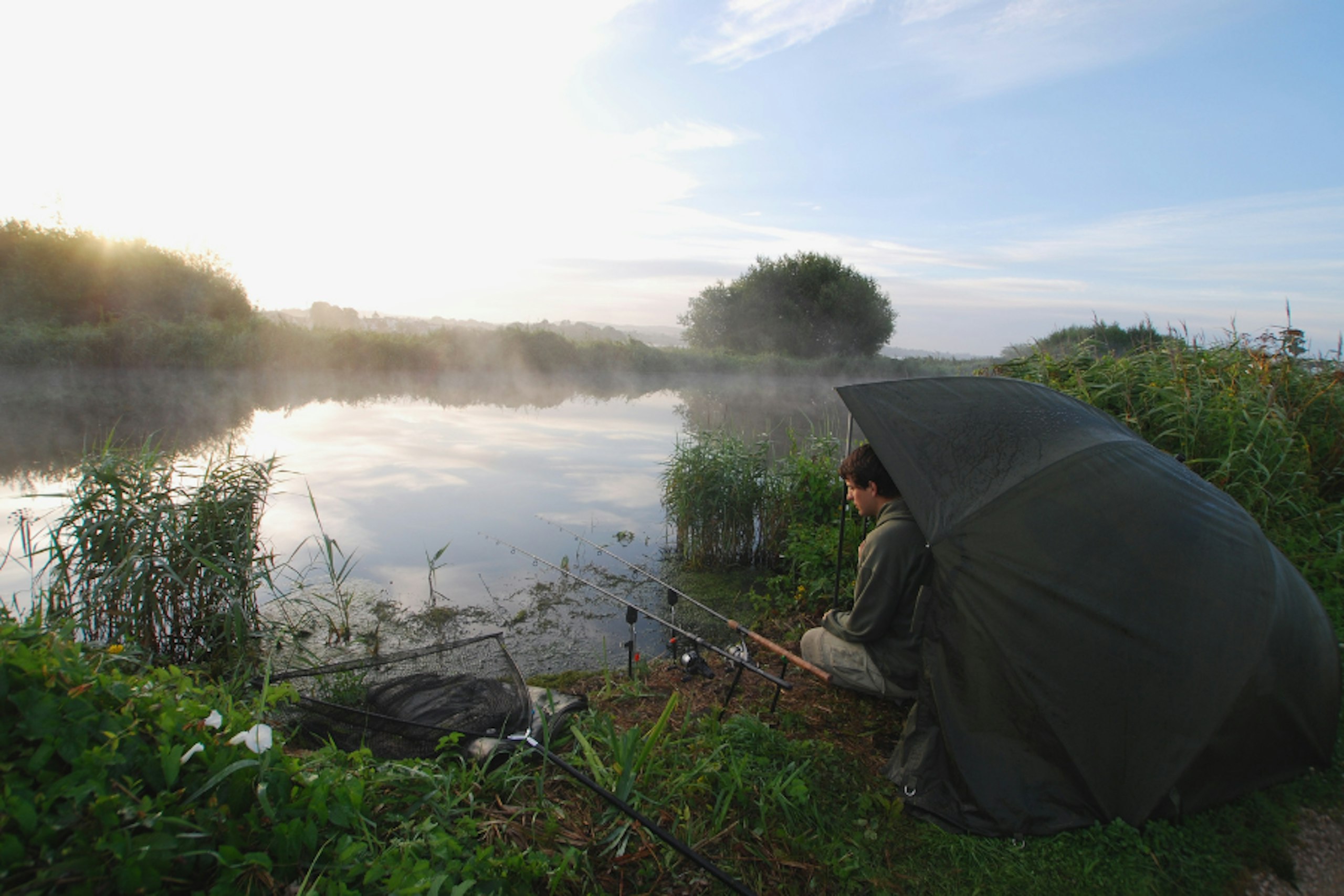
Chaos on the bank rarely leads to fish in the net. Keep your peg tidy, rods positioned securely, unhooking mat and landing net to hand. A tidy, orderly setup means you can react instantly when the alarm sounds. Preparation doesn’t just save time - it lands more fish too.
THE BEST BUDGET BIVVIES WILL HELP KEEP YOU COMFORTABLE ON THE BANK FOR LESS.
Just so you know, we may receive a commission or other compensation from the links on this website - read why you should trust us