- Home|
- Advice|
- Beginners
Lure fishing jargon buster | We decode every term
From crankbaits and jerkbaits to sink rates and retrieves, we decode some of the key terms

by James Furness |
Published on7th February 2026 at 10.00am
Follow Angling Times on Google
Walk into any tackle shop, scroll through social media or listen to lure anglers chatting on the bank and it won’t take long before you witness phrases that sound more like a foreign language than fishing terms.
‘Hard baits’, ‘soft plastics’, ‘Cheb rigs’ and ‘walking the dog’ – it can all be pretty confusing if you’re new to this arm of the sport.
This jargon buster breaks down some of the most common words and phrases you’re likely to encounter, explaining what they actually mean in plain English.
IF YOU WANT TO START LURE FISHING, HERE IS OUR BEGINNERS GUIDE...

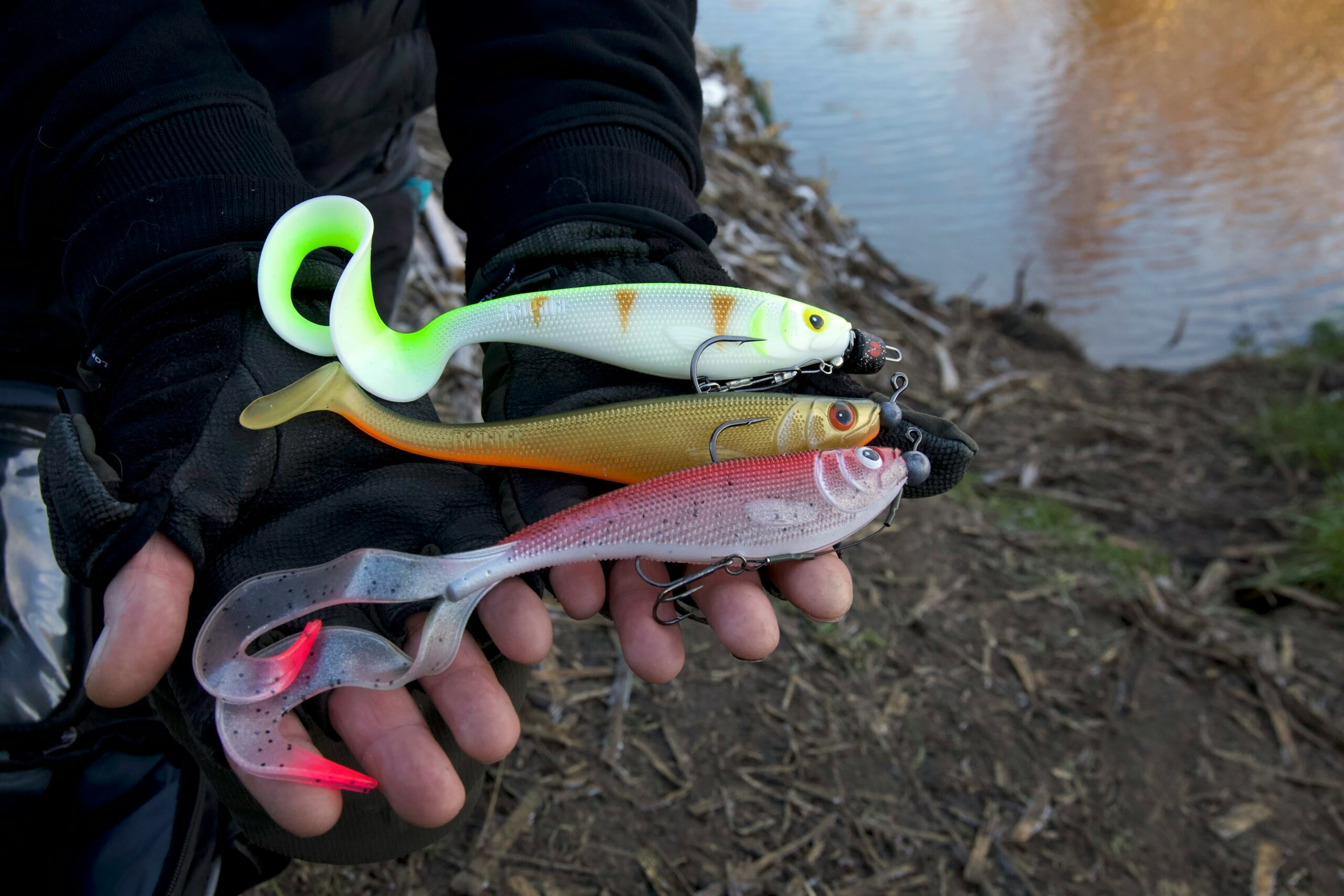
Hard baits and soft plastics
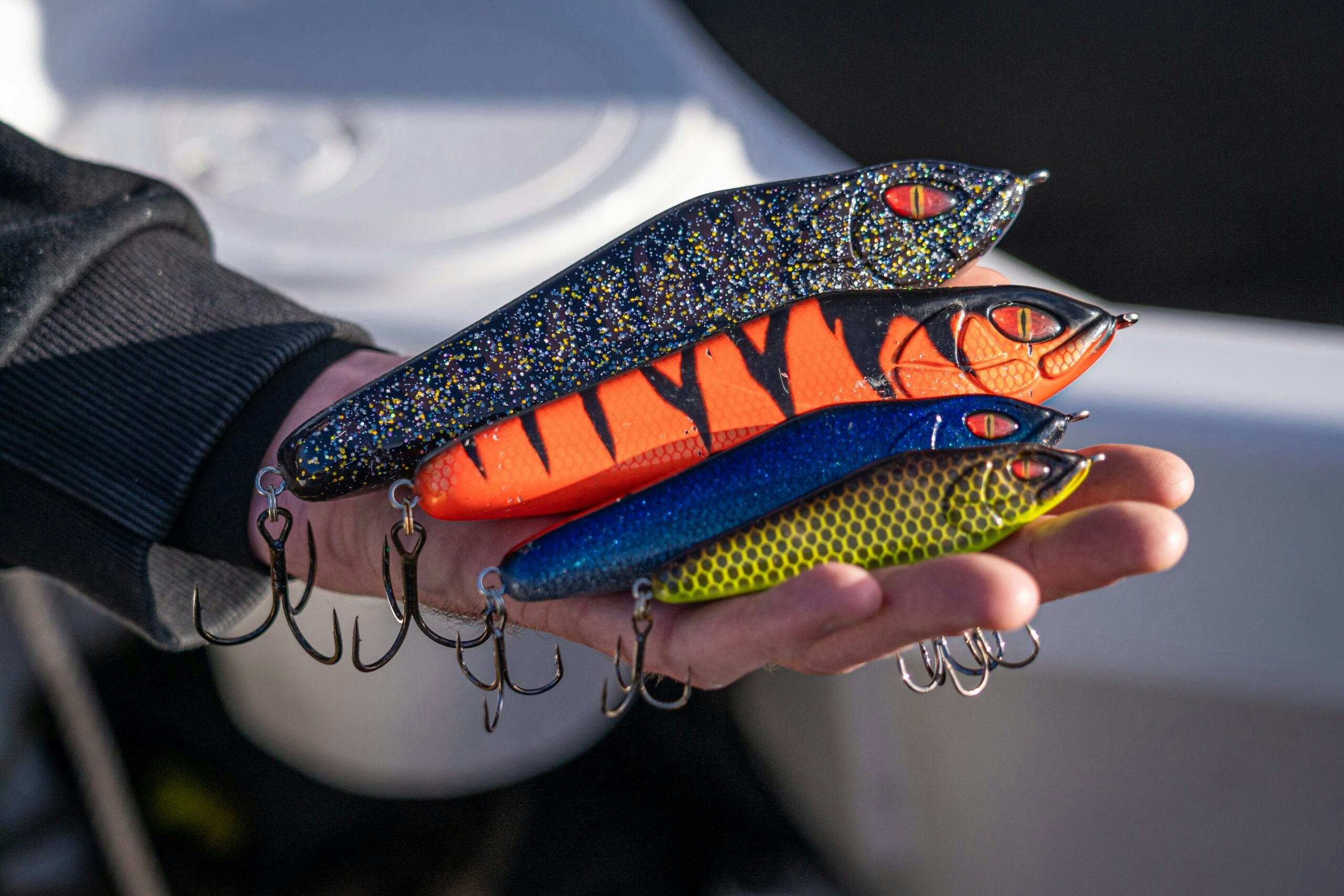
This is the most basic split in lure fishing. Hard baits are solid lures, usually made from plastic or wood, such as crankbaits, jerkbaits and surface lures (‘poppers’).
Soft plastics are flexible, rubber lures such as shads, worms and creature baits, often fished on jig heads or weedless rigs. Soft plastics tend to feel more natural to predators, while hard baits usually offer more vibration and visual attraction.
WE EXPLAIN HOW TO RIG YOUR LURES CORRECTLY EVERY TIME!
Crankbait
A hard lure with a diving lip on the front end. When retrieved, that lip forces the lure down to a set depth, while giving it a wobbling action. Different crankbaits are designed to dive shallow, mid-depth or deep, so knowing which type you’re fishing is key.
Topwater/surface lures
These are designed to stay on or just under the surface. They include ‘poppers’, frogs and stickbaits. Surface fishing is often the most exciting form of working a lure, and is particularly effective for species like chub during the warmer months.
Walking the dog
Despite the name, no lead is required! ‘Walking the dog’ describes the side-to-side zig-zag action created when you twitch a surface lure as you retrieve it. It’s a skill worth learning, especially for summer perch and pike.
Jerkbait
Long, slim, hard lures designed to be worked with sharp twitches of the rod-tip rather than a steady retrieve. Each ‘jerk’ makes the lure darts sideways, imitating an injured baitfish – often deadly for pike and perch.
THE BEST LURE FISHING RODS WILL HELP YOU WORK ANY LURE TO ITS FULL POTENTIAL.
Weedless
A weedless rig hides the hookpoint within the body of a soft plastic, allowing you to fish through weed, snags and other forms of cover without constantly getting snagged. It’s an ideal method for fishing canals, rivers and overgrown stillwaters.
Retrieve
This simply means how you wind the lure back in. A retrieve can be steady, stop-start, fast, slow, twitchy or erratic. Changing your retrieve style is often more important than changing your lure.
Sink rate
This refers to how fast a lure sinks when you stop retrieving it. Some lures float, some sink, while others ‘suspend’ (hover at a set depth). Sink rate is important when fish are holding at a specific depth or are reluctant to chase.
Jig head
A weighted hook, usually with a round or fish-shaped head, used when working with soft plastics. The weight determines how fast the lure sinks and how deep it fishes.
LURE FISHING FOR ZANDER IS BECOMING VERY POPULAR, FIND OUT HOW TO CATCH ONE HERE...
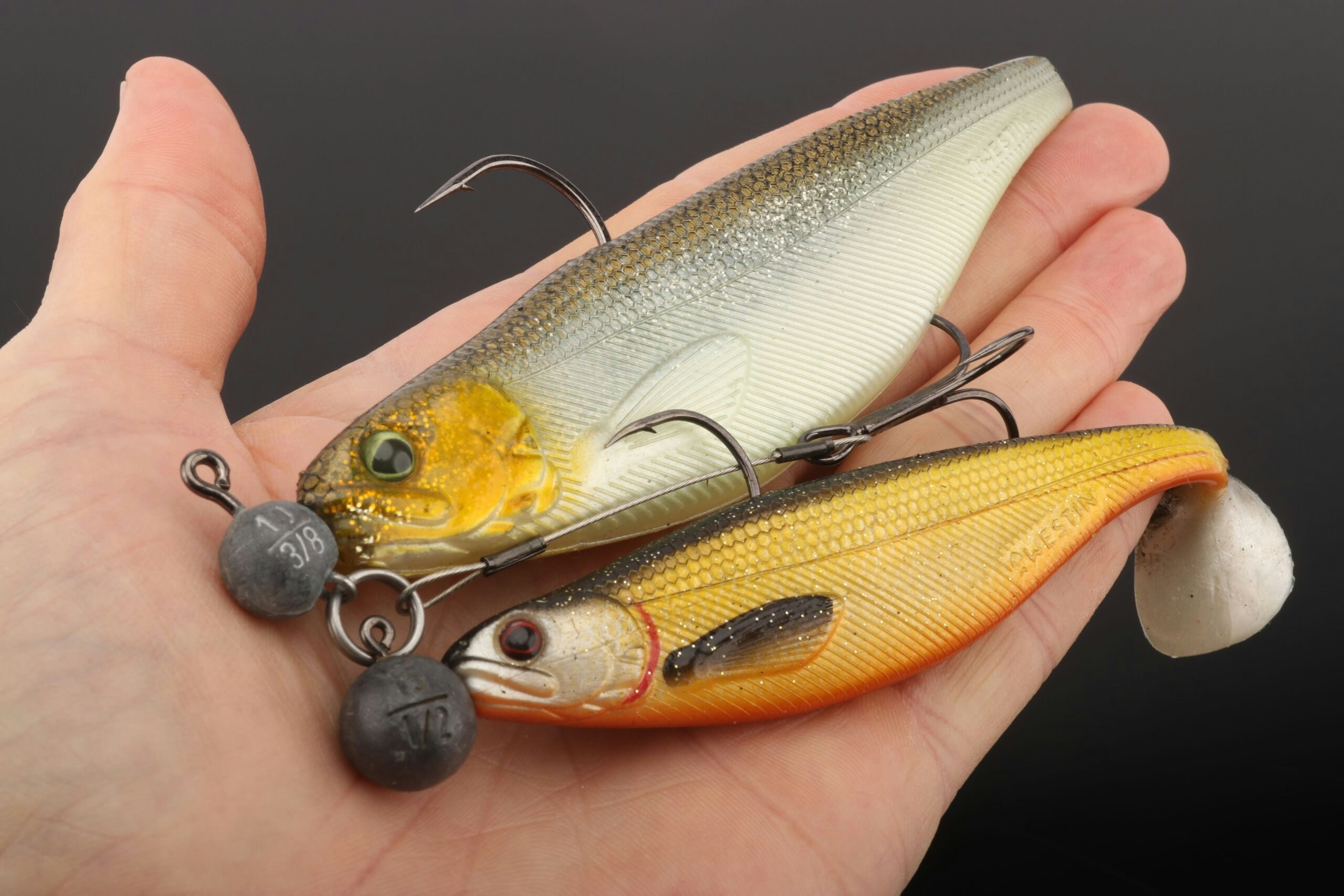
Figure-of-eight
Borrowed from fly fishing, this is a finishing manoeuvre used mainly in pike fishing. Before lifting the lure out of the water, you move it in a figure-of-eight pattern under your feet to tempt any following fish into striking.
Texas rig
A weedless way of fishing soft plastic lures. The hookpoint is buried back into the body of the lure, which allows it to slide through weed, reeds and snags. A small bullet-shaped weight is threaded on to the line above the hook, helping the lure sink while still ensuring that it has a natural, subtle action.
Carolina rig
Similar to a Texas rig, but with the weight positioned further up the line rather than directly by the hook. This creates a separation between the weight and the lure, allowing the soft plastic to move more freely and hover just above the bottom.
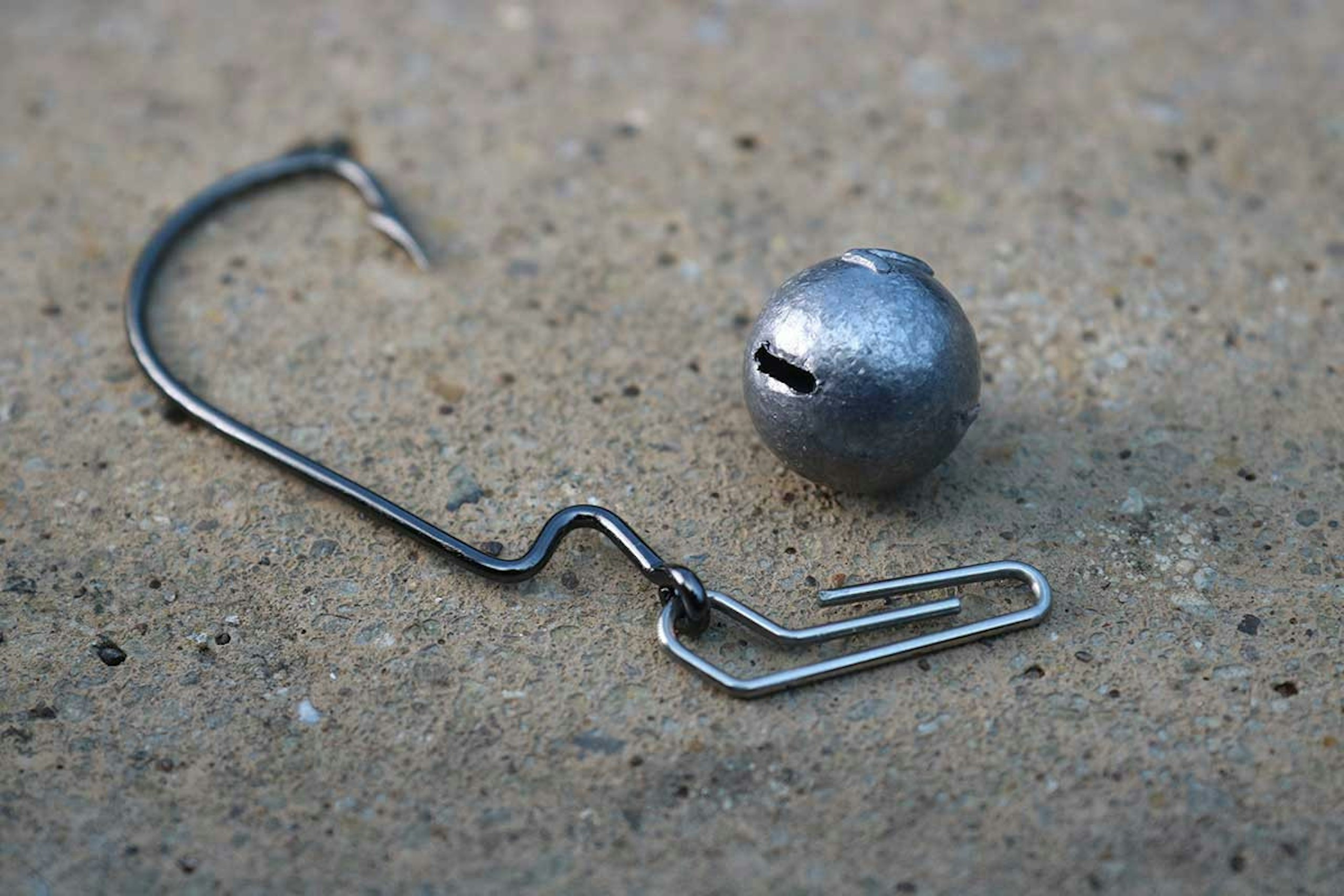
Cheb rig
Short for ‘Cheburashka’, a Cheb rig uses a detachable weight clipped on to a hook or offset hook. This gives soft plastics more movement than a fixed jig head, especially on the drop. The weight can be swapped to suit depth and flow without changing the hook, making it versatile for both rivers and stillwaters.
Just so you know, we may receive a commission or other compensation from the links on this website - read why you should trust us