- Home|
- Advice|
- Bait
Turn groundbait into perfect paste
One simple preparation trick creates a versatile hookbait that’s firm, attractive and easy to use
@Paul Garner
by Angling Times |
Published on2nd October 2026 at 2.21pm
Follow Angling Times on Google
Occasionally, we stumble across something completely by accident that is set to improve our fishing. This happened to me recently, and the result is a paste bait that I think will prove very useful to me in the future.
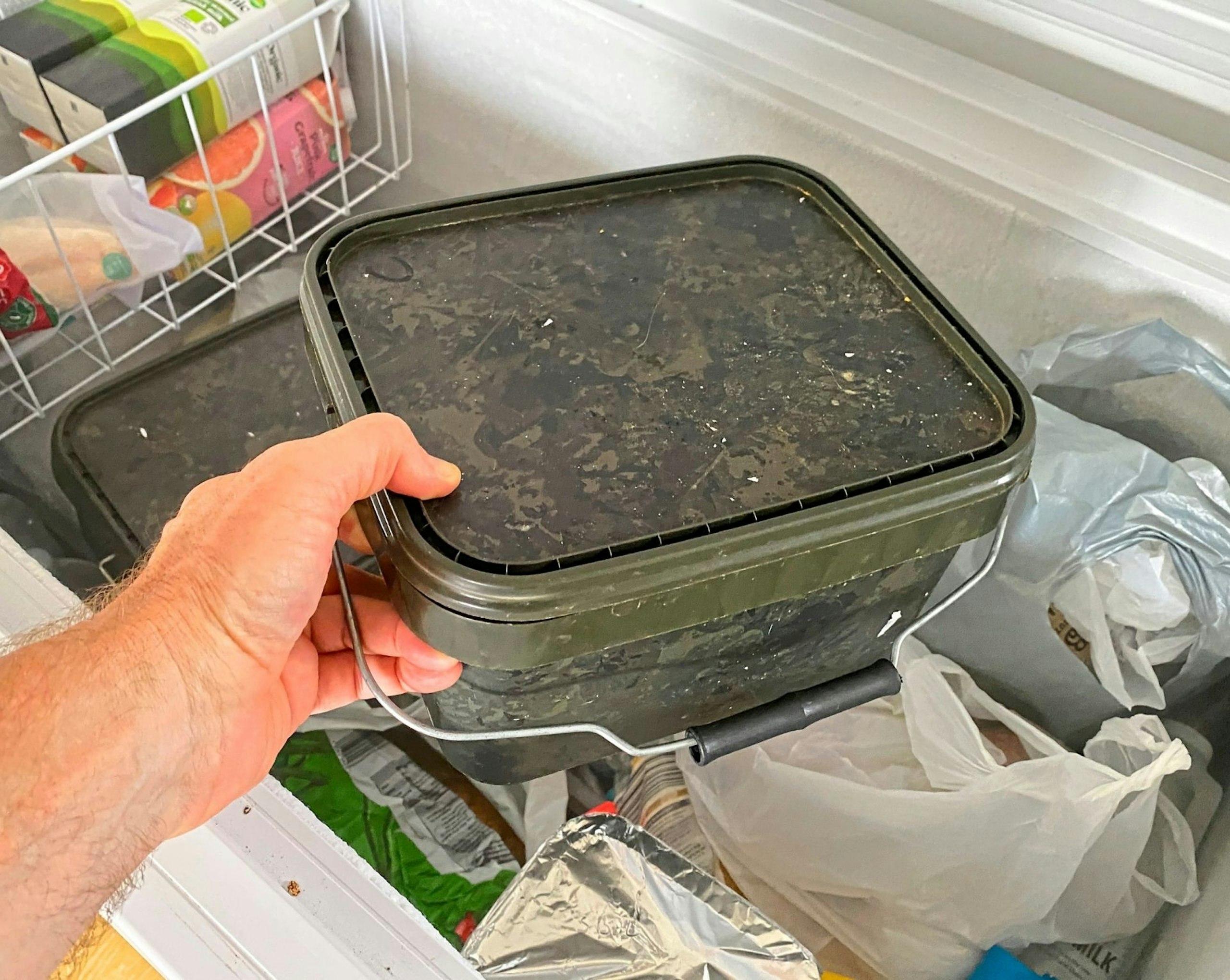
I had been spending a few evenings fishing a large local gravel pit for big bream, and because of the short four hour sessions, I found myself with a decent helping of krill groundbait still in my bait bucket at packing up time. Rather than waste expensive bait, I bagged up the Method mix groundbait and chucked it in the freezer, planning to use it on the following week’s evening session.
The day before my next trip I remembered to take the bait out of the freezer and left it in the garage to defrost, ready for the evening ahead. With the rods already clipped up, I simply had to put on a fresh hookbait and mould some groundbait around the feeder.
© Paul Garner
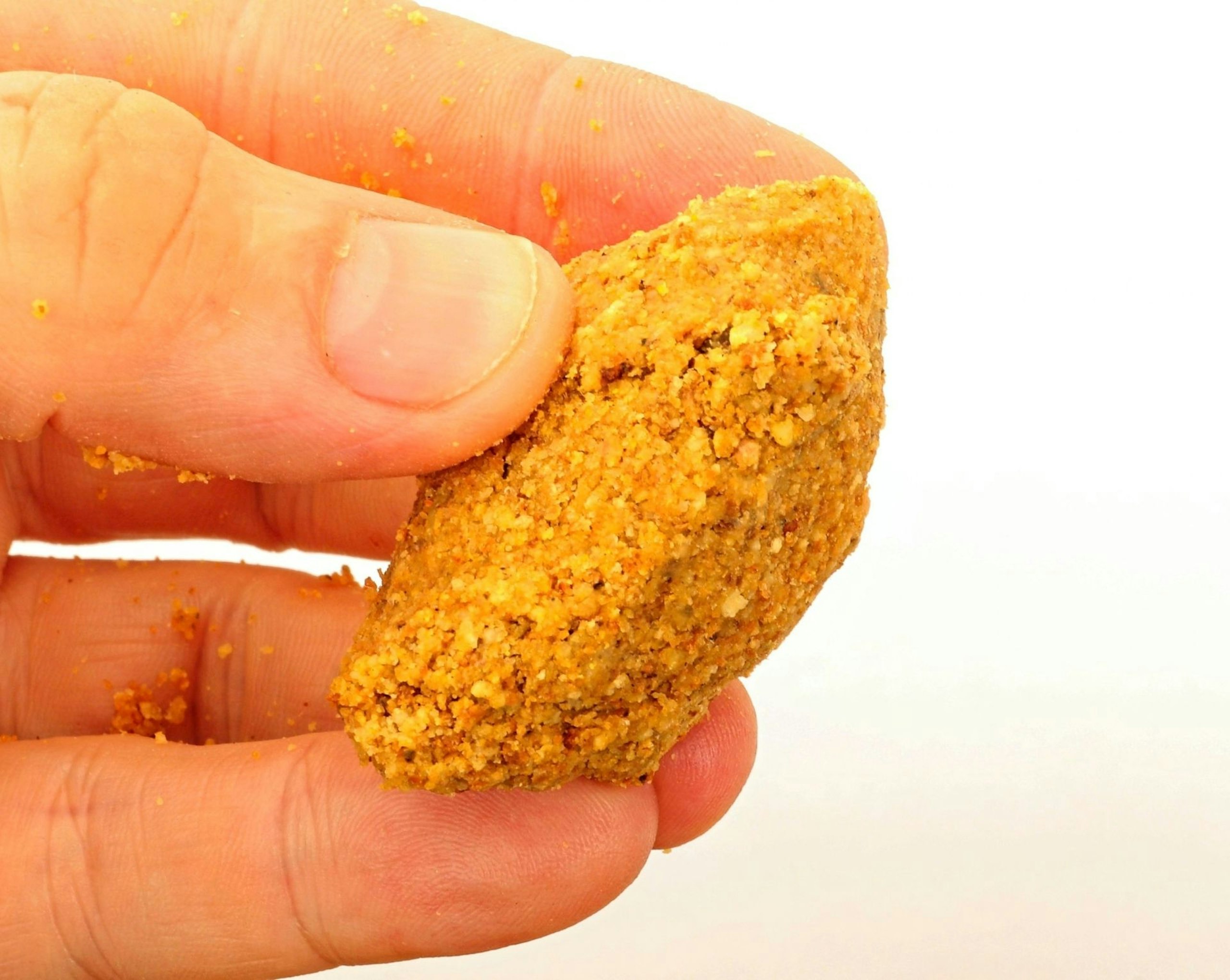
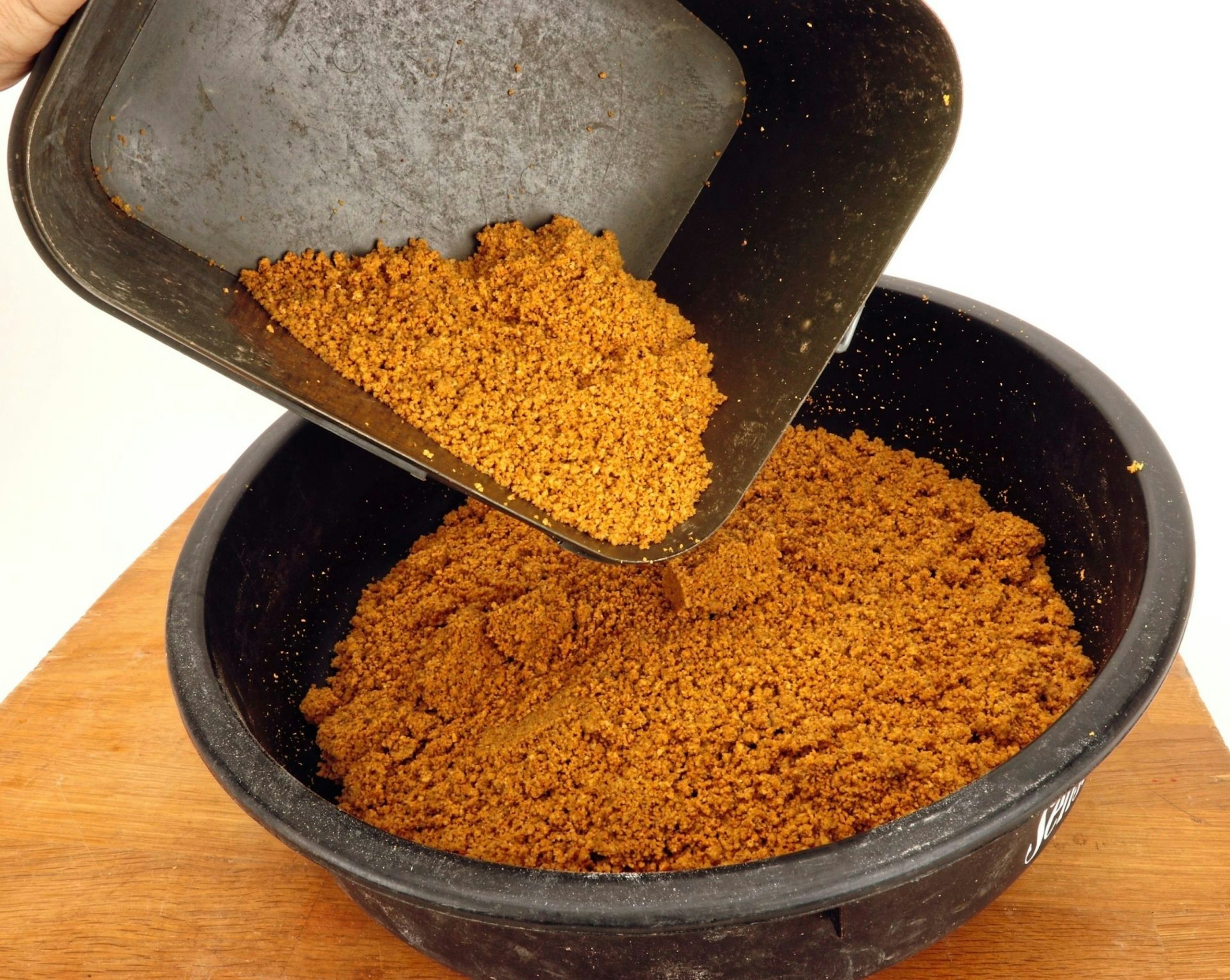
But there was a problem. The consistency of the groundbait had radically changed. Rather than being soft and fluffy, it had become much more paste-like, and the more I compressed and moulded it, the stickier and more compact it became. Freezing the bait, it transpired, had altered the make-up quite substantially.
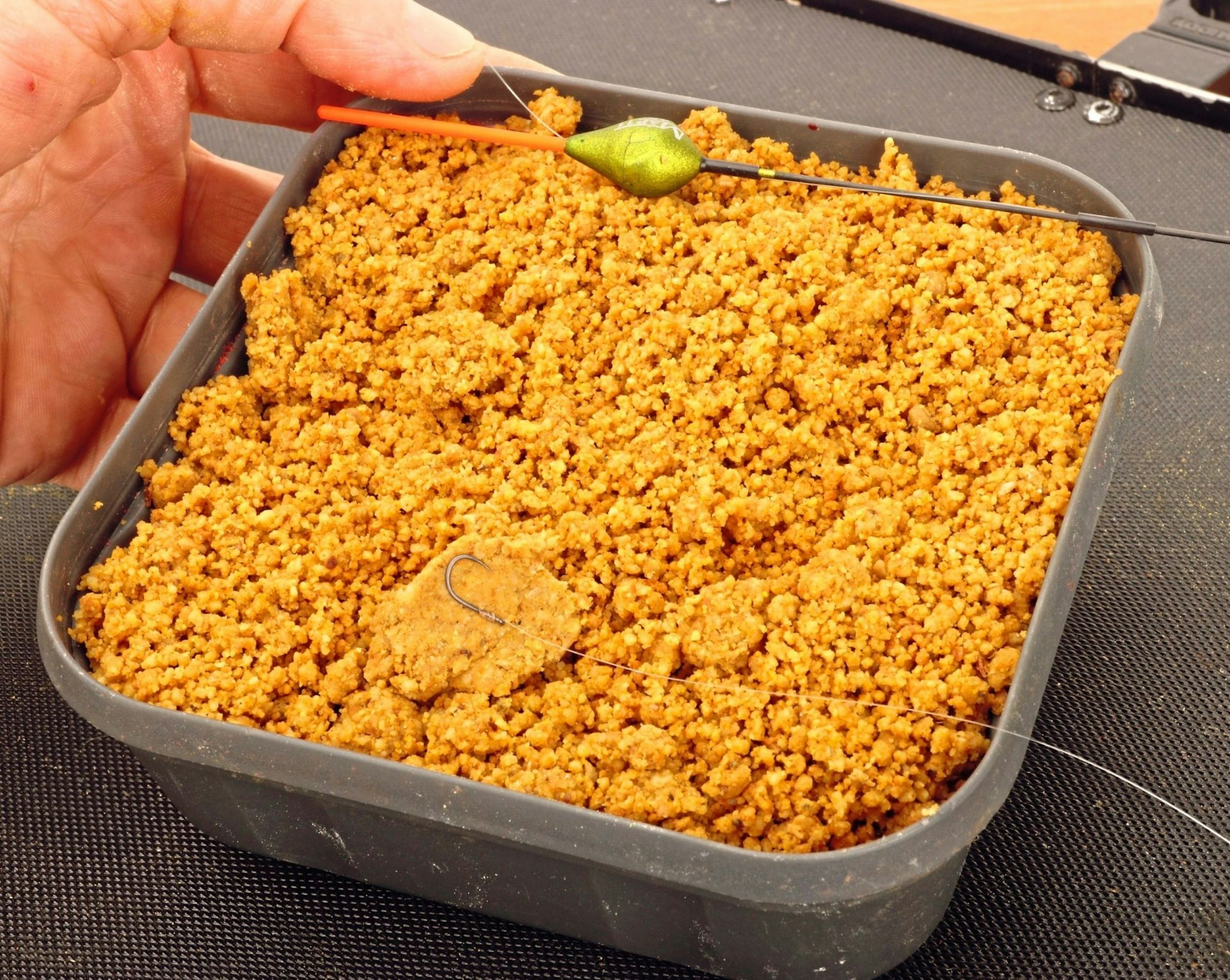
The groundbait still worked well enough – I simply left the hookbait dangling outside the ball of groundbait so that even if the bait took longer to break down, I’d still be fishing effectively. But this ‘mistake’ did get the old grey matter working and galvanised me to experiment more to see what was really going on.
Inadvertently, it appeared that I had stumbled across an interesting phenomenon and had made a brilliant paste bait quite by accident!
FREEZING GROUNDBAIT
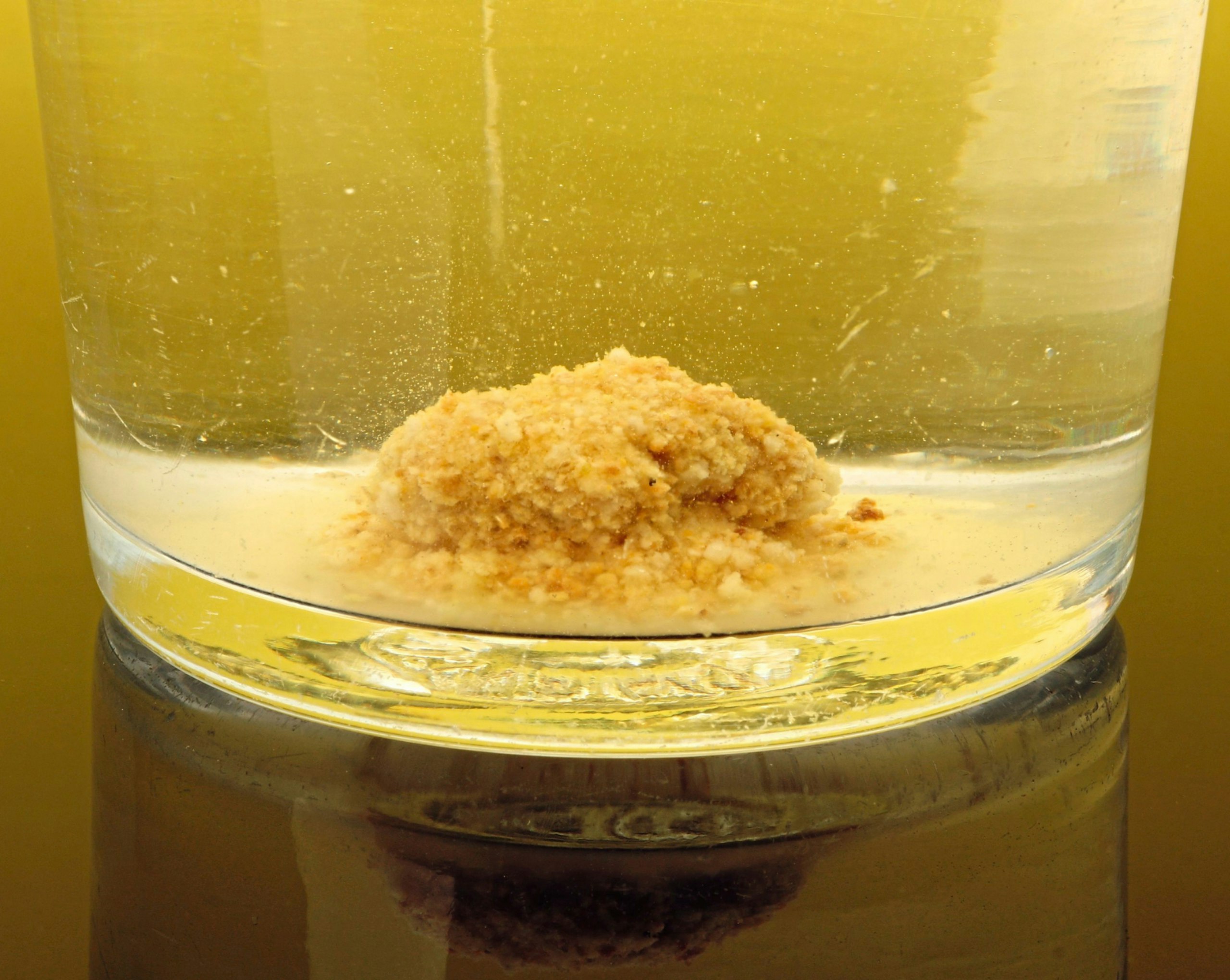
Freezing not only extends the life of baits by almost stopping decomposition, but it can also effect the hydration. When a bait is frozen, ice crystals form in and around the particles of bait and when it is thawed out I believe that the liquid is drawn deep into every particle. The result is a much heavier, stodgier, and stickier mix compared to what we started out with, despite no additional liquid being added.
It is the freezing and thawing process that alters the groundbait, but if we keep the bait frozen for too long then moisture can eventually be drawn out as the bait slowly dehydrates – something we commonly see as ‘freezer burn’. A short, sharp freeze of up to a month is probably best for our purposes.
You can achieve something similar simply by mixing groundbait and then leaving it in an airtight tub for a couple of days. The results, though, are less consistent and we need to be careful that the groundbait doesn’t spoil.
QUICK TIP
© Paul Garner
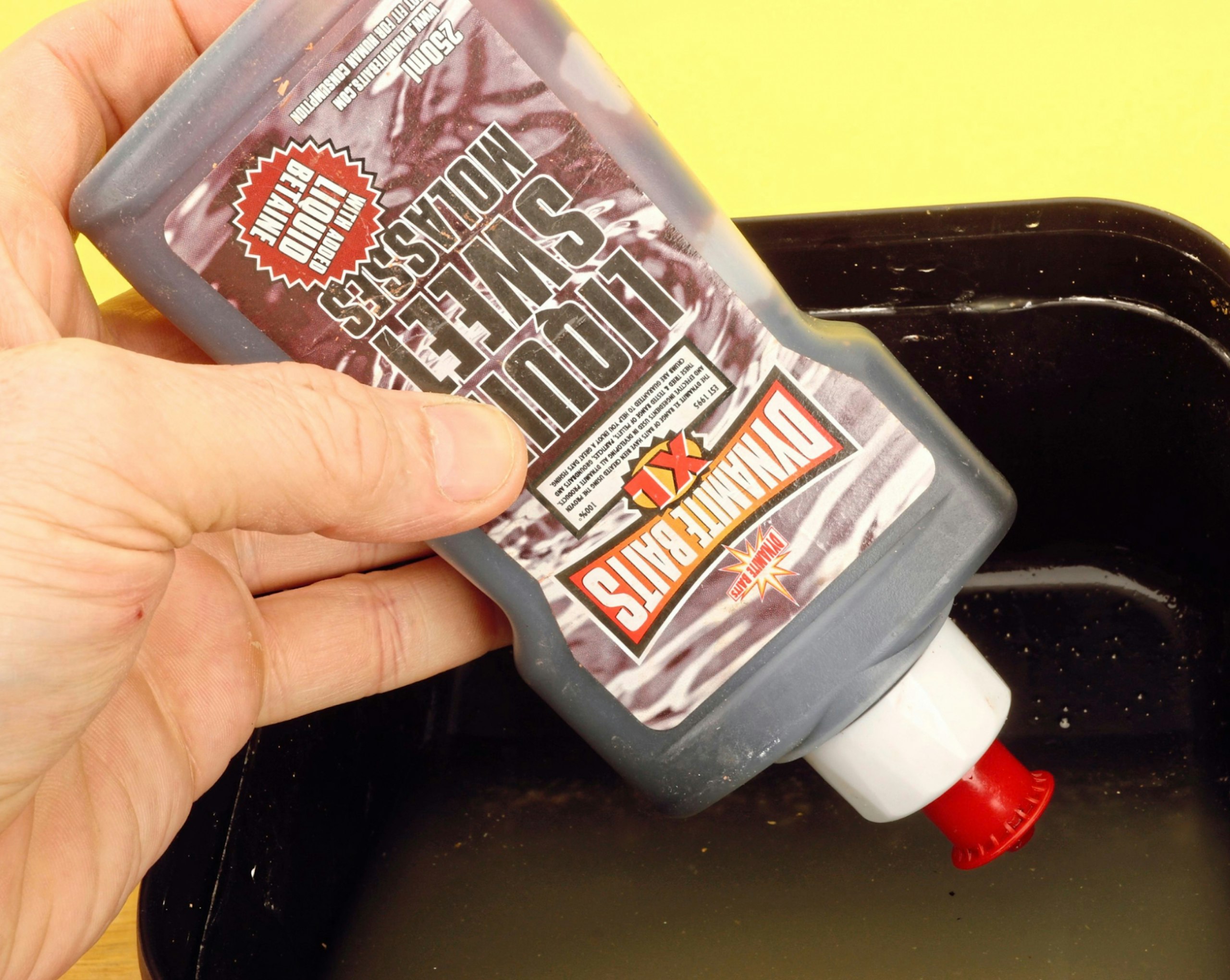
SIMPLE additives, like molasses, can be added to give a sweeter paste that might be more palatable.
WHAT TYPES OF GROUNDBAIT?
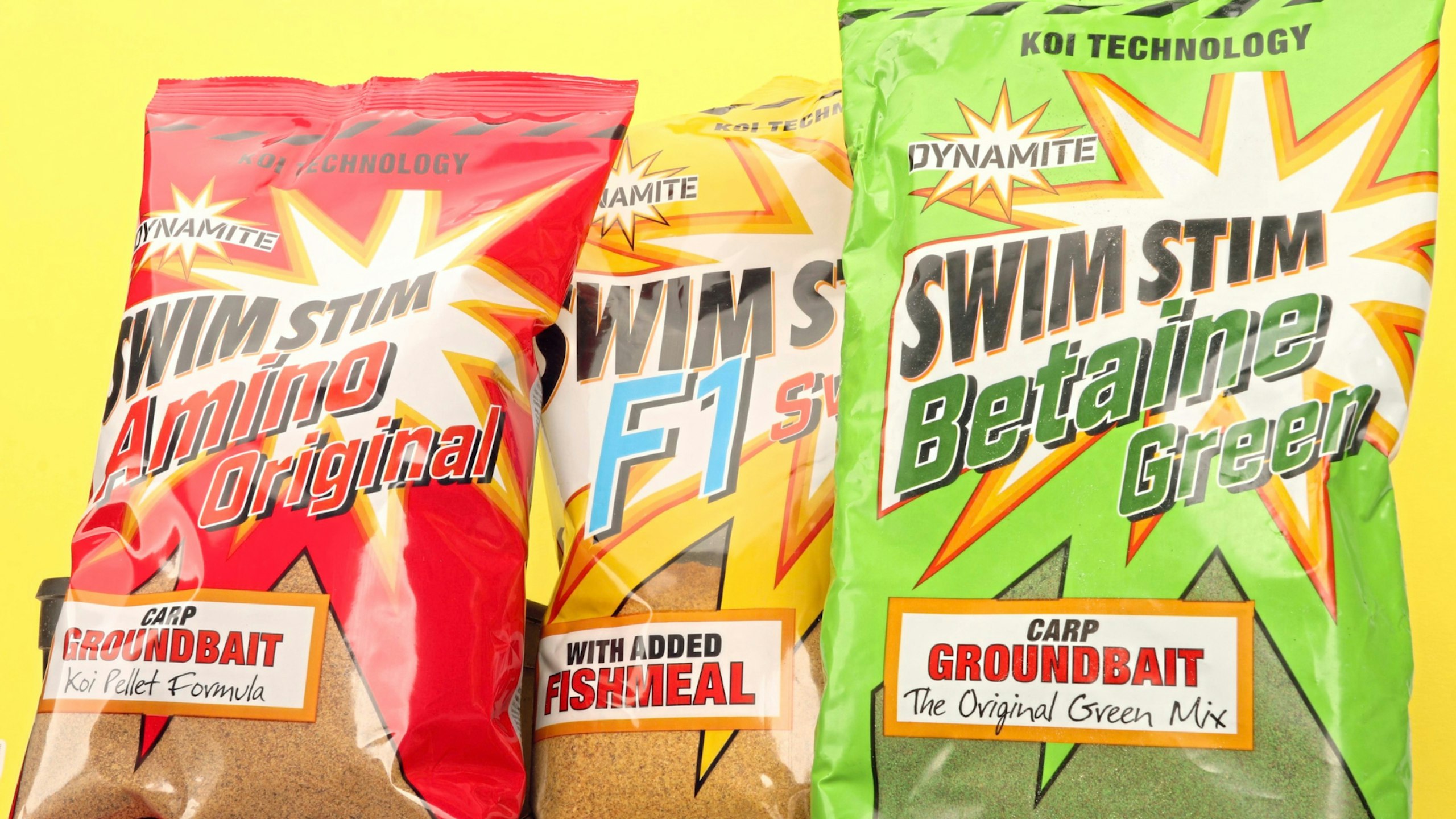
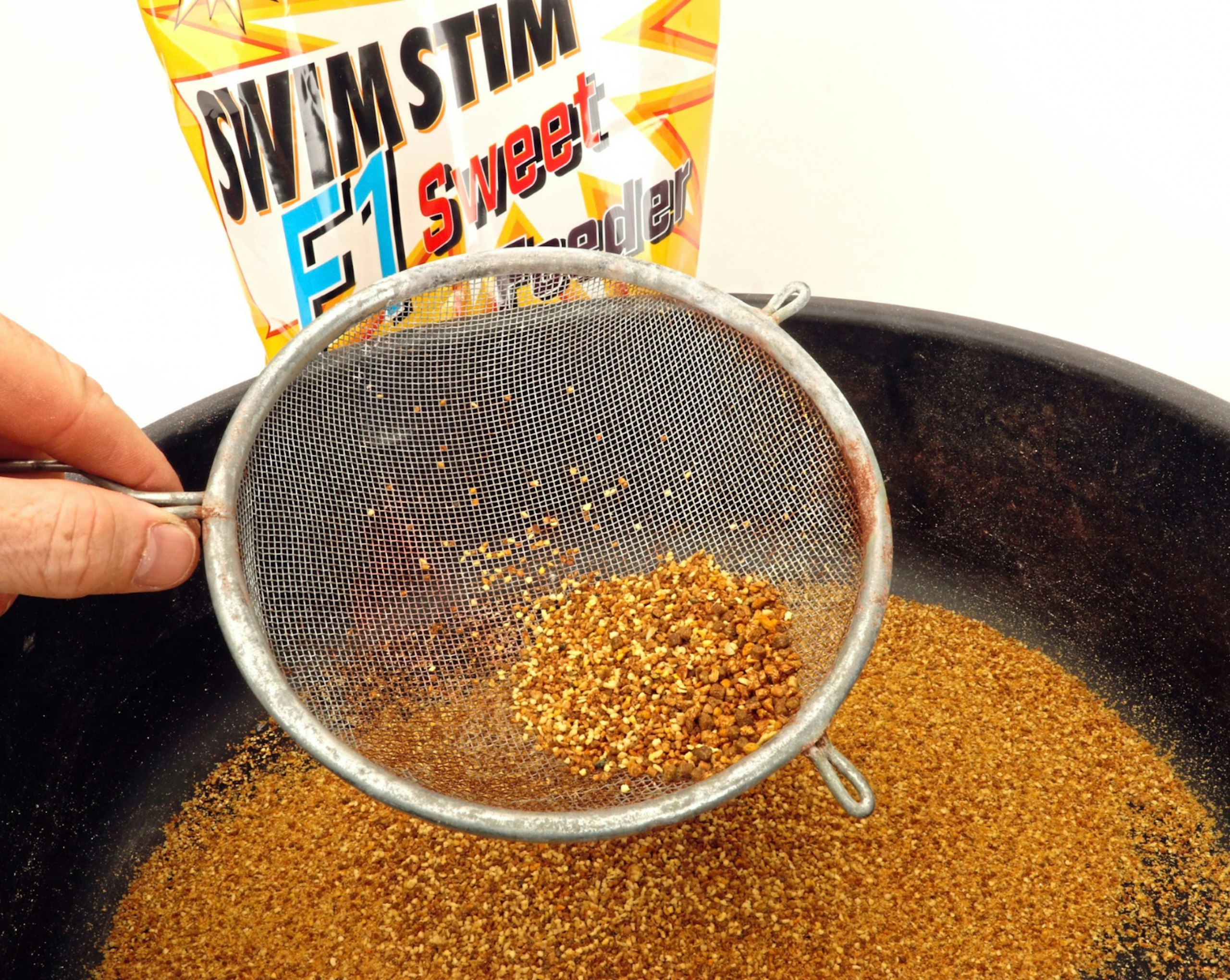
Method feeder groundbaits work very well with this bait preparation. These mixes are already quite sticky and can absorb a lot of liquid. I tend to sieve the groundbait before wetting it to remove any larger particles to give a smoother finished paste.
Other groundbaits with a higher percentage of crumb can also be used, and I would encourage you to experiment with your favourite mixes.
Many Method groundbaits are loaded with attractants and flavourings, so there is little need to add any additional additives.
I may add a dash of liquid molasses or perhaps half a teaspoonful of Fish Gutz liquid attractor, but these are completely optional.
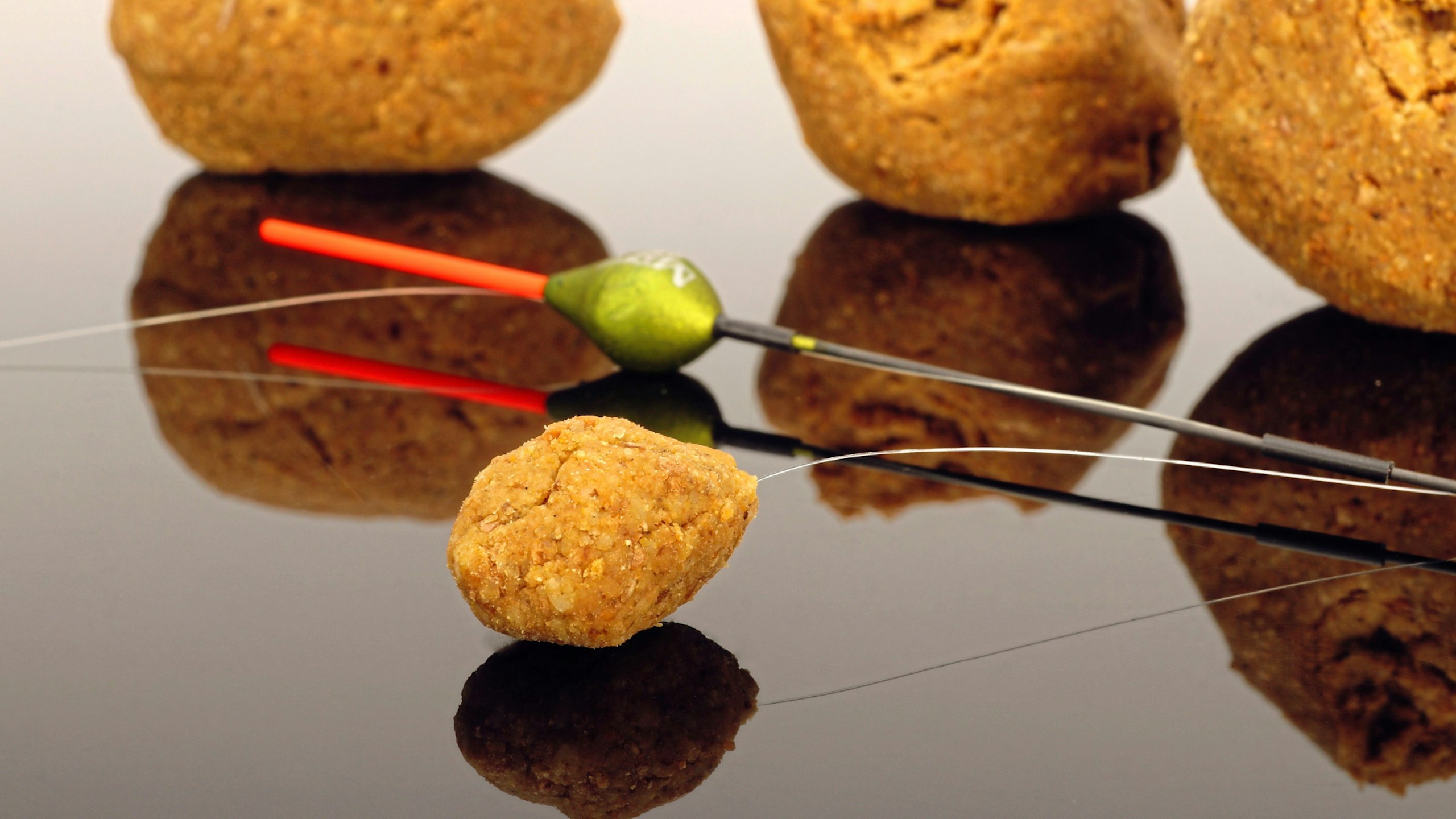
The result is a bait that will not only be great for carp, but many other species too. Think crucians, tench and bream on mixed fisheries, or chub and barbel in rivers. I am looking forward to trying a cheese and garlic-flavoured groundbait paste made this way later in the year for chub on my local rivers, as the consistency should be perfect.
© Paul Garner
One final point I should mention. If you want a really soft groundbait paste then this method is not for you, as the bait will be far too firm.
If, like me, you generally want a paste that will stay on the hook reasonably well, but break down quite fast, then this bait is perfect.
Whether you want to fish paste on the hook, or mould it around a boilie, then this sticky groundbait paste is well worth trying out.
Large bags of groundbait will make up enough paste for several trips, so I tend to make it up in smaller batches until I get the consistency just right and then make the rest up into handy sized session packs.
If you are looking for an easy to make, very effective and user-friendly paste bait, then why not give this one a try?
TEN-MINUTE MAKE
Making this is really no more difficult than mixing groundbait, but it takes a little patience. Once mastered, you can make up several batches and keep them in the freezer until they are to be used.
- Use a flour sieve to remove any larger lumps from the dry groundbait mix.
© Paul Garner
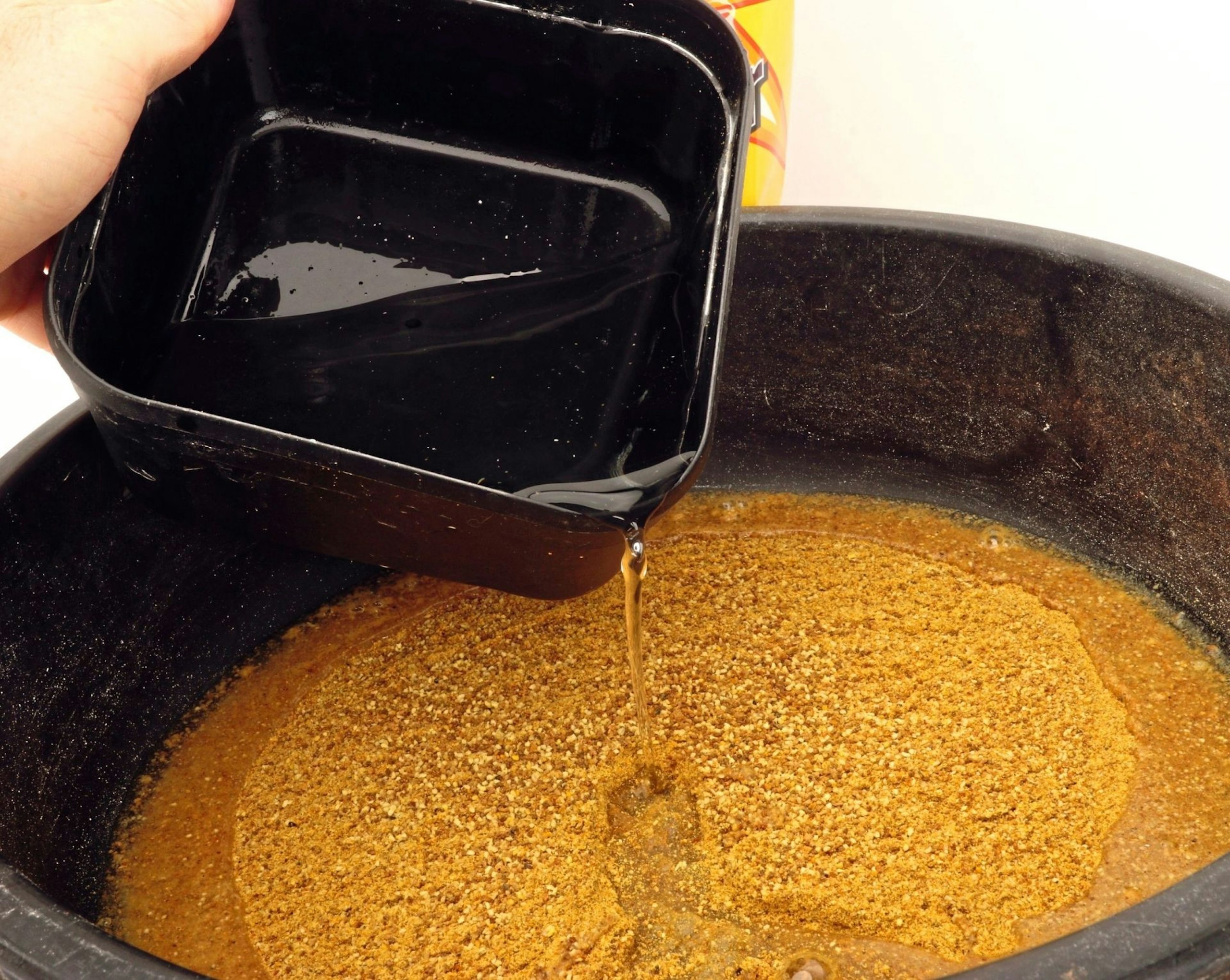
2. Slowly add some water to the groundbait in a large mixing bowl.
© Paul Garner
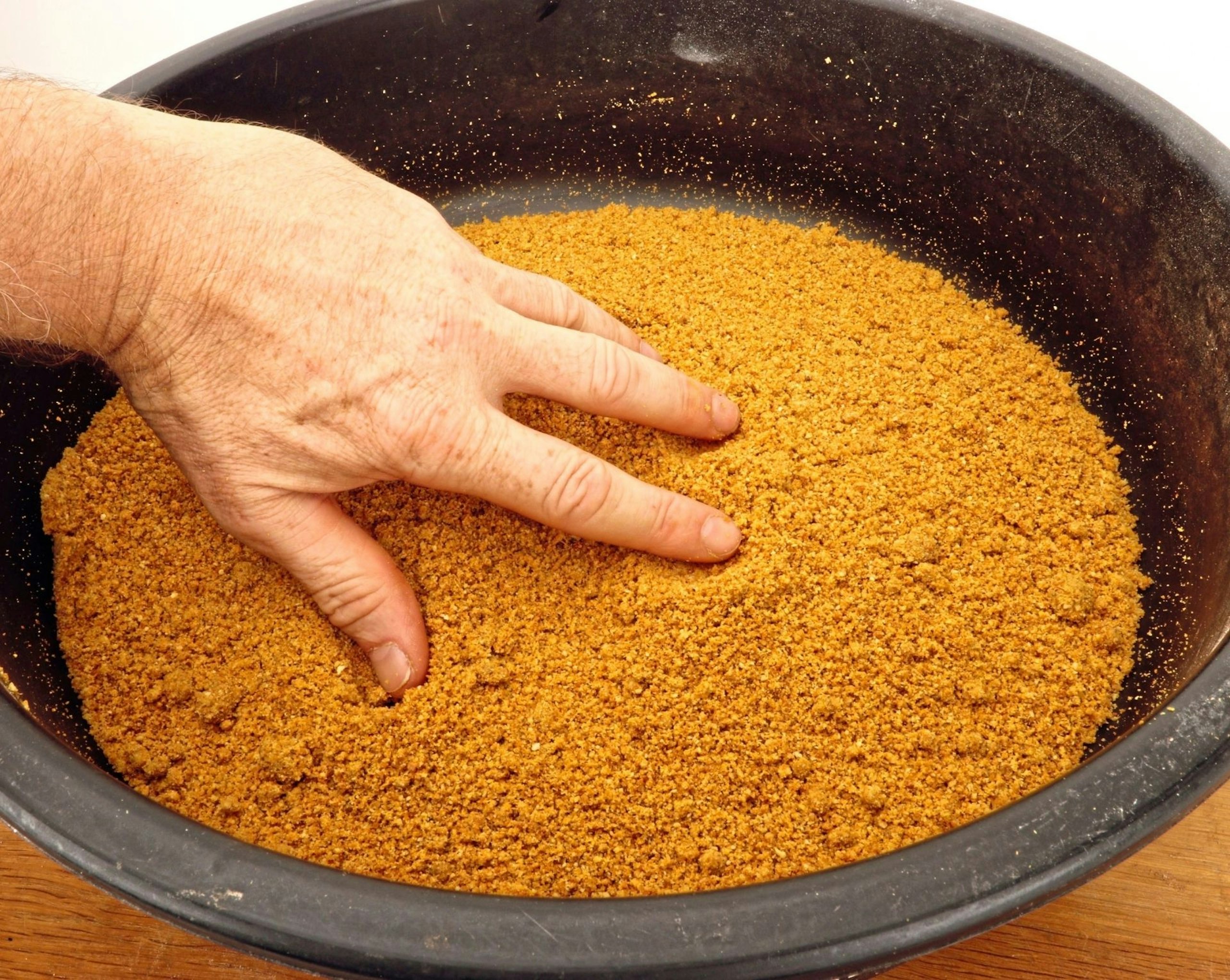
3. Mix well, slowly adding more liquid as required.
© Paul Garner
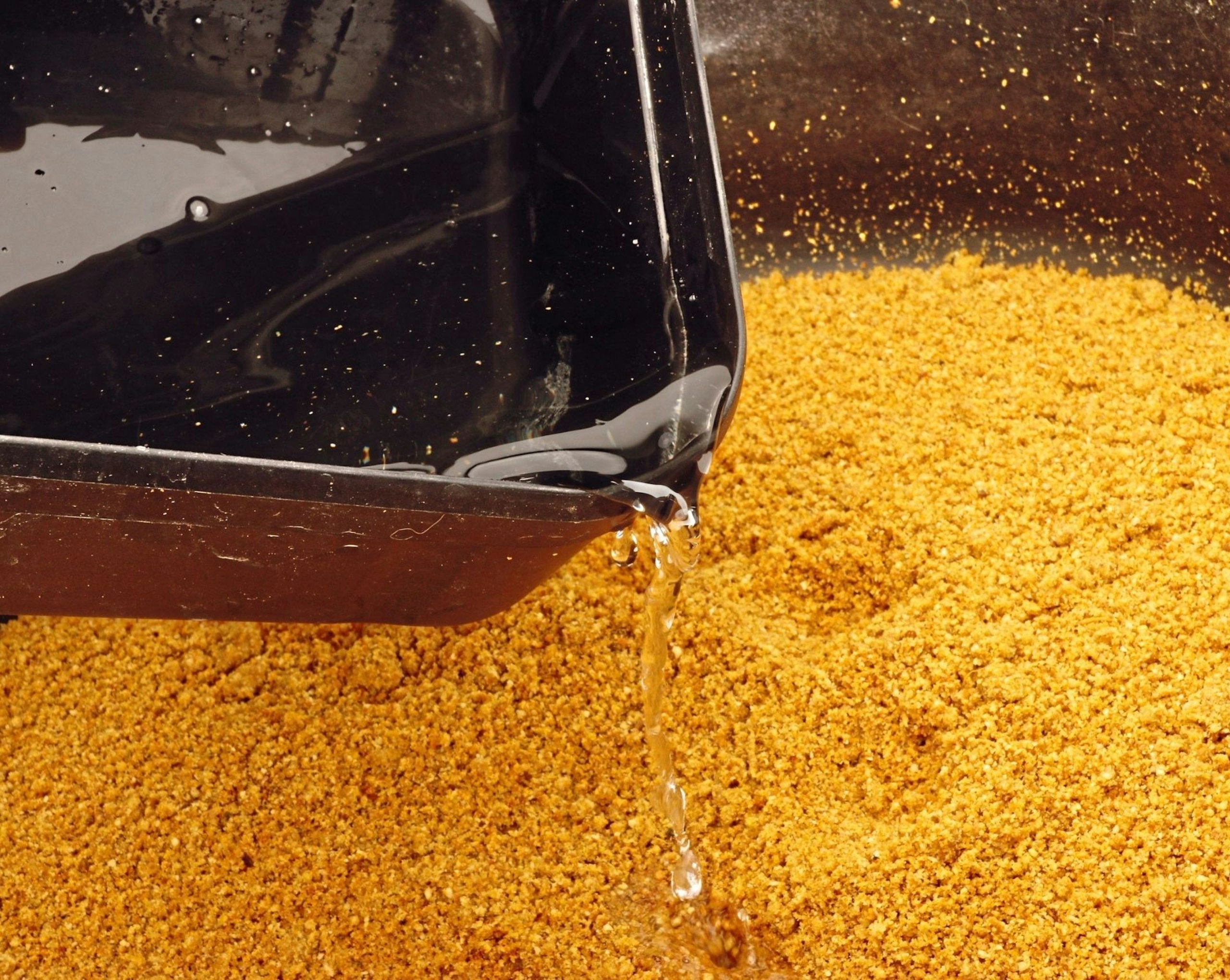
4. Leave the mix for 10 minutes, then add a little more water.
© Paul Garner
5. Aim for a mix that is slightly stickier than you would use on a Method feeder.
© Paul Garner
6. Now put the groundbait in an airtight tub and place it in the freezer.
© Paul Garner
7. After a minimum of two days, preferably more, it’s time to defrost the groundbait.
© Paul Garner
8. When fishing I store the groundbait in an airtight one-pint tub to keep it fresh.
© Paul Garner
Just so you know, we may receive a commission or other compensation from the links on this website - read why you should trust us