- Home|
- Advice|
- Bait
Make your deadbaits irresistible to pike
These simple tips will help elevate your deadbaits!

by Aidan Bordiuk |
Updated on26th January 2026 at 12.03pm
Follow Angling Times on Google
As effective as a deadbait is in its natural state at catching pike, there are certainly ways to enhance their appeal. Just like with any other fishing bait, adding liquids, oils, and colourings can boost both the scent and visual attraction.
This can be particularly beneficial on tougher days or at venues where the pike are heavily pressured, potentially resulting in a pick-up you might not receive with a deadbait straight out of the bag. This guide aims to help your baits stand out from the rest, putting more pike on the bank for you!
Add some colour!
There are various bait dyes, food colourings, and liquids on the market designed to transform the colour of your bait. Simply place your chosen deadbaits into a bag, add a few drops of liquid (or follow the manufacturer’s recommendations), and leave them in the fridge overnight to absorb the colour, ready for your session. This will ensure it doesn't wash off when cast out!
You can also colour your baits before freezing them, but generally, the best approach is to colour them 24 hours before use for the most vivid results, as freezing can dull the dye. From our experience, the most effective colours are red, yellow, and orange, though it’s always worth experimenting as water clarity and venue all play a role in determining what is best.
USING DEADBAITS REQUIRES SPECIALIST GEAR, CHECK OUT OUR BUYER'S GUIDE TO THE BEST PIKE RODS.
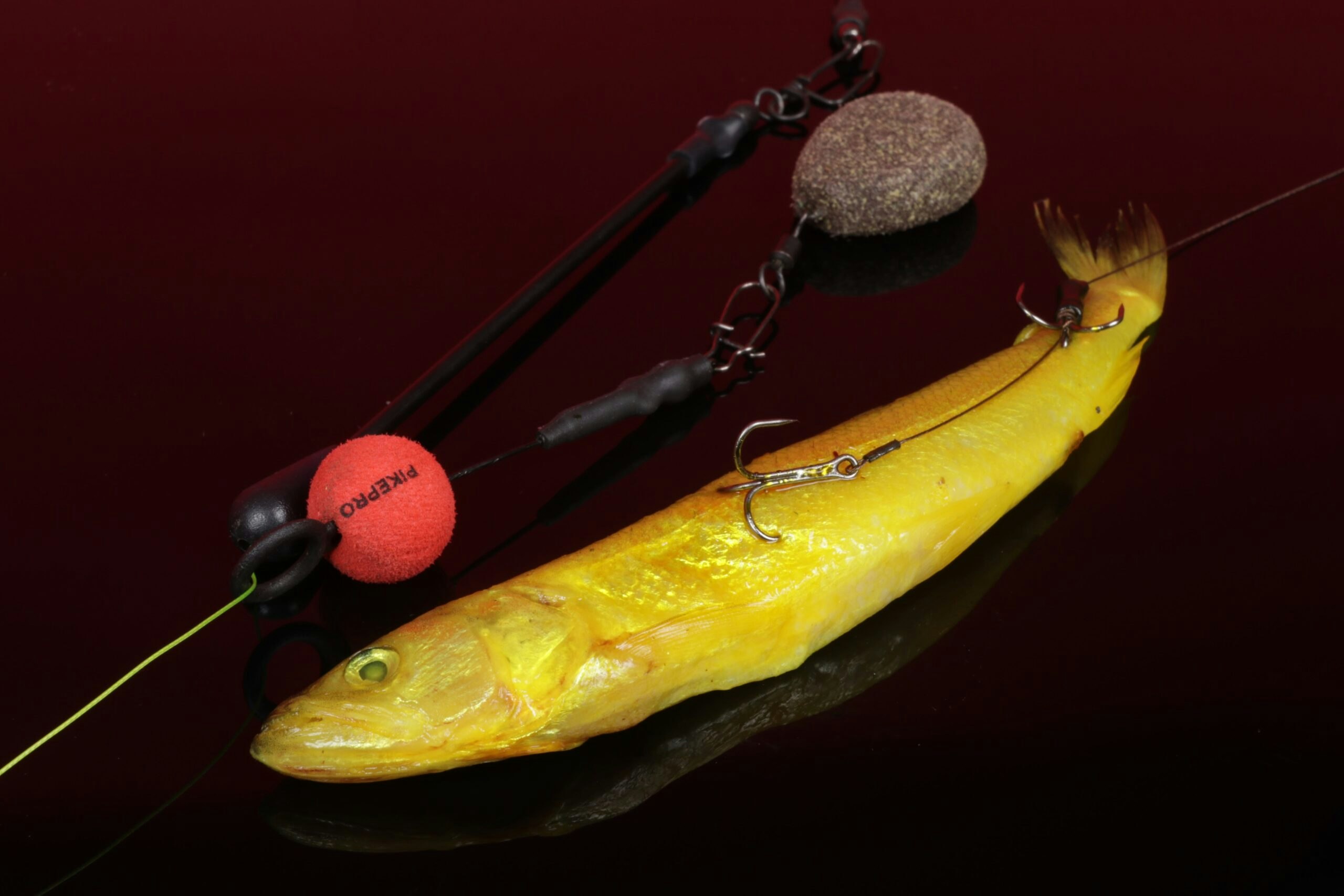
Make your deadbait stand out by adding some colour
Defrost your baits
With water temperatures often just above freezing, one of the simplest, yet most important, things you can do is to thaw out your deadbaits before casting them out.
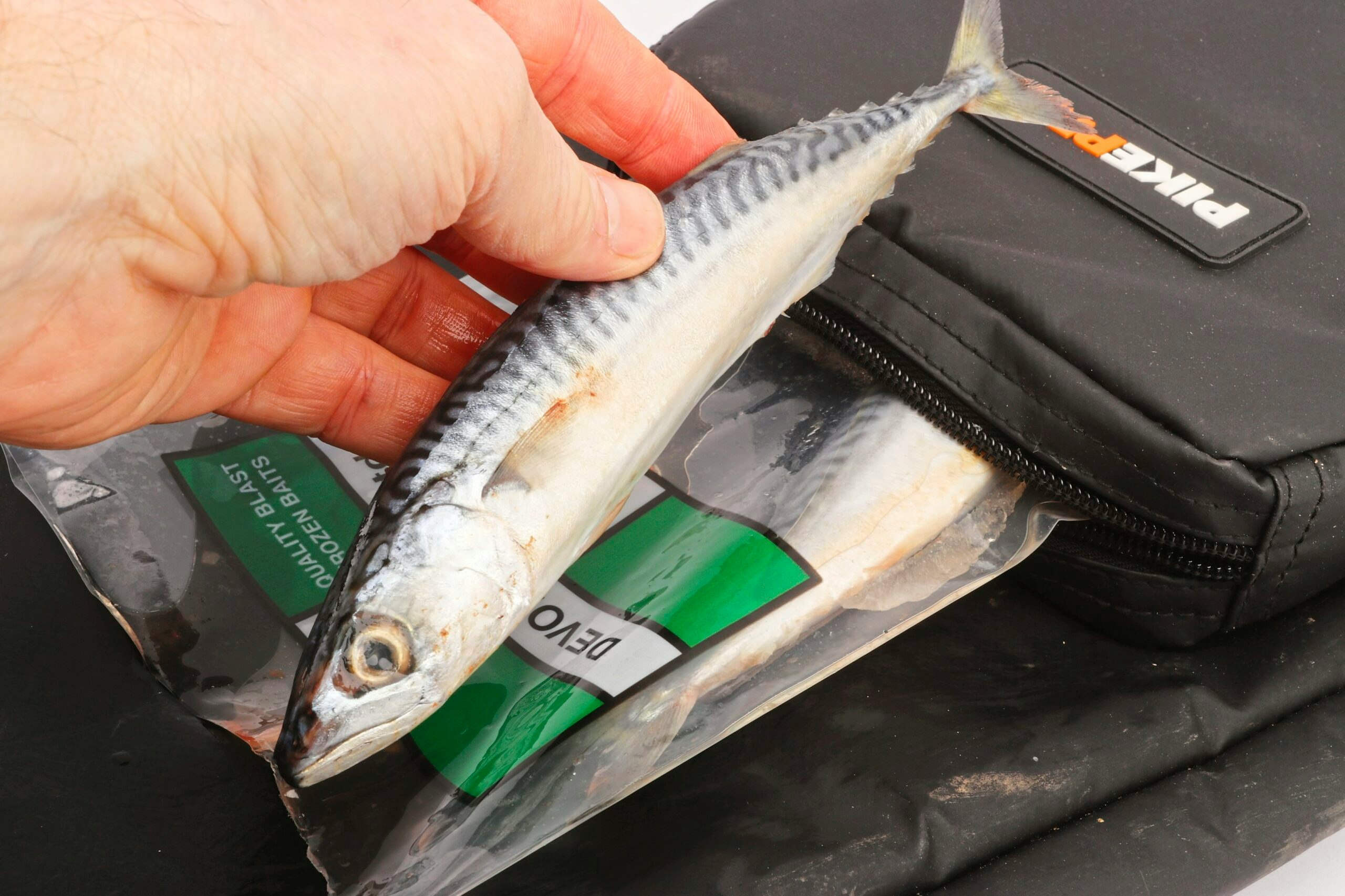
I do this by taking a couple of baits out of my cool pouch and putting them in a sandwich bag so they don’t dry out. This is important for a couple of reasons. Frozen baits will often float for a time before they thaw out, and I could be inadvertently fishing a pop-up off the lead!
Pike can also drop a frozen bait, leading to missed runs, if they are being finicky. Defrosted baits will also create more of a scent trail, something that I want to begin immediately, and not have to wait for the bait to defrost. While pike are mostly sight-feeders, scent can still play an important role, especially when the fish are on the move or the water is highly coloured.
Oil them up
Oily baits like mackerel and sardines are so effective because of their oil content, so adding extra fish oil to your deadbaits is one of the most effective ways to ensure a pike detects your bait in the lake. This is best done just before casting, using a syringe or needle to carefully inject oil into various areas of the bait, such as the flank, body cavity, and head. Natural fish oils mimic the olfactory signals that pike associate with food, sending enticing cues into the water that they actively search for.
Pungent options like salmon, mackerel, and herring oil are excellent choices and you don’t need to use a large amount—5-10ml is generally enough. Even if you don’t get a bite on that cast, the oil will gradually leach out, creating a highly attractive scent trail in the area, potentially drawing in hungry pike.
IF YOU WANT EXTRA TIPS ON DEADBAITING FOR PIKE, THIS EXPERT ARTICLE WILL LAND YOU MORE FISH!
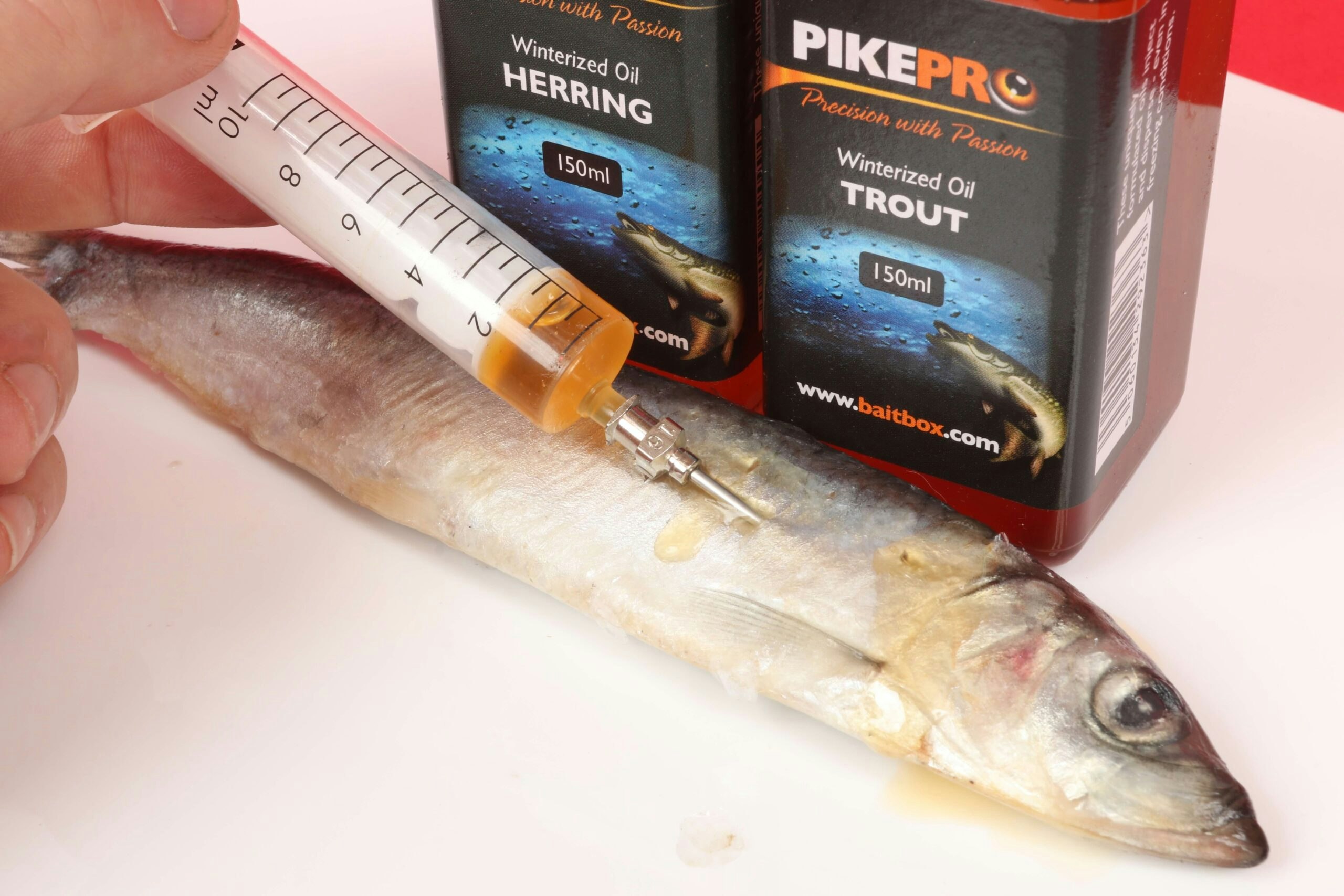
Injecting deadbaits with oil is a great way of increasing attraction
Puncturing is key
As mentioned, deadbaits naturally contain plenty of oils and juices that are excellent for attracting pike, but these can sometimes remain trapped within the bait. By simply using a pair of scissors to make a few small cuts along the bait’s flank, you can help release these natural attractants into the water more quickly, especially in colder temperatures. Cutting the head or tail off achieves the same effect, and is a great way of making two baits out of a larger bait.
This is one of the easiest ways to enhance your deadbait and should be done with every bait you cast out—unless you’re using a buoyant fish like a pollan, as this will cause it to sink.
A WIRE TRACE IS ESSENTIAL WHEN PIKE FISHING, LEARN HOW TO TIE YOUR OWN WIRE TRACE HERE.
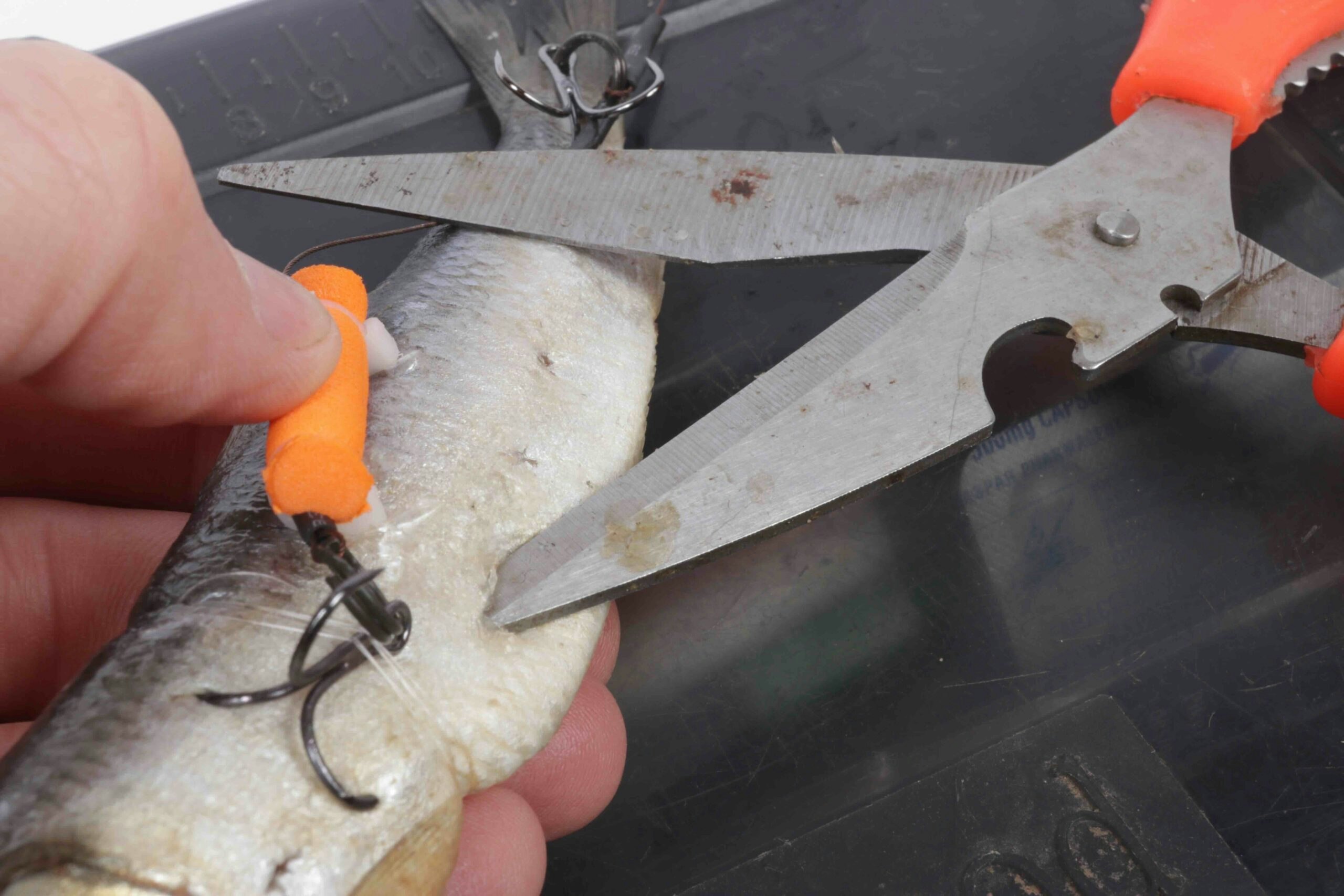
Puncturing your deadbait is so effective
Add some chunks
While feeding for pike is often overlooked, it can help you catch more fish. Chopping up deadbaits into small chunks and adding them to the swim is a perfect way of not only using up old baits, but it is also an effective way to draw pike into the swim. If you plan on doing a few sessions in close proximity, adding some chunks of fish as you leave can prebait the swim ready for your return.
IF YOU WANT TO CATCH A BIG PIKE, IT IS WORTH TRYING ONE OF THESE EXCELLENT VENUES.
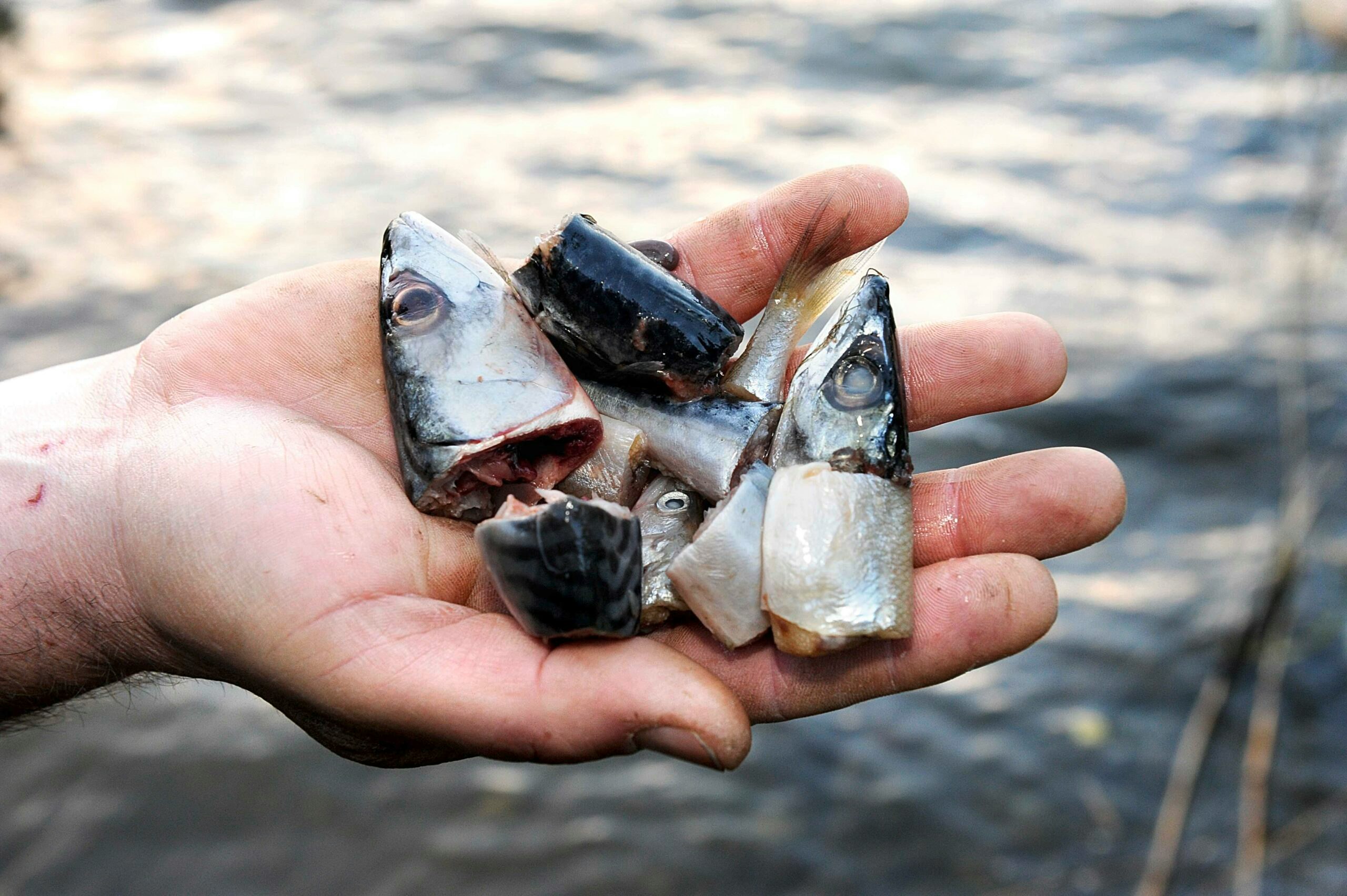
Chopped up bits of fish make a great hookbait
Movement matters
There are days when pike will simply refuse to pick up a static deadbait, particularly close to spawning. A deadbait static on the bottom will no doubt attract predators but at times lacks the stimulus to trigger feeding.
By imparting some movement can more often than not be just the stimuli to force a pike into grabbing the bait. By having a deadbait set up on a small float and light weight that you can consistently twitch the bait back towards you will help you cover more of the swim put also impart that much needed movement that could trigger a take. If two rods are permitted it can be productive to fish one static and the other in this manner to ensure the best chance of a take.
RETRIEVING BAITS TO IMPART SOME MOVEMENT REQUIRES THE BEST PIKE FISHING REELS.
Just so you know, we may receive a commission or other compensation from the links on this website - read why you should trust us